Microcrambus minor
(Forbes, 1920)
Minor Grass-veneer
Microcrambus minor is a grass-veneer in the Crambidae, first described by W. T. M. Forbes in 1920. It is widely distributed across eastern and central North America, with records spanning from Canada to the southern United States. The is currently considered a synonym of Microcrambus immunellus according to Catalogue of Life and GBIF. As a member of the Crambinae, it belongs to a group commonly known as grass-veneers or grass moths, many of which are associated with grassy .
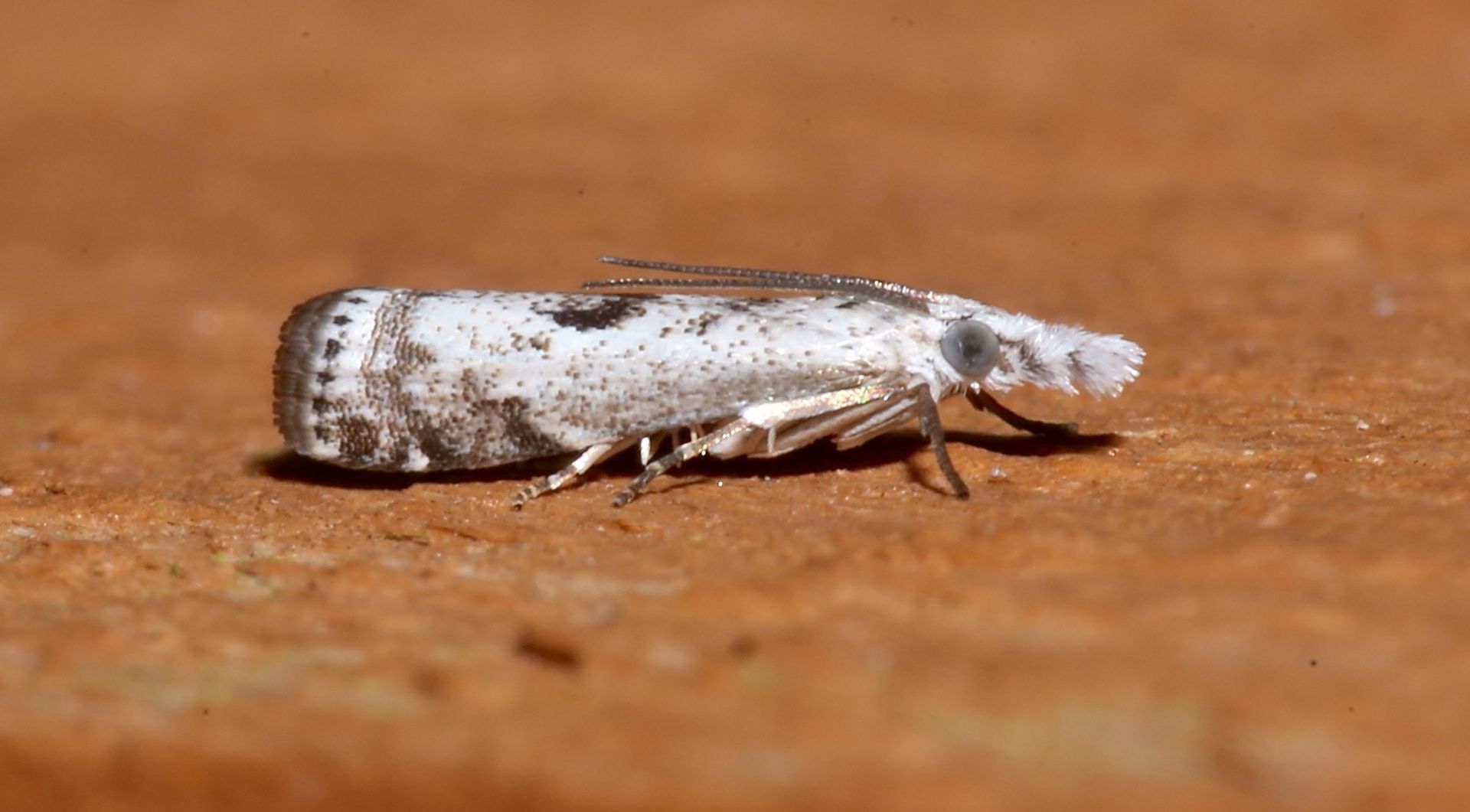
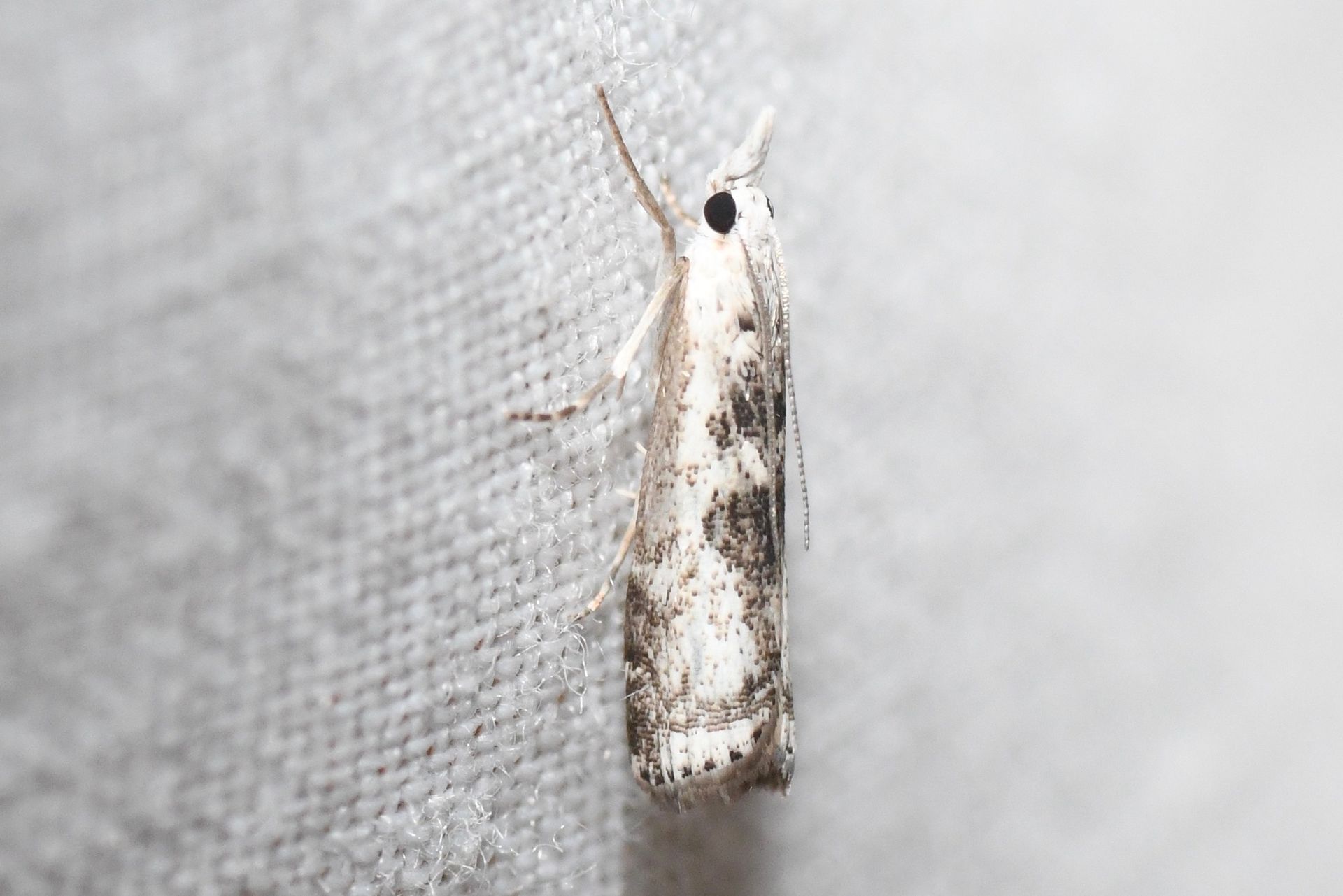
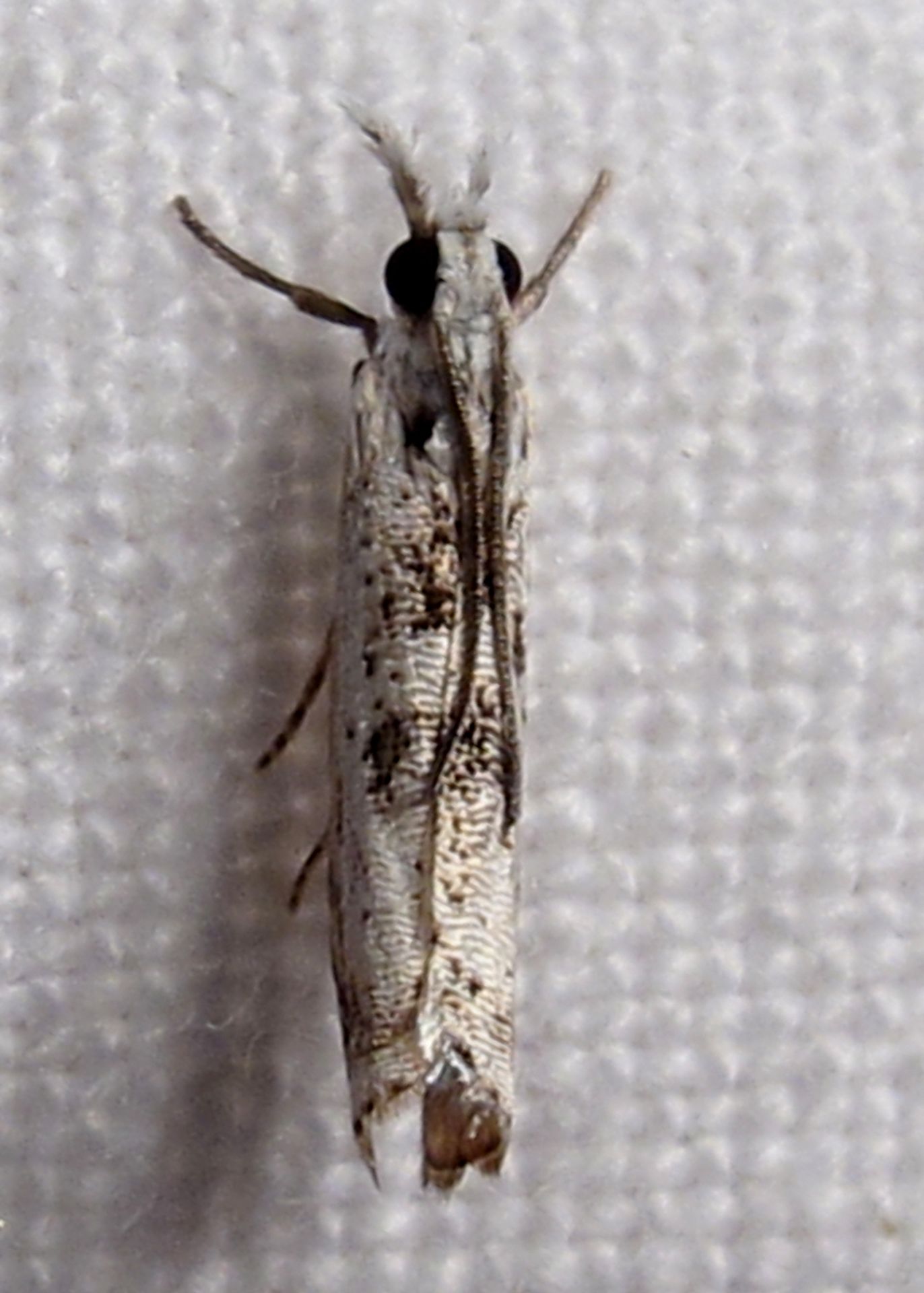
Pronunciation
How to pronounce Microcrambus minor: /ˌmaɪkroʊˈkræmbəs ˈmaɪnɔr/
These audio files are automatically generated. While they are not always 100% accurate, they are a good starting point.
Identification
Microcrambus minor can be distinguished from other Microcrambus by examination of genitalic characters, which are typically required for definitive identification within this . The genus Microcrambus comprises small crambine with relatively narrow wings and slender bodies. of related grass-veneer moths typically exhibit pale ground colors with various degrees of dark streaking or banding on the forewings.
Images
Habitat
Based on the of related Crambinae , Microcrambus minor likely inhabits grasslands, meadows, and other open with abundant grasses. The Crambinae is strongly associated with Poaceae (grass ) as larval plants.
Distribution
Recorded from 21 states and provinces in North America: Alabama, Florida, Illinois, Indiana, Manitoba, Maryland, Massachusetts, Minnesota, Mississippi, New Hampshire, New York, North Carolina, Ohio, Oklahoma, Ontario, Pennsylvania, Quebec, South Carolina, Tennessee, Virginia, West Virginia, and Wisconsin. The distribution spans the eastern United States and adjacent Canadian provinces from the Atlantic seaboard to the Great Plains.
Ecological Role
As a member of the grass-veneer fauna, this likely contributes to nutrient cycling in grassland through larval feeding on grasses and subsequent decomposition. may serve as prey for insectivorous birds, bats, and other .
Human Relevance
The has no documented economic importance. It is not known to be a pest of agricultural crops or turfgrass. Records from iNaturalist indicate it is occasionally encountered and photographed by citizen scientists.
Similar Taxa
- Microcrambus biguttellusSimilar size and wing pattern; requires genitalic dissection for reliable separation
- Microcrambus elegansOverlapping distribution and preferences; distinguished by subtle differences in forewing markings and male genitalia
- Microcrambus immunellusCurrently considered the senior synonym of M. minor according to Catalogue of Life and GBIF; the two names represent the same biological
More Details
Taxonomic Status
Microcrambus minor is currently treated as a synonym of Microcrambus immunellus in major taxonomic databases including Catalogue of Life and GBIF. The original description by Forbes (1920) distinguished it based on minor differences in wing pattern, but subsequent taxonomic revision has consolidated these forms under the senior name M. immunellus.
iNaturalist Observations
The has accumulated over 2,000 research-grade observations on iNaturalist, indicating it is relatively frequently encountered and well-documented by naturalists across its range.
Sources and further reading
- BugGuide
- Wikipedia
- GBIF taxonomy match
- iNaturalist taxon
- NCBI Taxonomy
- Catalogue of Life
- Six new Dracula ants from Madagascar: Minor workers become queens in Mystrium | Blog
- Litaneutria minor – agile ground mantid | Beetles In The Bush
- Bug Eric: Priocnemis minorata
- New ant species explodes to defend its colony | Blog
- Platystomatidae | Beetles In The Bush
- Bug Eric: February 2010