
Argyractini
Grote, 1880
Genus Guides
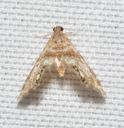
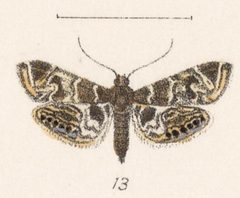
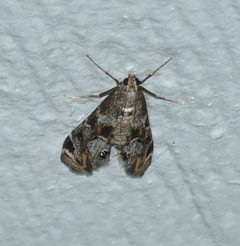
6Argyractini is a tribe of aquatic within the Acentropinae (Crambidae). The tribe includes several of small to medium-sized moths whose larvae are adapted to life in freshwater . are generally and are attracted to light. The group is primarily distributed in the New World, with most occurring in the Neotropical region.
Pronunciation
How to pronounce Argyractini: //ˌɑːr.dʒɪˈræk.tɪ.naɪ//
These audio files are automatically generated. While they are not always 100% accurate, they are a good starting point.
Identification
Members of Argyractini can be distinguished from other Acentropinae by genitalic characters, particularly in the male valvae and female ostium bursae. Wing patterns often include silvery or iridescent scaling, reflected in the etymology of the type Argyractis (from Greek argyros, silver). The tribe lacks the pronounced palpal projections found in some related Acentropine groups. Accurate identification to genus or usually requires dissection and examination of genitalia.
Images
Habitat
Larvae are aquatic or semi-aquatic, inhabiting streams, rivers, and other freshwater bodies. They are typically found in flowing water environments rather than stagnant pools. are found in riparian zones and nearby terrestrial vegetation.
Distribution
Primarily Neotropical, with records from Central and South America. Some extend into the southern Nearctic region. The tribe is absent from the Old World.
Diet
Larvae feed on , diatoms, and other periphyton growing on submerged rocks and vegetation in streams. Specific plant relationships for feeding, if any, are poorly documented.
Life Cycle
are laid on or near water. Larvae are fully aquatic, with tracheal gills for respiration. occurs in silk cases attached to submerged substrates. emerge and are active above the water surface.
Behavior
Larvae construct silk retreats on submerged surfaces. are and exhibit positive . Mating and oviposition occur near larval .
Ecological Role
Larvae function as primary consumers in stream , grazing on periphyton. They serve as prey for aquatic and fish. The tribe contributes to nutrient cycling in headwater stream systems.
Human Relevance
No significant economic importance. Occasionally collected by researchers studying aquatic insect diversity. Not known to be pests of crops or stored products.
Similar Taxa
- AcentropiniAnother tribe in Acentropinae; distinguished by differences in male genitalia structure and larval preferences, with Acentropini often favoring lentic (still water) environments
- NymphuliniOverlaps in aquatic habit; Nymphulini is primarily Old World in distribution and differs in wing venation and genitalic
More Details
Taxonomic History
The tribe was established by Grote in 1880 based on the Argyractis. Modern molecular phylogenetic studies support its placement within Acentropinae, though relationships among acentropine tribes remain under investigation.
Aquatic Adaptations
Larvae possess filamentous gills and hydrofuge hairs that facilitate underwater respiration and movement. These adaptations are convergent with other aquatic Lepidoptera lineages.