
Megisto
Hübner, 1819
Species Guides
2- Megisto cymela(Little Wood Satyr)
- Megisto rubricata(Little Wood Satyr)
Megisto is a of brush-footed butterflies in the Satyrinae. in this genus are commonly known as wood satyrs. The genus includes at least three recognized species distributed across North America, with the little wood satyr (Megisto cymela) being the most widespread and frequently encountered.
Pronunciation
How to pronounce Megisto: //məˈɡɪstoʊ//
These audio files are automatically generated. While they are not always 100% accurate, they are a good starting point.
Identification
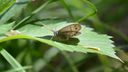
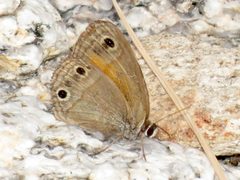
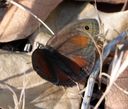
Megisto are medium-sized satyrine butterflies with rounded wings and reduced forelegs characteristic of Nymphalidae. They possess eyespots on the wing undersides, a trait common in Satyrinae but with species-specific arrangements. The little wood satyr (M. cymela) has two eyespots on each forewing underside, while the red satyr (M. rubricata) displays more prominent reddish-brown coloration and is restricted to the southwestern United States and Mexico.
Images
Habitat
in this inhabit woodland edges, forest openings, and grassy areas near trees. Megisto cymela occurs in deciduous and mixed woodlands, forest clearings, and shaded meadows. Megisto rubricata occupies more arid environments including oak-juniper woodlands and grasslands in the southwestern United States and Mexico.
Distribution
The occurs in North America. Megisto cymela ranges across eastern and central North America from southern Canada to the Gulf Coast. Megisto rubricata is restricted to the southwestern United States (New Mexico, Oklahoma), Mexico, and Guatemala. Megisto cymela viola, a , has a more limited distribution in the southeastern United States.
Seasonality
are active during late spring and summer. Megisto cymela flies from May through July in northern portions of its range, with extended periods in the south. Multiple may occur in warmer regions.
Host Associations
- grasses - larval Larvae feed on various grass (Poaceae), though specific records for individual Megisto species are limited
Behavior
have a weak, bobbing pattern and frequently rest on vegetation with wings closed, displaying the eyespotted undersides. They are often found in shaded conditions rather than open sun. Males patrol territories in forest clearings and along trails.
Human Relevance
The little wood satyr is a familiar to naturalists in eastern North America and serves as an for intact woodland . The has no significant agricultural or economic impact.
Similar Taxa
- CercyonisAlso contains wood satyr with similar preferences and ; Megisto species generally have fewer and smaller eyespots on wing undersides
- NeonymphaSmall satyrine butterflies with overlapping distributions; Neonympha typically have more numerous eyespots and different wing shape
More Details
Taxonomic Status
Megisto is currently treated as a synonym of Euptychia by some sources including GBIF and Catalogue of Life, though it remains in use by NCBI and iNaturalist. The -level distinction is maintained in North American faunal treatments.
Species Composition
The contains at least three : Megisto cymela (little wood satyr), Megisto cymela viola (Viola's wood satyr, a ), and Megisto rubricata (red satyr). The taxonomic status of M. cymela viola varies among sources.