
Cercyonis
Scudder, 1875
wood-nymphs, wood nymphs
Species Guides
4- Cercyonis meadii(Mead's Wood-Nymph)
- Cercyonis oetus(Small Wood-Nymph)
- Cercyonis pegala(Common Wood-Nymph)
- Cercyonis sthenele(Great Basin wood-nymph)
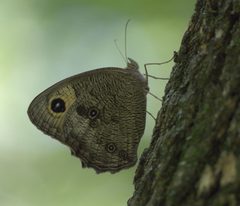
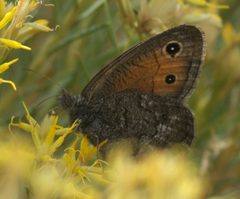
Cercyonis is a of satyrine butterflies in the Nymphalidae, distributed across North America. The genus comprises at least four recognized , including the widespread common wood-nymph (C. pegala) and the regionally restricted Mead's wood-nymph (C. meadii). A newly described species, the Bald Hills Satyr (C. incognita), was discovered in the High North Coast Range of California and may be at risk due to loss from wildfires. Members of this genus are commonly referred to as wood-nymphs or wood nymphs.

Pronunciation
How to pronounce Cercyonis: /sɛrˈsɪoʊnɪs/
These audio files are automatically generated. While they are not always 100% accurate, they are a good starting point.
Identification
within Cercyonis can be distinguished by wing pattern details, coloration, and geographic distribution. Cercyonis pegala is the largest and most widespread species. Cercyonis meadii is characterized by red eyes. Cercyonis sthenele occurs in the Great Basin region. Cercyonis oetus is smaller and darker than C. pegala. The recently described C. incognita was distinguished from by morphological and presumably genetic differences, though specific diagnostic characters are not detailed in available sources.
Images
Habitat
vary by but generally include open woodlands, meadows, and grassy areas. Cercyonis incognita was documented from mid-elevation sites on Goat Mountain in the Mendocino National Forest, within successional montane chaparral and associated plant .
Distribution
North America. Documented from the United States including Vermont and across western and central regions. -specific ranges include: C. pegala (widespread), C. meadii (restricted, possibly Ozark and Appalachian regions), C. sthenele (Great Basin), C. oetus (western North America), and C. incognita (High North Coast Range, California).
Seasonality
periods vary by and latitude. Cercyonis pegala flies from mid-summer into early autumn in most of its range. Specific seasonality for other North American species is not well documented in available sources.
Human Relevance
The includes of interest to enthusiasts and researchers. Cercyonis incognita became a focal point for conservation concern following the 2020 California wildfires, which may have destroyed all known . The genus has been studied by lepidopterists including Art Shapiro, who documented butterfly faunas in the Mendocino region since 1974.
Similar Taxa
- HyponepheleHistorical taxonomic confusion; some authorities have placed related meadow brown in Hyponephele rather than Cercyonis, and the classification of Old World "Cercyonis" species remains unsettled
- OeneisBoth are satyrine with brown coloration and eyespots; Oeneis (arctics) are generally more northern and associated with colder
Sources and further reading
- BugGuide
- Wikipedia
- GBIF taxonomy match
- iNaturalist taxon
- NCBI Taxonomy
- Catalogue of Life
- Rising from the Ashes--Some Day | Bug Squad
- The genome sequence of the Oriental Meadow Brown, Cercyonis lupina (Lepidoptera: Nymphalidae).
- The genome sequence of the Dusky Meadow Brown, Cercyonis lycaon (Lepidoptera: Nymphalidae).