Plusia contexta
Grote, 1873
Connected Looper Moth, connected looper
Plusia contexta, the connected looper , is a of looper moth in the Noctuidae. The species is found in eastern and central North America, where are active during warmer months. The refers to the looping locomotion of the larva, which possesses fewer than typical caterpillars. The species inhabits meadows and agricultural fields.
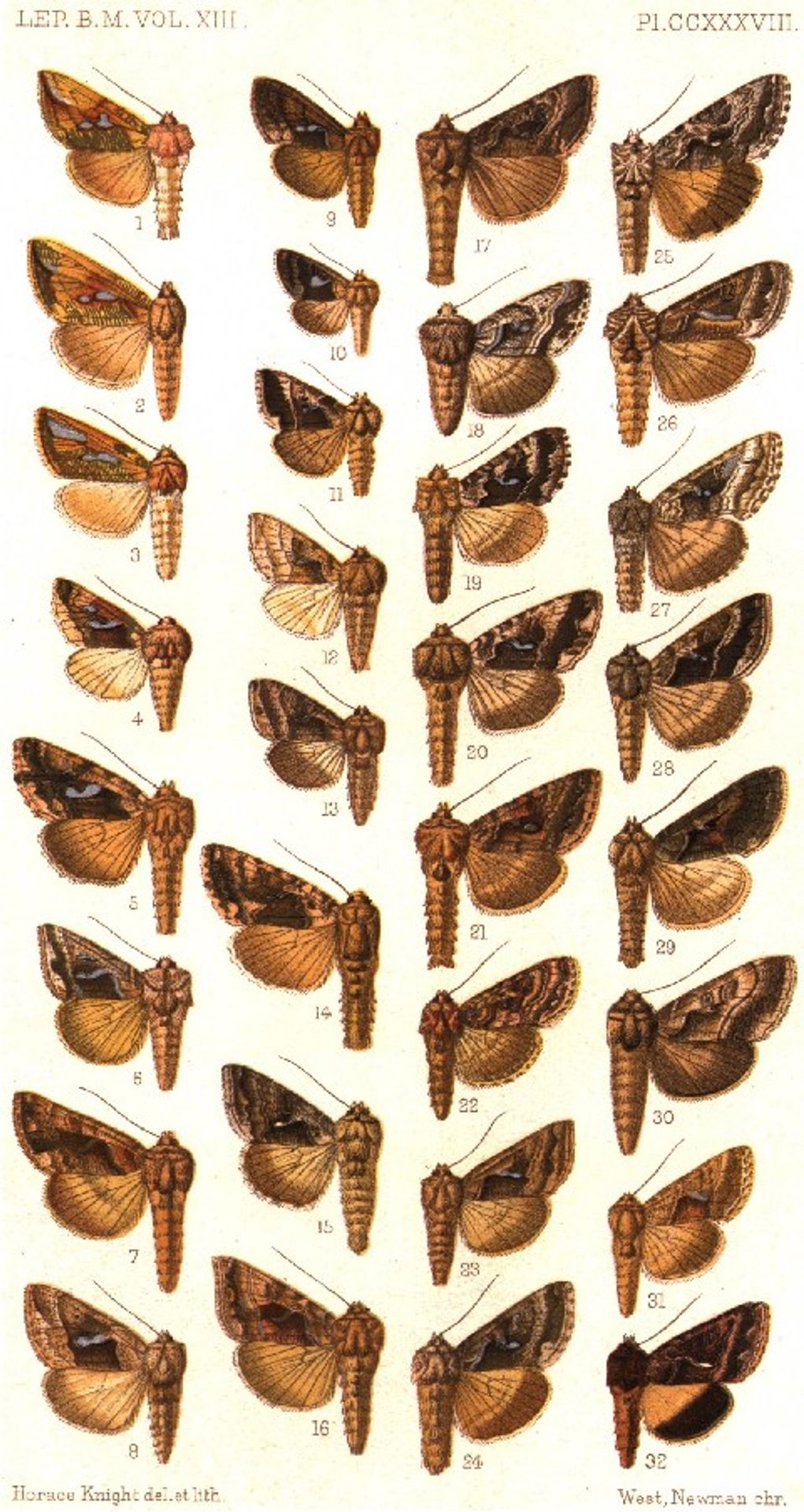
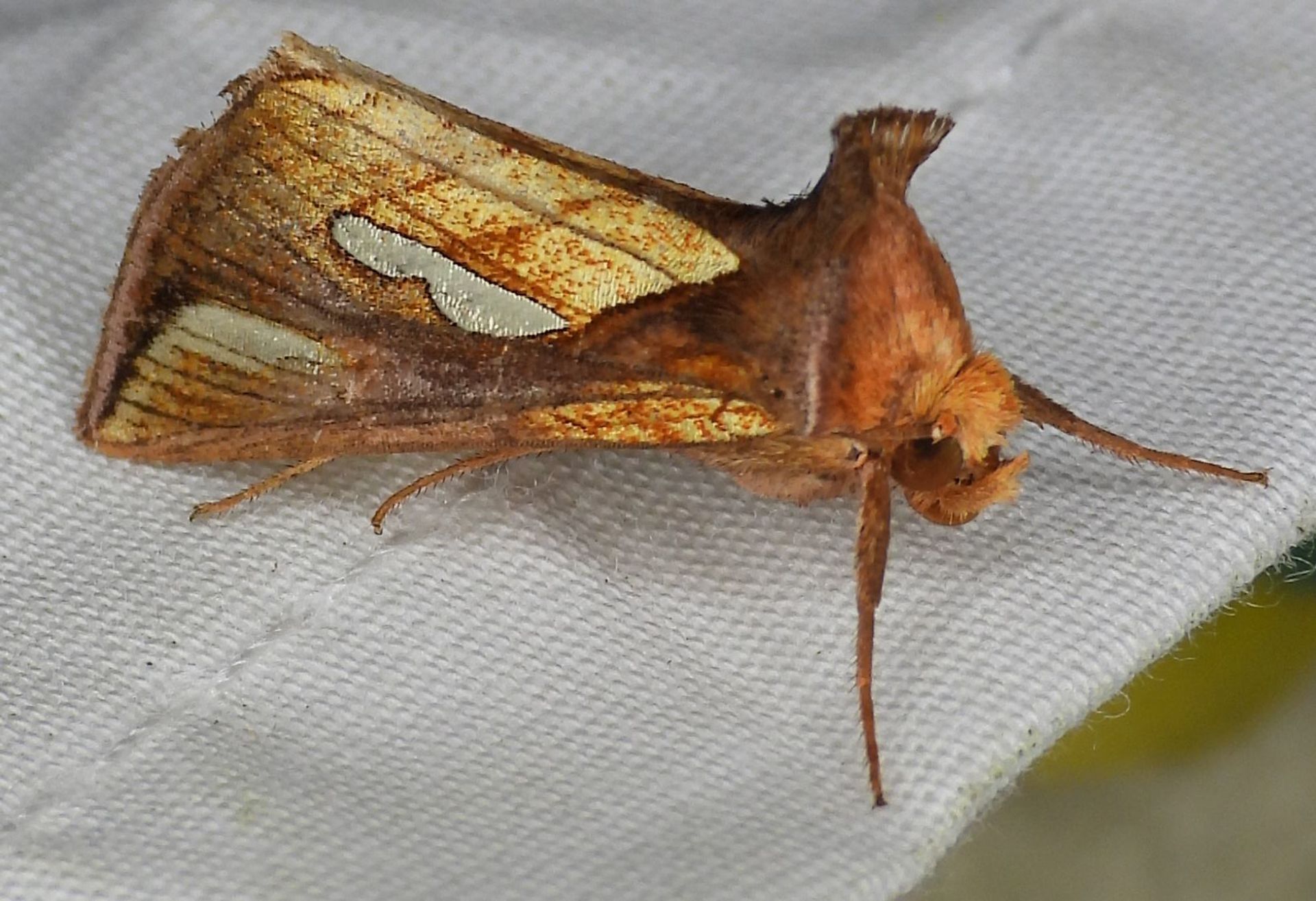
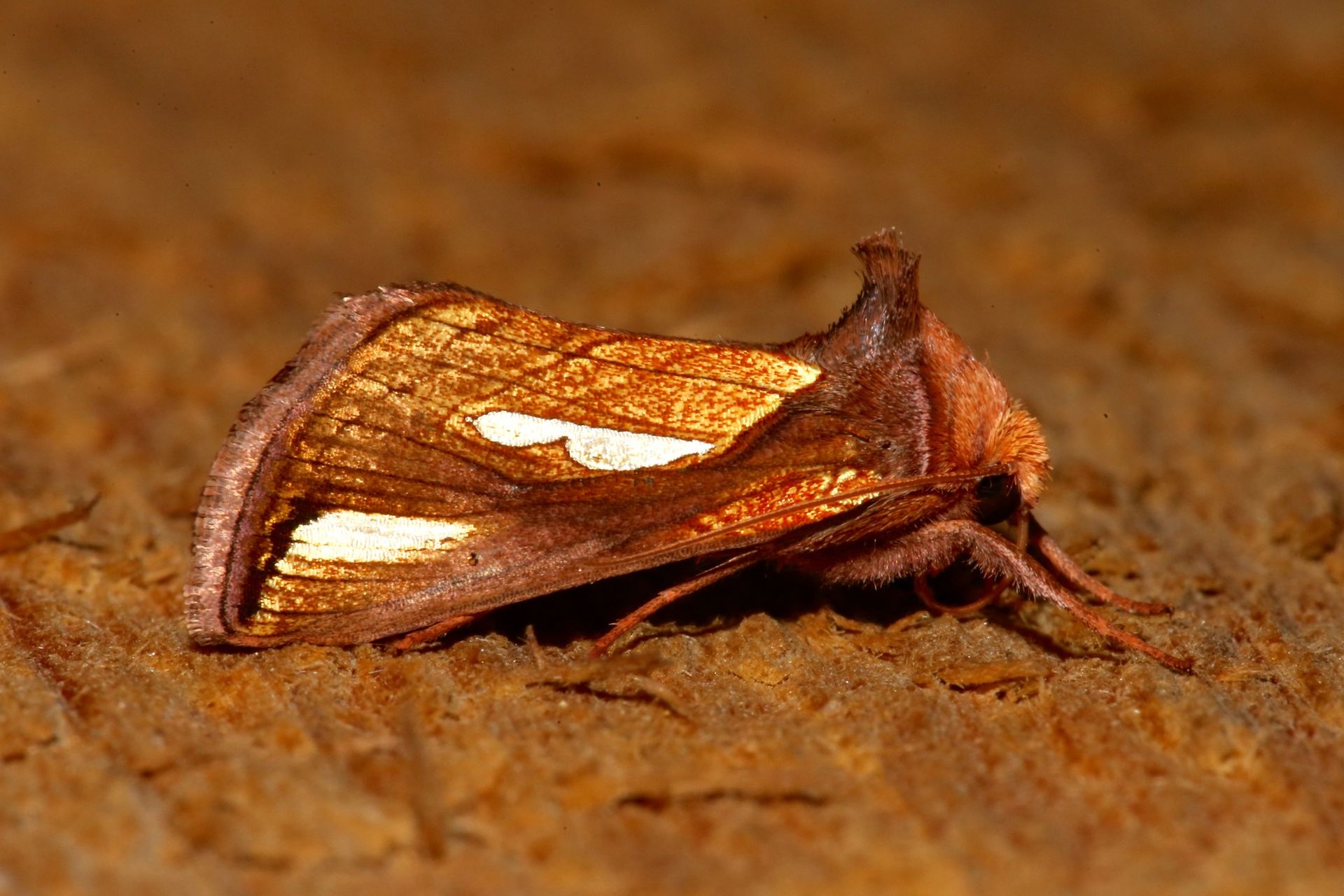
Pronunciation
How to pronounce Plusia contexta: /ˈpluːsiə kənˈtɛkstə/
These audio files are automatically generated. While they are not always 100% accurate, they are a good starting point.
Identification
Larvae can be distinguished from other loopers by the combination of grass green coloration, narrow whitish and lines, and a broad yellowish lateral stripe. The belongs to the Plusiinae, whose larvae typically have three or fewer pairs of (versus five or more in most other Noctuidae), resulting in the characteristic looping gait. may be distinguished from similar Plusia species by genitalia examination; the MONA/Hodges number 8952 provides a standardized reference for North American records.
Images
Habitat
Meadows and fields. The occupies open herbaceous including agricultural areas.
Distribution
Eastern and central North America.
Seasonality
activity period not explicitly documented; inferred to follow typical temperate patterns with activity during warmer months.
Life Cycle
Complete with , larva, pupa, and stages. Larval stage described; other stages not detailed in available sources.
Behavior
Larvae exhibit looping locomotion due to reduced number, arching the body to bring prolegs forward to meet the thoracic legs.
Human Relevance
The has been documented in agricultural field settings, though specific economic impact is not reported. The standardized MONA/Hodges number (8952) facilitates identification in North American faunal surveys.
Similar Taxa
- Chrysodeixis includens (soybean looper)Also a plusiine looper with reduced ; distinguished by larval color pattern and geographic distribution (more southerly, with economic pest status on soybean).
- Trichoplusia ni (cabbage looper)Another common Plusiinae with looping larvae; distinguished by preferences and subtle differences in larval markings and .
- Autographa californica (alfalfa looper)Similar looping habit and membership; distinguished by larval leg characters and associations.
More Details
Taxonomic Authority
First described by Augustus Radcliffe Grote in 1873.
Faunal Reference
Assigned MONA ( Photographers Group/North American Moth Photographers Group) or Hodges number 8952, a standardized numbering system for North American Lepidoptera.