Xestia smithii
Snellen, 1896
Smith's Dart
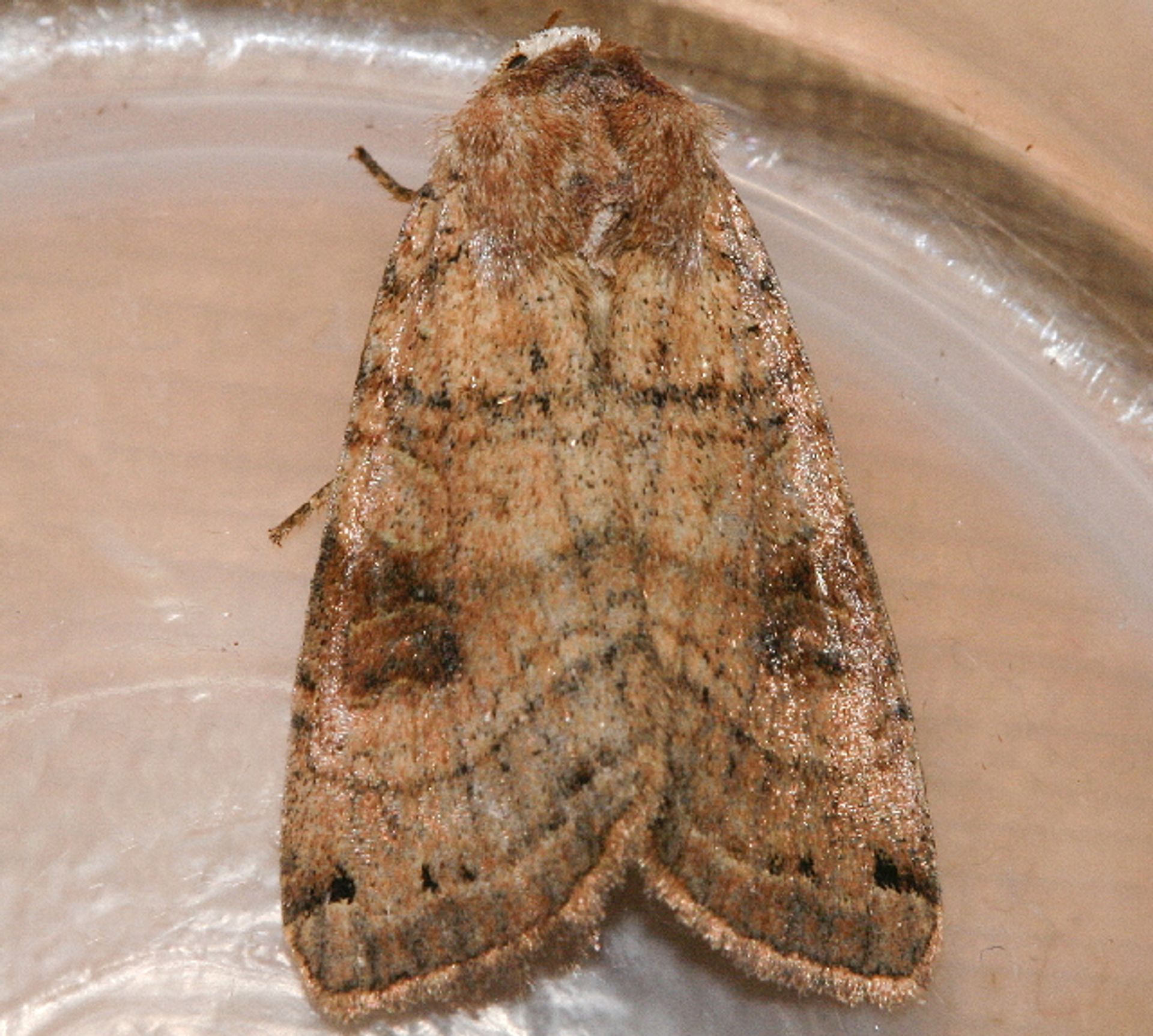
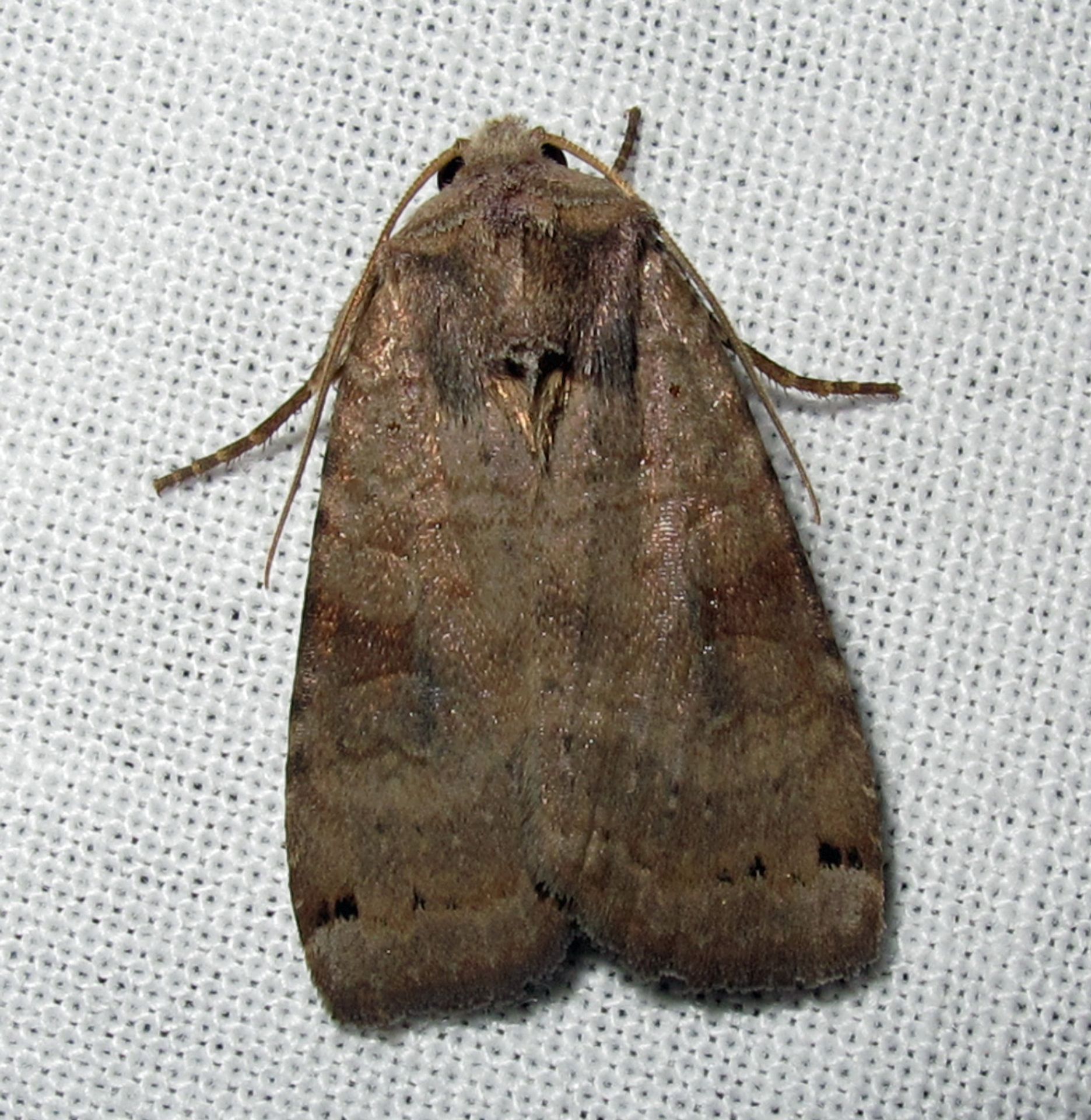
Xestia smithii, commonly known as Smith's Dart, is a noctuid first described by Snellen in 1896. It is widely distributed across northern North America, from Newfoundland to Alaska, with disjunct in the eastern United States and western mountain ranges. The inhabits and montane forest environments.

Pronunciation
How to pronounce Xestia smithii: //ˈzɛs.ti.ə ˈsmɪ.θi.aɪ//
These audio files are automatically generated. While they are not always 100% accurate, they are a good starting point.
Identification
Hodges number 10944. Specific diagnostic characters for distinguishing Xestia smithii from are not documented in available sources. The is part of the diverse Xestia , which contains many similar-appearing dart moths requiring detailed genitalia examination or molecular analysis for definitive identification.
Images
Habitat
forests and montane woodlands. Eastern occur in Appalachian forest from Maine to North Carolina. Western populations are found in the Black Hills of South Dakota and Wyoming, and throughout the Rocky Mountains.
Distribution
Northern North America: Newfoundland to Alaska. Eastern United States: Maine south to Virginia, continuing along the Appalachians to North Carolina. Western United States: Black Hills (western South Dakota, northeastern Wyoming), Rocky Mountains. Canadian records include Alberta, Manitoba, and Saskatchewan.
Similar Taxa
- Xestia c-nigrumSimilar format (spotted cutworm/dart moth) and overlapping Noctuinae placement, though X. c-nigrum is a with different distribution and
- Other Xestia speciesNumerous share similar forewing patterns and body form; reliable separation often requires examination of male genitalia or specialized reference collections
More Details
Sources and further reading
- BugGuide
- Wikipedia
- GBIF taxonomy match
- iNaturalist taxon
- NCBI Taxonomy
- Catalogue of Life
- Grasshoppers of Colorado
- Grasshoppers of Colorado
- Bembicid Holdings | Entomology Research Museum
- Grasshopper Collections and Survey
- When Mosquitoes Go to Bed for Winter, and How It Can Inform Management
- Bug Eric: Wasp Wednesday: Ammophila pictipennis