Euxoa rufula
Smith, 1888
Mountain Dart
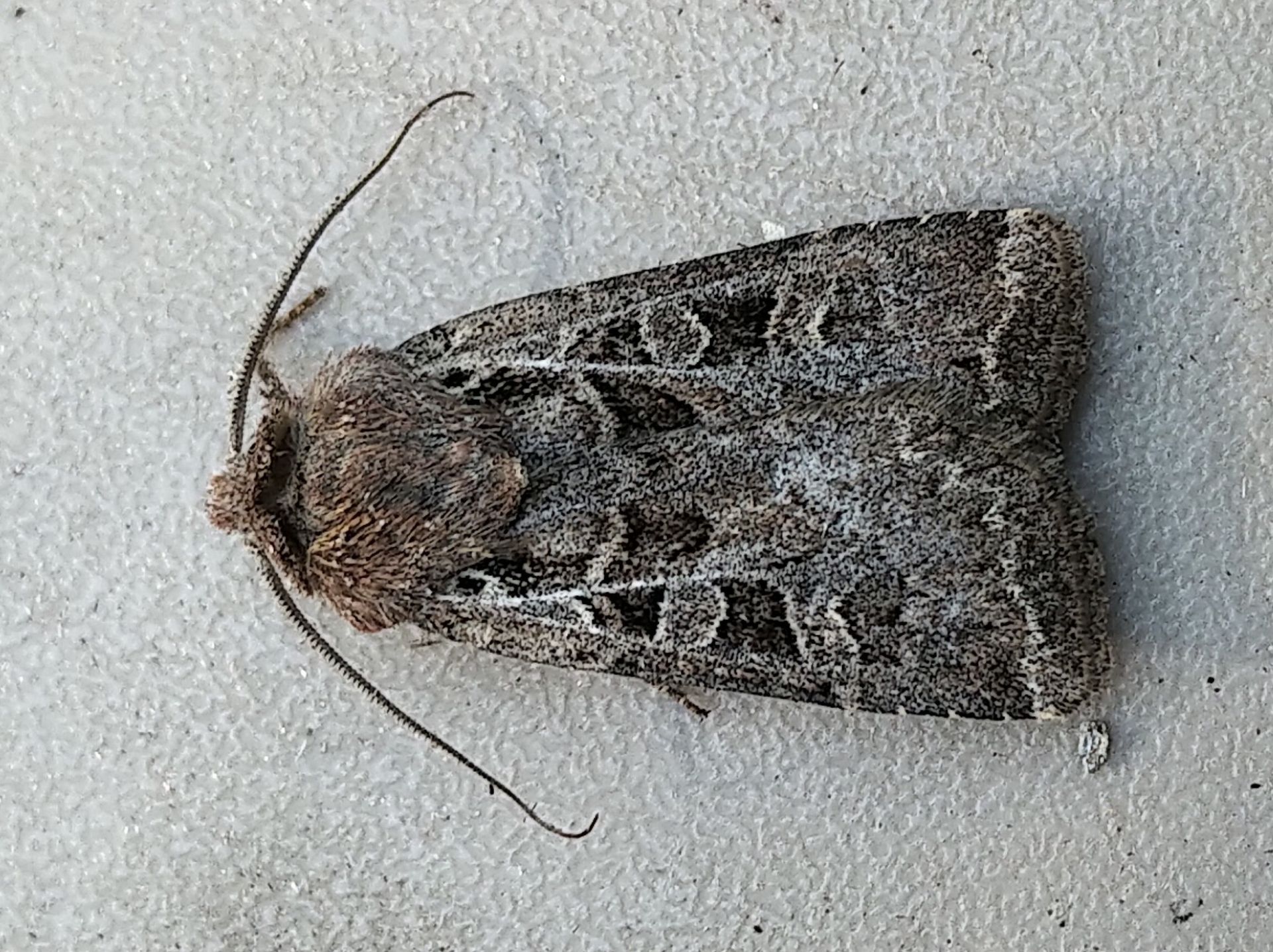
Euxoa rufula, commonly known as the Mountain Dart, is a of owlet moth in the Noctuidae. It is a member of the large Euxoa, which includes numerous species. The species is found in North America, though specific details about its and are limited in available literature. Like other Euxoa species, it likely has a typical of noctuid , with larvae that may feed on herbaceous plants.
Pronunciation
How to pronounce Euxoa rufula: /juˈksoʊə ˈruːfjʊlə/
These audio files are automatically generated. While they are not always 100% accurate, they are a good starting point.
Identification
Euxoa rufula can be distinguished from similar Euxoa by genitalia examination, as is standard for this . The species name 'rufula' indicates reddish coloration that may help separate it from . Accurate identification typically requires reference to specialized taxonomic keys for North American Noctuidae.
Images
Distribution
North America. The specific epithet and 'Mountain Dart' suggest association with montane or mountainous regions, though precise range details are not documented in available sources.
Similar Taxa
- Euxoa auxiliaris (Army Cutworm)Both are Euxoa with similar general , but E. auxiliaris is a well-known agricultural pest with documented migratory and alpine , while E. rufula appears to be a less studied species with likely different preferences.
- Euxoa mimallonis (Ruddy-winged Dart)Similar structure and membership, but E. mimallonis has documented occurrence in Colorado and distinct wing patterns; E. rufula is distinguished by its specific epithet suggesting reddish coloration.
More Details
Taxonomic Note
Euxoa rufula is one of approximately 150 in the Euxoa, a large and taxonomically challenging group of noctuid . Many Euxoa species are difficult to distinguish without examination of genitalia or molecular analysis.
Data Availability
Available sources provide minimal -specific information for E. rufula. Most detailed biological information in the provided sources pertains to the E. auxiliaris (), a major agricultural pest. The 16 iNaturalist observations suggest E. rufula is encountered less frequently than more common Euxoa species.
Sources and further reading
- BugGuide
- GBIF taxonomy match
- iNaturalist taxon
- NCBI Taxonomy
- Catalogue of Life
- Aboveground Pests - AgriLife Extension Entomology
- Stem- and Leaf- Feeding Insects - AgriLife Extension Entomology
- Bug Eric: Winter 'pillars
- How Army Cutworm Moths Bounce Between Midwest Heat and Alpine Cool
- Bug Eric: My Kind of Fourth of July
- Bug Eric: July 2019