
Leucaniini
Guenée, 1837
Wainscot Moths
Genus Guides
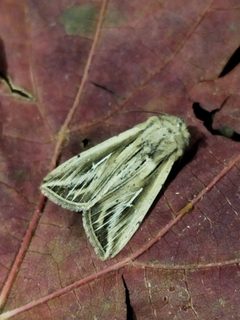
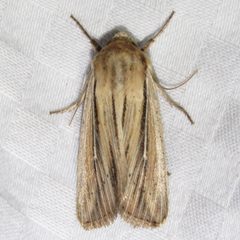
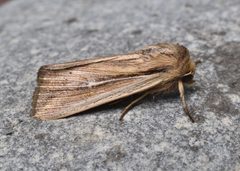
2Leucaniini is a tribe of noctuid within the Noctuinae, commonly known as wainscot moths. The tribe contains at least 40 described distributed across multiple including Leucania, Mythimna, and Tiracola. Members are and frequently collected using light traps. Some species, particularly within Tiracola, are agricultural pests with documented economic impact.
Pronunciation
How to pronounce Leucaniini: /luːˈkænɪˌaɪnaɪ/
These audio files are automatically generated. While they are not always 100% accurate, they are a good starting point.
Identification
Leucaniini can be distinguished from related noctuine tribes through examination of wing pattern and genitalia structure. Female genitalia diagnostic features include: robust ovipositor with long narrow gonapophyses; broad, tapering, evenly sclerotized ostium bursae; elongated tube-shaped ductus bursae with longitudinal ribs; and broad, short appendix bursae with longitudinal ribs on the part. Species-level identification requires dissection and microscopic examination of genitalia.
Images
Habitat
Occurs across diverse elevations from 50m to 2215m, including mountainous regions, agricultural areas, and riparian zones near dam sites. Specimens have been collected in natural and anthropogenically modified .
Distribution
Documented from Iran (Fars, Ilam, Kerman, and Khuzestan provinces), with Leucania herrichii recorded for the first time in that country. Global distribution includes regions where constituent occur; specific range limits require further documentation.
Life Cycle
stages (, larvae, pupae) have been described morphologically for at least some (e.g., Tiracola plagiata and T. aureata). Detailed developmental timing and stage duration not documented in available sources.
Behavior
; are attracted to UV light traps.
Ecological Role
Larvae of certain within the tribe cause significant economic damage annually. Includes recognized pest species such as Leucania loreyi and Tiracola plagiata (banana fruit caterpillar).
Human Relevance
Contains agricultural pest of economic importance. Tiracola plagiata, the banana fruit caterpillar, damages banana crops. Leucania loreyi is a documented pest species. Light trapping is used for monitoring and collection.
Similar Taxa
- Other Noctuini tribesLeucaniini is distinguished within Noctuinae by genitalia , particularly female structures including the shape of the ostium bursae and ductus bursae with longitudinal ribbing.
More Details
Taxonomic Composition
Includes at least three documented : Leucania Ochsenheimer, 1816; Mythimna Ochsenheimer, 1816; and Senta Stephens, 1834. Tiracola is also placed in this tribe based on recent literature.
Research Gaps
Biological information beyond distribution records and morphological descriptions remains limited for most . Specific plant associations, detailed timing, and larval are poorly documented across the tribe.
Sources and further reading
- BugGuide
- Wikipedia
- iNaturalist taxon
- Catalogue of Life
- First record of Leucania herrichii Herrich-Schäffer from Iran with new distribution data of Leucaniini (Lep., Noctuidae)
- Morphological study on the immature stages of the Banana fruit caterpillar, Tiracola plagiata (Walker, 1857) and its close relative, Tiracola aureata Holloway, 1989 (Noctuidae: Noctuinae: Leucaniini) with their host plant information