
Xanthopastis
Hübner, 1821
Spanish moth
Species Guides
1- Xanthopastis regnatrix(Spanish moth)
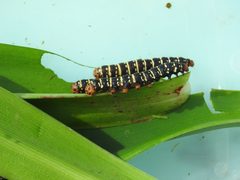
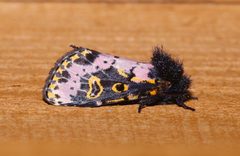
Xanthopastis is a of in the Noctuidae, established by Hübner in 1821. The genus contains at least three described , including Xanthopastis timais, commonly known as the Spanish moth. Members of this genus are notable for their association with ornamental plants and their role as for flies. The Spanish moth has been documented as a pest of amaryllis .
Pronunciation
How to pronounce Xanthopastis: //zænˈθoʊˌpæstɪs//
These audio files are automatically generated. While they are not always 100% accurate, they are a good starting point.
Images
Diet
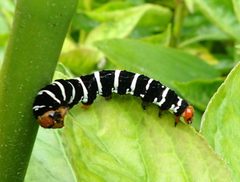
Caterpillars of Xanthopastis timais feed on the leaves and bulbs of amaryllis (Amaryllidaceae). Specific diet information for other in the is not documented.
Host Associations
- amaryllis - food plantXanthopastis timais caterpillars feed on leaves and bulbs
Ecological Role
Xanthopastis timais serves as a for the tachinid fly Lespesia melloi, a that deposits into or on caterpillars. The fly larvae consume the caterpillar host upon hatching.
Human Relevance
Xanthopastis timais is considered a pest of amaryllis . The 's caterpillars damage leaves and bulbs, limiting commercial production of this ornamental plant in regions where pressure from the moth is high. The fly Lespesia melloi has been identified as a potential agent.
More Details
Parasitoid Research
The Xanthopastis timais was the subject of a 2013 study describing the new tachinid species Lespesia melloi (Diptera: Tachinidae) from Brazil, which parasitizes this .
Taxonomic History
The was established by Jacob Hübner in 1821 and currently contains three recognized : Xanthopastis moctezuma (Dyar, 1913), Xanthopastis regnatrix (Grote, 1863), and Xanthopastis timais (Cramer, [1780]).