Xanthopastis regnatrix
Grote, 1863
Spanish moth, convict caterpillar
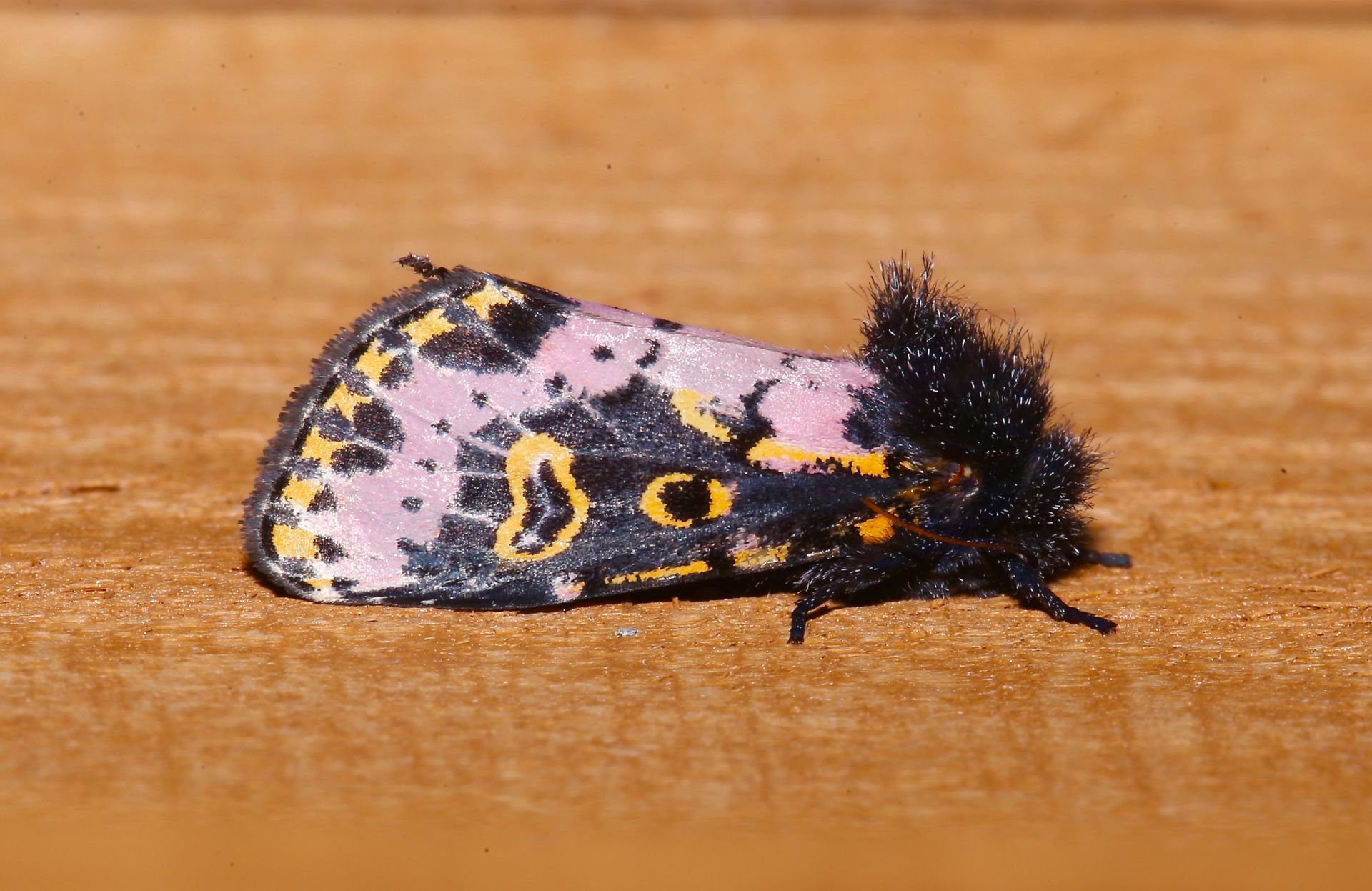
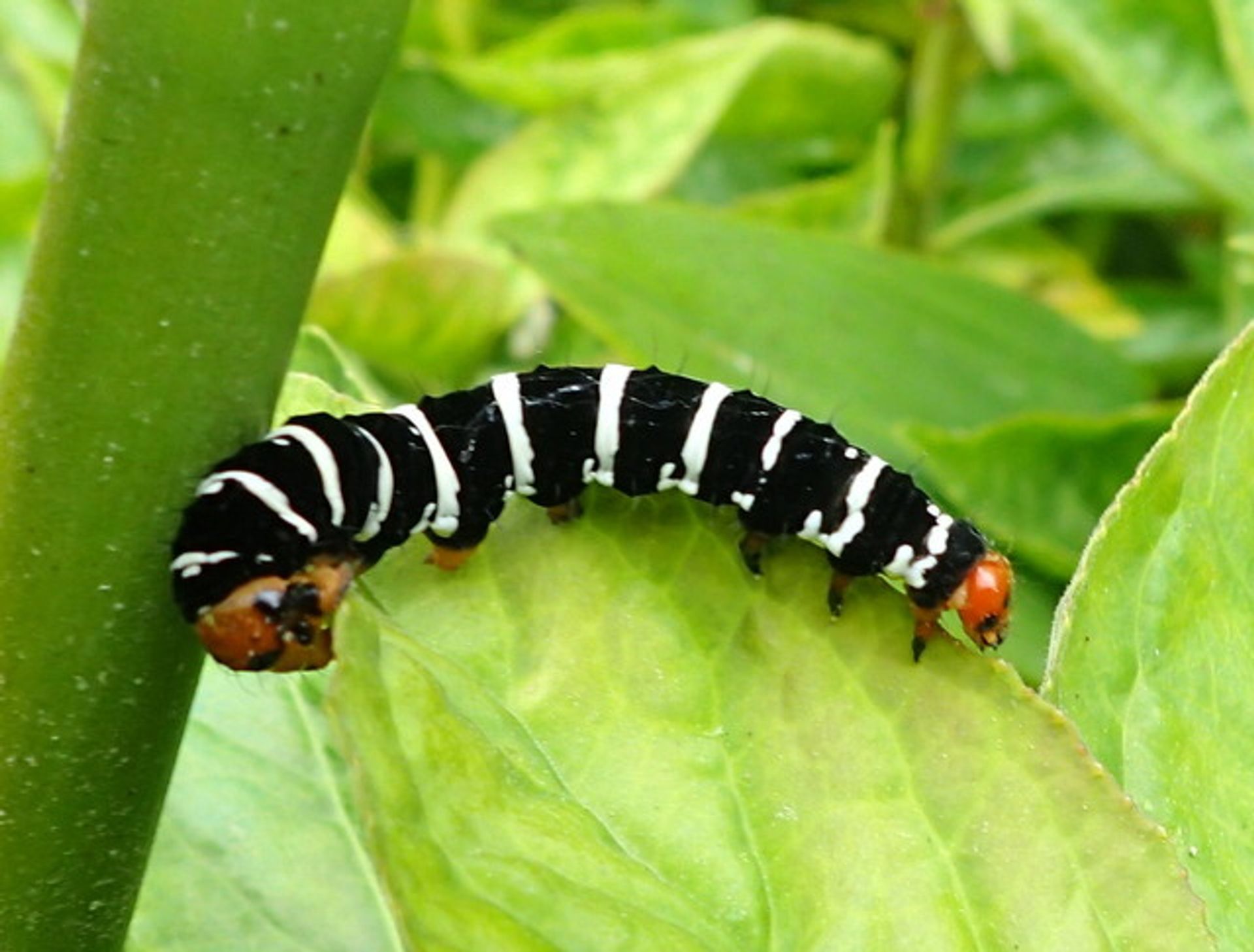
Xanthopastis regnatrix, commonly known as the Spanish moth or convict caterpillar, is a noctuid native to the southeastern United States. The was previously grouped under Xanthopastis timais, now recognized as a , with X. regnatrix applying specifically to in the eastern United States. Its caterpillars are known pests of amaryllis and related ornamental plants. The species has been recorded as far north as coastal New York and Kentucky, though these represent strays outside its core range.
Pronunciation
How to pronounce Xanthopastis regnatrix: //zænˈθoʊˌpæstɪs rɛɡˈneɪtrɪks//
These audio files are automatically generated. While they are not always 100% accurate, they are a good starting point.
Identification
The can be distinguished from western now assigned to other species in the Xanthopastis timais complex. The "convict caterpillar" refers to the larval coloration pattern. are noctuid with typical characteristics; specific diagnostic features for separating X. regnatrix from related species require examination of genitalia or molecular analysis.
Images
Habitat
Found in subtropical and warm temperate regions of the southeastern United States. Associated with cultivated and wild amaryllidaceous plants.
Distribution
Native range extends from North Carolina and South Carolina west to Texas and south to Florida. Stray individuals have been recorded as far north as coastal New York and inland to Kentucky and Arkansas.
Diet
Caterpillars feed on leaves and bulbs of amaryllis (Amaryllidaceae).
Host Associations
- Amaryllis - larval food plantcultivated ornamental; caterpillars feed on leaves and bulbs
Life Cycle
Complete with , larval, pupal, and stages. Larvae are known as convict caterpillars. Specific details of sites and number of per year are not documented in available sources.
Ecological Role
Larval stage functions as a herbivore on amaryllidaceous plants. Serves as for flies in the Tachinidae, including Lespesia melloi in Brazil (where related Xanthopastis occur).
Human Relevance
Considered a pest of amaryllis . Caterpillar feeding damage to leaves and bulbs reduces ornamental value. The has been proposed as a potential target for using tachinid .
Similar Taxa
- Xanthopastis timaisPreviously considered ; now recognized as a separate in the western part of the range (). Eastern U.S. are X. regnatrix.
More Details
Taxonomic history
Originally described as Philochrysa regnatrix by Grote in 1863. Long treated as Xanthopastis timais (Cramer, 1780) until recognition that X. timais represents a . The name X. regnatrix was reinstated for eastern U.S. with type locality Pennsylvania.
Biological control potential
The tachinid fly Lespesia melloi, described from Brazil in 2015, parasitizes related Xanthopastis . This has prompted interest in evaluating similar for control of X. regnatrix in the United States.