
Chytonix sensilis
Grote, 1881
barrens chytonix
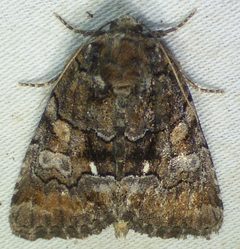
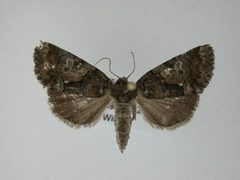
Chytonix sensilis, commonly known as the barrens chytonix, is a small noctuid native to eastern North America. First described in 1881, it is listed as endangered in Connecticut. The is notable for its specialized larval diet of fungi growing on leaf litter and dead wood.
Pronunciation
How to pronounce Chytonix sensilis: /kaɪˈtoʊnɪks ˈsɛnsɪlɪs/
These audio files are automatically generated. While they are not always 100% accurate, they are a good starting point.
Identification
Distinguished from by geographic range and ; precise diagnostic features require examination of genitalia.
Images
Appearance
Small with wingspan of 26–31 mm. Specific coloration and pattern details are not documented in available sources.
Habitat
Associated with barrens and open woodland where leaf litter and dead wood accumulate.
Distribution
Eastern North America: Quebec to Florida, Michigan to Texas. Endangered in Connecticut.
Seasonality
active in late summer. Specific period dates are not documented.
Diet
Larvae graze on fungi growing on leaf litter, primarily on dead wood.
Ecological Role
Larvae function as mycophages, contributing to decomposition of dead wood and nutrient cycling in forest floor .
Human Relevance
Listed as endangered in Connecticut, indicating conservation concern. No other documented economic or cultural significance.
More Details
Conservation Status
State-listed as endangered in Connecticut, though not federally listed in the United States.
Taxonomic History
First described by Augustus Radcliffe Grote in 1881.