
Condicinae
Poole, 1995
Genus Guides
5- Aleptina
- Condicini(Groundlings and Allies)
- Genus-unknown
- Leuconyctini
- Neotarache
Condicinae is a of noctuid erected by Robert W. Poole in 1995. The subfamily contains two recognized tribes—Condicini and Leuconyctini—plus several unassigned . Members are classified within the Noctuidae (owlet moths), one of the largest families of Lepidoptera. The subfamily includes genera such as Condica, Ogdoconta, Perigea, and Leuconycta.
Pronunciation
How to pronounce Condicinae: /kɔn.dɪˈki.naɪ/
These audio files are automatically generated. While they are not always 100% accurate, they are a good starting point.
Identification
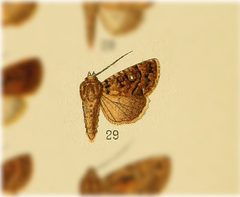
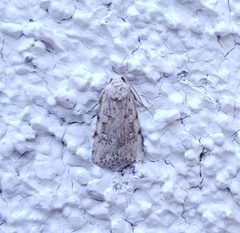
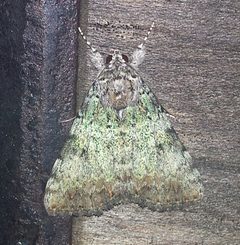
Condicinae are generally small to medium-sized noctuid . Distinguishing features from other Noctuidae require examination of genitalia and wing venation patterns. The Ogdoconta is characterized by reduced or absent and distinctive forewing pattern elements. Species in Condica often show forewings with irregular transverse lines and a mottled brown or gray coloration.
Images
Distribution
The has broad distribution across multiple continents, with constituent occurring in North America, Central and South America, Europe, Asia, and Africa. Specific range limits vary considerably among included genera.
Similar Taxa
- NoctuinaeAnother large of Noctuidae; Condicinae differs in genitalia structure and larval , though external similarities can make visual identification challenging without dissection.
- HadeninaeHistorically included some Condicinae ; separation based on revised phylogenetic analysis of and larval characters.
More Details
Taxonomic history
Prior to Poole's 1995 revision, many Condicinae were placed in Hadeninae or left unassigned within Noctuidae. The 's composition has been refined through molecular and morphological phylogenetic studies.
Tribal composition
The comprises two tribes (Condicini, Leuconyctini) and at least two unassigned (Aleptina, Hemicephalis). Generic composition differs among sources; iNaturalist recognizes four primary genera while Wikipedia lists additional genera in each tribe.