
Condica
Walker, 1856
Species Guides
28- Condica albigera(boneset groundling)
- Condica albolabes(Black Groundling)
- Condica andrena
- Condica begallo
- Condica charada
- Condica claufacta
- Condica concisa
- Condica confederata(The Confederate)
- Condica cupentia(splotched groundling)
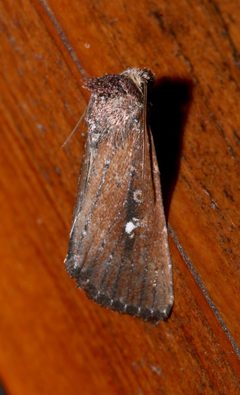
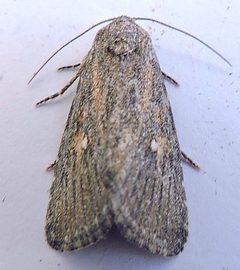
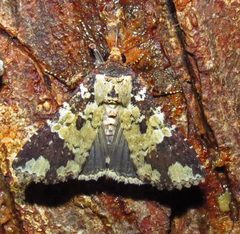
Condica is a of noctuid erected by Francis Walker in 1856. The genus contains approximately 60 described distributed across multiple continents, with documented records from Africa, Asia, Europe, North America, and Australia. Several species are recognized as agricultural pests, particularly of safflower, sunflower, and cotton crops. The genus is classified within the Condicinae of the Noctuidae.
Pronunciation
How to pronounce Condica: /ˈkɒn.dɪ.kə/
These audio files are automatically generated. While they are not always 100% accurate, they are a good starting point.
Images
Distribution
Global distribution spanning Africa (type locality Cape of Good Hope), Asia (China, India, Pakistan), Europe (southern Italy, Scandinavia, Denmark), North America (United States, Canada), and Australia. Specific distribution varies by .
Diet
herbivory documented in some ; Condica capensis feeds on safflower (Carthamus tinctorius), sunflower (Helianthus annuus), cotton (Gossypium hirsutum), and various Asteraceae including Bidens pilosa, Ageratum, Calendula, and Cynara species. Other include Macadamia and Acanthus.
Host Associations
- Carthamus tinctorius - safflower
- Helianthus annuus - sunflower
- Gossypium hirsutum - cotton
- Bidens pilosa -
- Ageratum -
- Calendula -
- Cynara -
- Macadamia -
- Acanthus -
- Cotesia - , natural enemy of larvae
Life Cycle
Complete with four stages. In Condica capensis: dome-shaped hemispheres, hatch in approximately 4 days; larvae pass through five instars with pronounced color changes from pale yellow at hatching to predominantly black after second instar, maturing to dark brown or green; pupae brown, obtect, smooth; grayish-brown with yellowish-white hindwings.
Behavior
Newly hatched larvae of C. capensis are highly active and climb rapidly to elevated positions. Potential for wind-mediated has been suggested based on geographic distribution patterns.
Ecological Role
Agricultural pest status documented for multiple , with C. capensis causing significant damage to safflower crops through larval feeding on leaves, stems, and flower filaments. Subject to by including Cotesia species.
Human Relevance
Economic impact as crop pest, particularly threatening safflower in expanding production regions such as Yunnan Province, China. Damage can result in complete plant death. Management requires monitoring and potential intervention.