
Chytonix
Grote, 1874
Species Guides
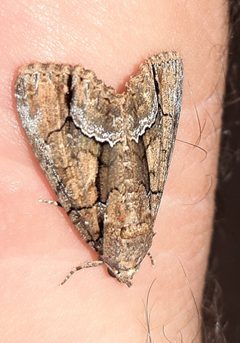
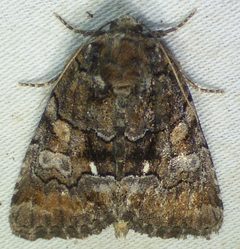
2- Chytonix palliatricula(Cloaked Marvel Moth)
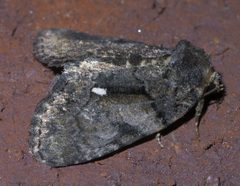
- Chytonix sensilis(barrens chytonix)
Chytonix is a of noctuid established by Grote in 1874. The genus contains approximately 11 recognized distributed across North America and parts of Asia. Species-level has undergone revision, with at least one former species (Chytonix divesta) reclassified to the genus Oligia. The genus is placed within the Condicinae.
Pronunciation
How to pronounce Chytonix: //kaɪˈtɒnɪks//
These audio files are automatically generated. While they are not always 100% accurate, they are a good starting point.
Identification
Identification to level requires examination of genitalia and wing venation patterns. within Chytonix are distinguished by subtle differences in forewing pattern elements, particularly the configuration of pale and dark markings. Chytonix palliatricula, the type species, serves as the primary reference for comparative identification. Distinguishing Chytonix from related condicine genera such as Oligia requires knowledge of noctuid .
Images
Distribution
North America (including Vermont, United States) and Asia (including Japan, based on authorship). Specific distribution varies by species.
Similar Taxa
- OligiaFormerly included Chytonix divesta; superficially similar forewing patterns in some
More Details
Taxonomic History
The has been subject to taxonomic revision, with Chytonix divesta (Grote, 1874) transferred to Oligia. Chytonix sensilis Grote, 1881 has been synonymized with Chytonix ruperti Franclemont, 1941.
Species Diversity
Eleven are currently recognized: C. albiplaga, C. albonotata, C. costimacula, C. elegans, C. hastata, C. palliatricula, C. sensilis, C. subalbonotata, C. umbrifera, C. variegata, C. variegatoides, and C. vermiculata.