Papaipema arctivorens
Hampson, 1910
Northern Burdock Borer, Thistle Stem Borer Moth
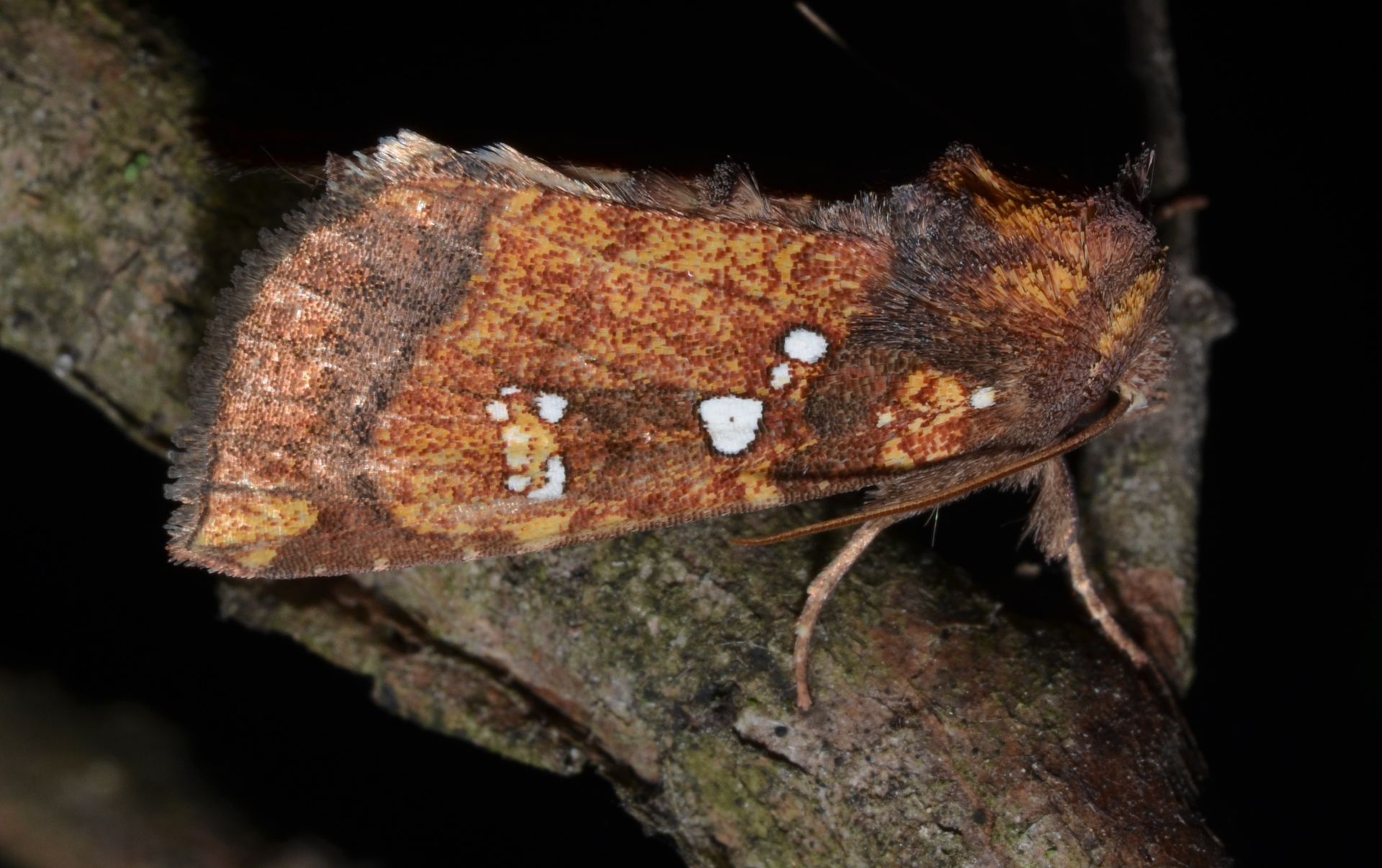
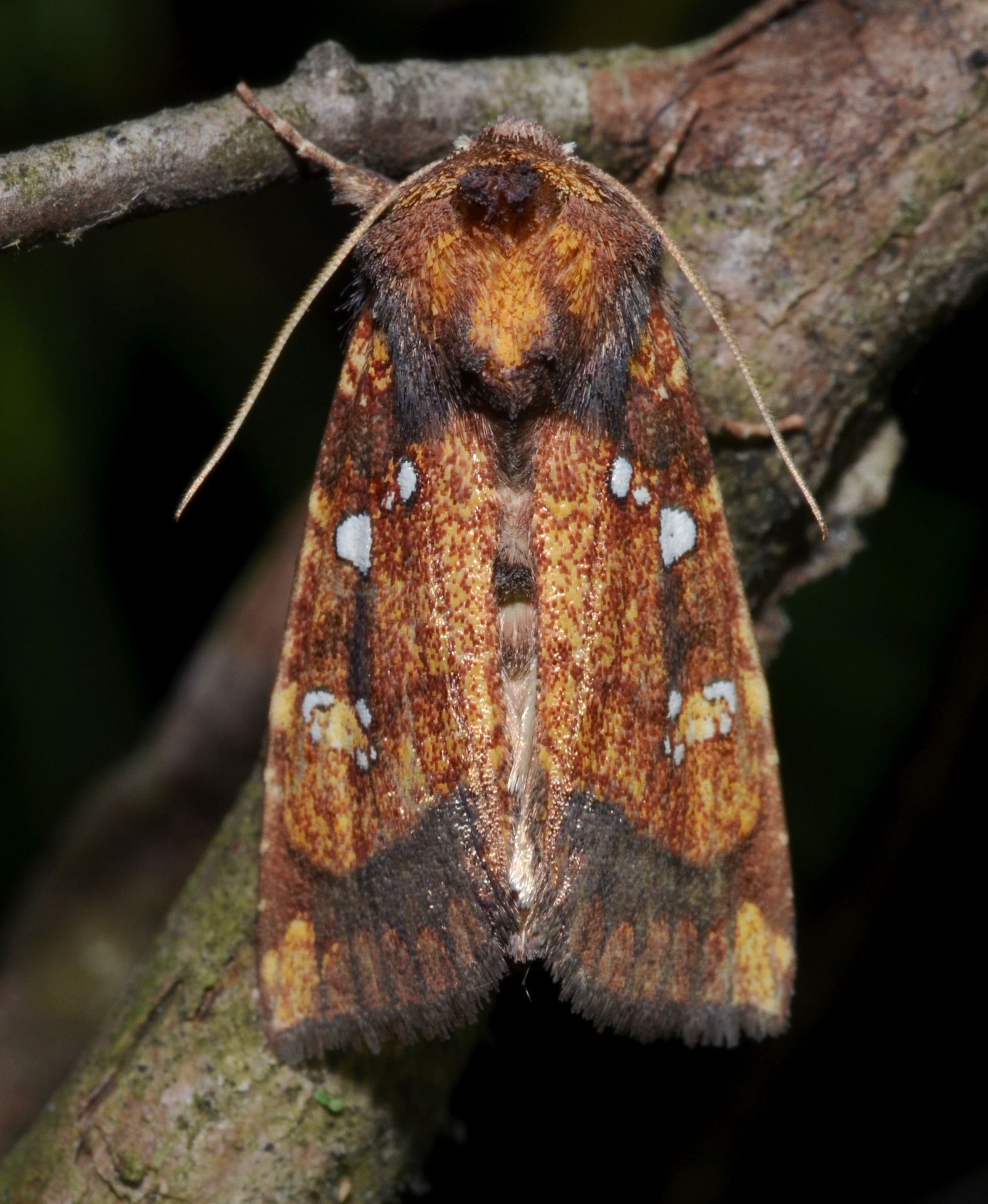
Papaipema arctivorens, commonly known as the northern burdock borer or thistle stem borer , is a noctuid moth found in eastern and central North America. The species is notable for its specialized larval feeding on thistle and burdock stems, with larvae boring into the pith of plants. have a wingspan of 27–39 mm. The species has been documented across a broad geographic range from Quebec to northern Georgia.
Pronunciation
How to pronounce Papaipema arctivorens: //ˌpæpaɪˈpiːmə ˌɑːrkˈtɪvəˌrɛnz//
These audio files are automatically generated. While they are not always 100% accurate, they are a good starting point.
Identification
The can be distinguished from other Papaipema species by its association with thistle (Cirsium) and burdock (Arctium) plants; larvae are found boring within stems of these plants. identification to species level requires examination of genitalia or close comparison with similar Papaipema species. The broad geographic range overlaps with multiple , making host plant association a key field indicator.
Images
Appearance
have a wingspan of 27–39 mm. As a member of the Papaipema, adults likely exhibit the muted brown and gray coloration typical of noctuid , with patterning that provides camouflage against bark and vegetation. Specific wing pattern details for this are not well documented in available sources.
Habitat
Associated with open and disturbed where plants grow, including fields, roadsides, and woodland edges. Presence depends on availability of thistle, burdock, or teasel (Dipsacus) .
Distribution
Eastern and central North America: Quebec to northern Georgia, west to Missouri, north to Minnesota and Ontario. Vermont records confirmed.
Diet
Larvae feed internally on stems and roots of Arctium (burdock), Cirsium (thistle), and Dipsacus (teasel) . Larvae have been observed on Verbena and Verbascum species, though these appear to be secondary or occasional .
Host Associations
- Arctium - larval primary ; larvae bore into stems
- Cirsium - larval primary ; larvae bore into stems
- Dipsacus - larval primary ; larvae bore into stems
- Verbena - occasional larval sometimes used
- Verbascum - occasional larval sometimes used
Life Cycle
Behavior
Larvae exhibit stem-boring , tunneling into the pith of living plant stems. This concealed feeding habit protects larvae from and desiccation. are , as is typical for Noctuidae.
Ecological Role
As a stem borer, larvae may influence plant by reducing growth or seed production. The may serve as prey for and other natural enemies, though specific relationships are not documented.
Human Relevance
"Thistle Stem Borer " suggests potential interest for of weedy thistles, though no documented control applications found. Not known to be an agricultural pest.
Similar Taxa
- Papaipema pterisiiAnother Papaipema with overlapping range; distinguished by plant association (P. pterisii feeds on bracken fern)
- Papaipema nebrisWidespread with overlapping range; distinguished by plants including corn and other grasses rather than thistles
- Other Papaipema speciesMany are morphologically similar; accurate identification often requires plant verification or genitalia examination
More Details
Nomenclature note
The "Northern Burdock Borer" refers to the primary plant and geographic distribution, while "Thistle Stem Borer " emphasizes the larval feeding habit on thistle stems. Both names are in current use.
Larval biology
The Papaipema is characterized by larvae that bore into stems and roots of herbaceous plants. P. arctivorens exemplifies this habit with its specialized association with thistles and related Asteraceae.