Schinia ultima
Strecker, 1876
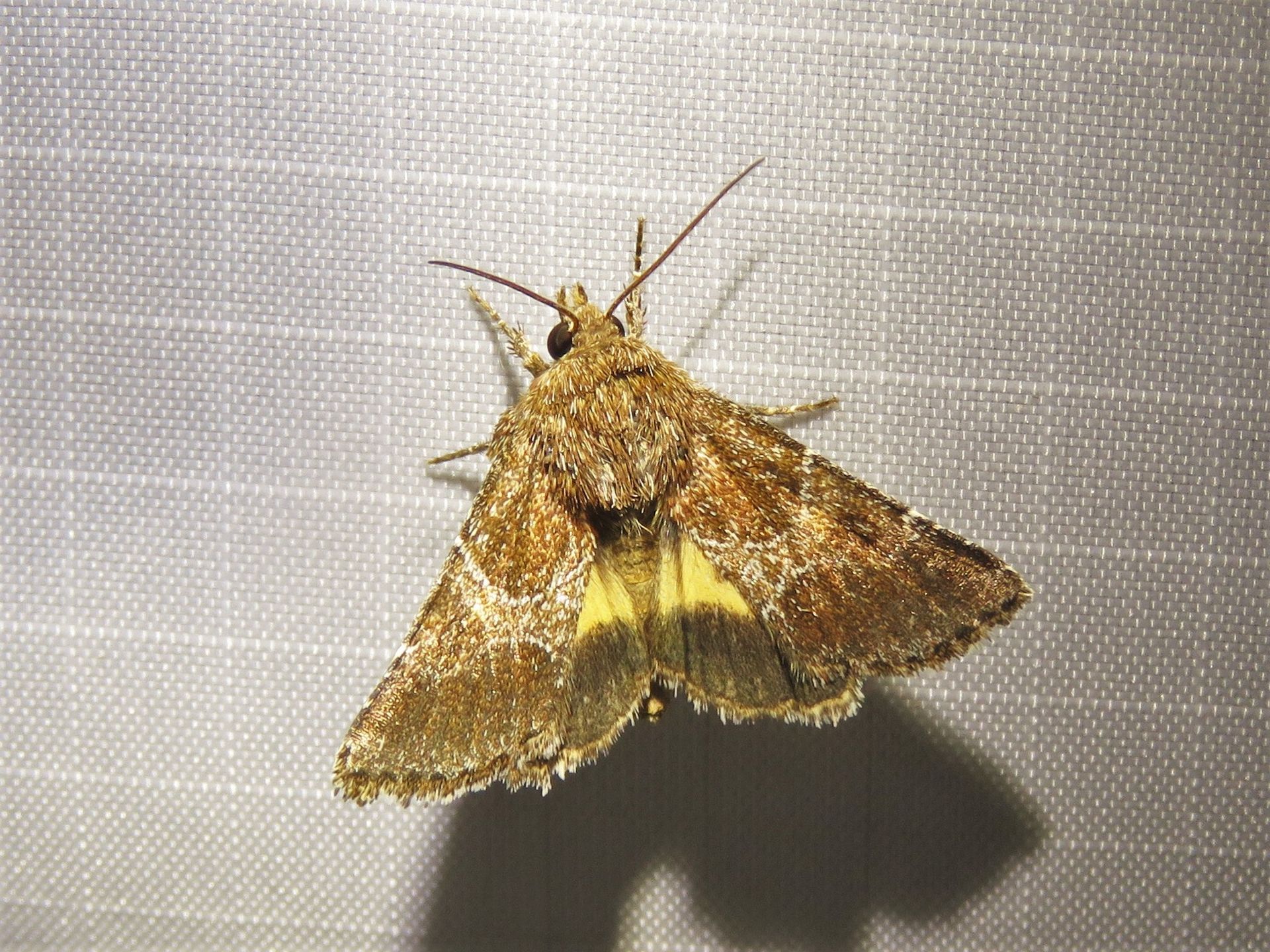
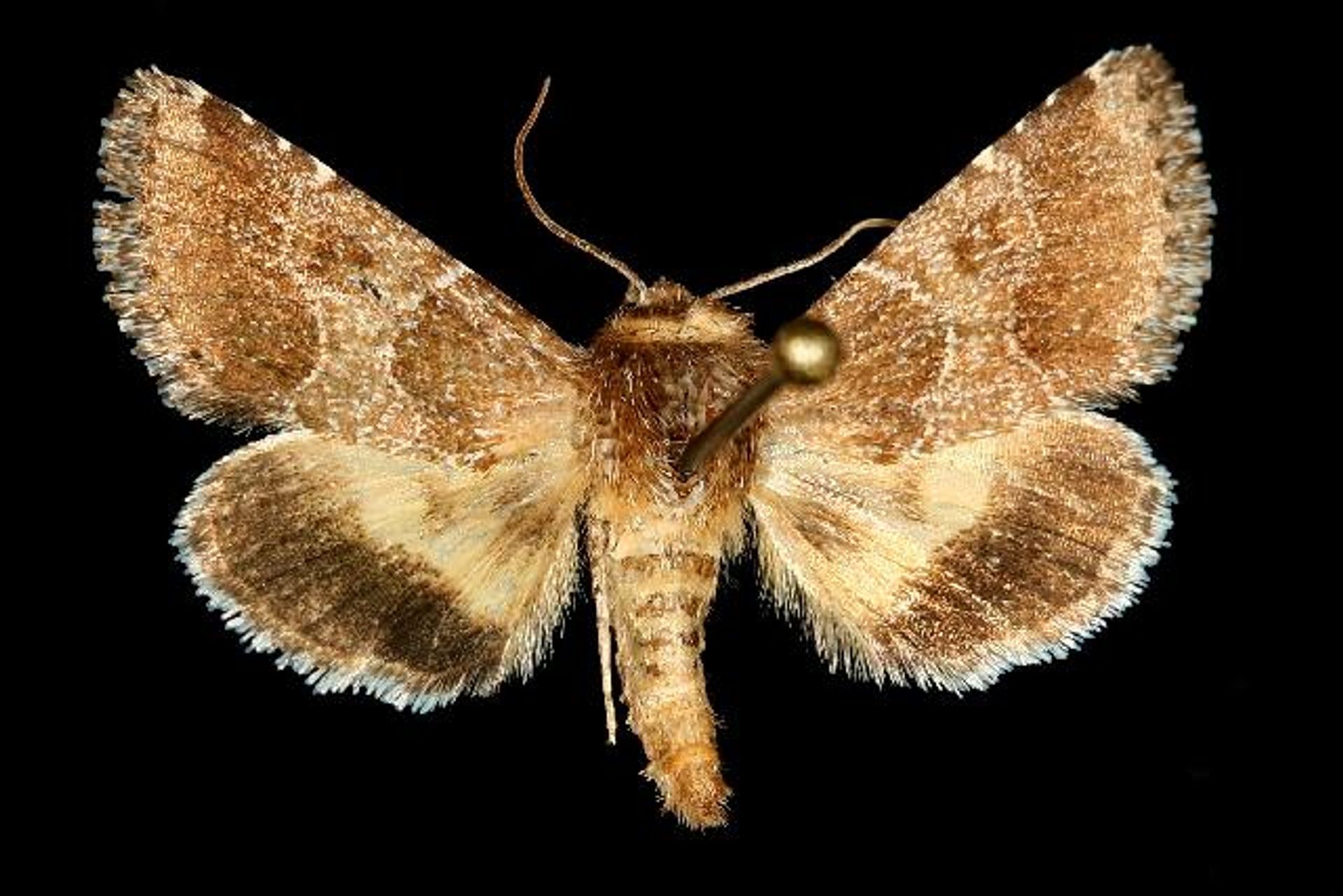
Schinia ultima is a noctuid described by Strecker in 1876. It belongs to the flower moth Schinia, a group of approximately 123 North American whose are often brightly colored and closely associated with their plants. The species has a documented wingspan of approximately 23 mm. Like other members of the genus, adults likely rest on or near the flowers of their host plants during daylight hours.

Pronunciation
How to pronounce Schinia ultima: /ˈskɪniə ˈʌltɪmə/
These audio files are automatically generated. While they are not always 100% accurate, they are a good starting point.
Identification
can be distinguished from other Schinia by genitalia examination; external alone is often insufficient for definitive identification within this . The small size (23 mm wingspan) and geographic distribution in the south-central United States may help narrow possibilities. Similar species in the same region include other Schinia flower moths with overlapping plant associations.
Images
Appearance
Wingspan approximately 23 mm. As a member of Schinia, likely exhibit the colorful patterning typical of the group, though specific coloration details for this are not documented in available sources.
Habitat
Associated with prairie and grassland in the south-central United States, based on documented distribution records from Colorado, Kansas, Nebraska, Oklahoma, Missouri, and Texas. Specific microhabitat preferences are not documented.
Distribution
Documented from six U.S. states: Colorado, Kansas, Nebraska, Oklahoma, Missouri, and Texas. GBIF records confirm presence in North America. No records from Canada or Mexico have been documented.
Behavior
are likely or , as is typical for Schinia. Members of this genus often rest on flowers of their plants during daylight and may be observed nectaring. Larval is undocumented for this .
Similar Taxa
- Schinia jaguarinaOverlaps in geographic range (Colorado, Texas) and shares prairie associations; both are flower moths in the same requiring genitalia examination for definitive separation.
- Other Schinia speciesThe contains approximately 123 North American , many with similar size and coloration; accurate identification typically requires examination of genitalic structures.
More Details
Taxonomic Note
Originally described as Heliothis ultima by Strecker in 1876, later transferred to Schinia. Placed in Heliothinae (formerly treated as Heliothidae or as part of subfamily Hadeninae in some classifications).
Data Limitations
Available sources provide minimal biological detail beyond basic and distribution. plant relationships, larval , and detailed remain undocumented in the accessible literature.
Sources and further reading
- BugGuide
- Wikipedia
- GBIF taxonomy match
- iNaturalist taxon
- NCBI Taxonomy
- Catalogue of Life
- The ultimate jaws on a longhorned beetle! | Beetles In The Bush
- The Ultimate Student Volunteering Cheat Sheet for Entomology 2017
- Bug Eric: Wasp Wednesday: Not Wasp VIII
- Catch a Glimpse of Caterpillars During National Moth Week
- Bug Eric: White Prairie Clover: An Awesome Blossom
- Bug Eric: Remembering National Moth Week 2018