Psaphida resumens
Walker, 1865
Figure-eight Sallow
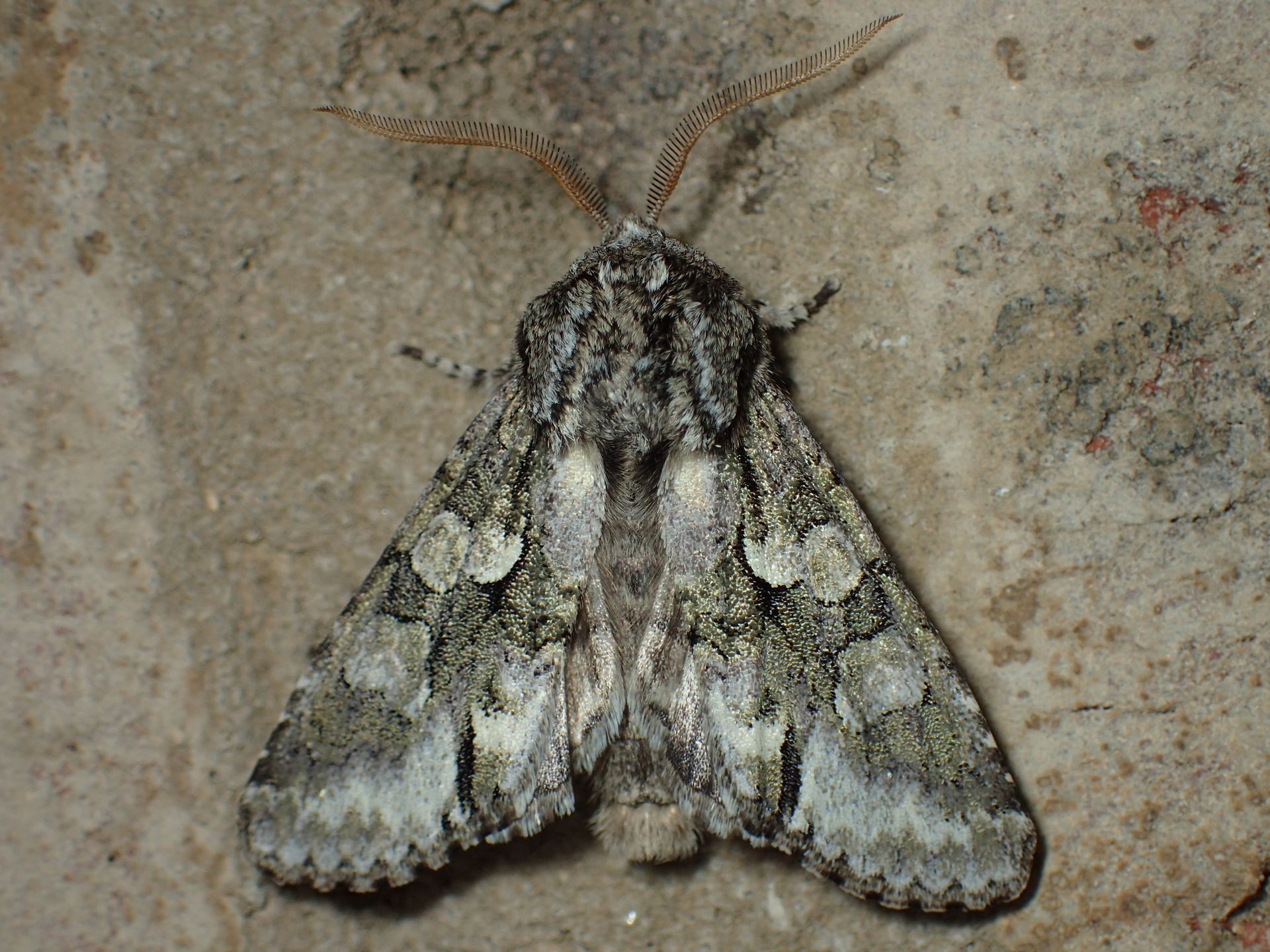
Psaphida resumens, commonly called the figure-eight sallow, is a of owlet moth in the Noctuidae. It is an early spring-emerging species with active from March through May. The species is widely distributed across eastern and central North America, from southern Canada to Florida and west to Texas and Minnesota.
Pronunciation
How to pronounce Psaphida resumens: /ˈsæfɪdə rɪˈsuːmənz/
These audio files are automatically generated. While they are not always 100% accurate, they are a good starting point.
Identification
The figure-eight shaped marking on the forewings is the primary diagnostic feature distinguishing this from other Psaphida and similar noctuid . It can be separated from the congeneric Roland's Sallow (Psaphida rolandi) by this distinctive forewing pattern; P. rolandi lacks the figure-eight marking and has different overall coloration.
Images
Habitat
Associated with deciduous forest where trees (oak and maple) occur. Specific microhabitat preferences are not documented.
Distribution
Eastern and central North America: from southern Ontario and Massachusetts south to Florida, west to Texas, and north to Minnesota.
Seasonality
are active from March to May. This pattern represents a single spring with no subsequent adult period during the year.
Diet
Larvae feed on leaves of oak (Quercus) and maple (Acer). feeding habits are not documented.
Host Associations
- Quercus - larval food plantoak
- Acer - larval food plantmaple
Life Cycle
One per year (). emerge in early spring (March–May). Larval development occurs on foliage. and stage are not explicitly documented for this , though related Psaphida species overwinter as pupae.
Behavior
are and attracted to artificial light sources. Like many early spring noctuids, they represent part of the 'early season' fauna that appears briefly and is not seen again until the following year.
Ecological Role
Larvae function as folivores on deciduous trees, contributing to nutrient cycling in forest . Specific ecological impacts or -prey relationships are not documented.
Human Relevance
No documented economic importance. Occasionally encountered by enthusiasts using blacklight or mercury vapor light setups during early spring surveys. Not known to be a pest of ornamental or timber trees.
Similar Taxa
- Psaphida rolandiCongeneric with similar early spring period and oak-feeding larvae, but distinguished by lacking the figure-eight forewing marking and having different overall coloration.
More Details
Taxonomic Note
Placed in Amphipyrinae, tribe Psaphidini based on Catalogue of Life classification.