
Scolecocampinae
Grote, 1883
Genus Guides
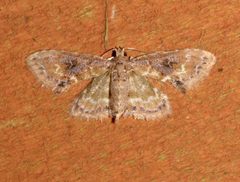
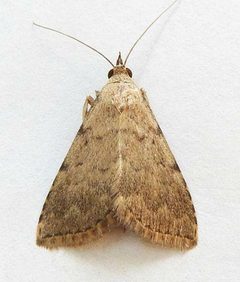
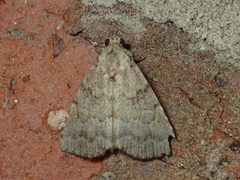
10Scolecocampinae is a of within Erebidae, erected by Augustus Radcliffe Grote in 1883. The group is defined by distinctive morphological characters including an enclosed, sac-like tympanal pocket and modified genital claspers. Phylogenetic analysis supports its status as a clade within Erebidae, though its precise contents remain under study. The subfamily includes approximately ten , with Scolecocampa and Sigela being among the more frequently documented.
Pronunciation
How to pronounce Scolecocampinae: /ˌskoʊlɛkoʊˈkæmpɪniː/
These audio files are automatically generated. While they are not always 100% accurate, they are a good starting point.
Identification
Members of Scolecocampinae can be distinguished from other Erebidae by three key morphological traits: an enclosed, sac-like tympanal pocket (tympanal pocket structure); genital claspers that are split with the extended dorsoapically into a long, free process; and a slender sacculus in the male genitalia. These characters require dissection for reliable identification.
Images
Habitat
have been documented in Great Smoky Mountains National Park across varied elevations, with the Foothills Parkway area in Cocke County, Tennessee representing a particularly species-rich locality. Available records suggest occupancy of park ranging from lower elevation foothills to higher elevations, though specific vegetation associations are not detailed in accessible sources.
Distribution
Documented from eastern North America, with confirmed records from Great Smoky Mountains National Park spanning North Carolina and Tennessee, USA. The most frequently recorded , Scolecocampa liburna, has been collected from 30 localities within this park system. Broader geographic distribution of the requires further documentation.
Similar Taxa
- Other Erebidae subfamiliesScolecocampinae differs from related in tympanal pocket structure (enclosed and sac-like versus open or differently structured), and in male genitalia with split claspers bearing an elongated costal process and slender sacculus. These traits require microscopic examination to distinguish from superficially similar erebid .
More Details
Taxonomic stability
While phylogenetic analysis supports Scolecocampinae as a valid clade within Erebidae, the precise generic composition and -level contents remain topics of ongoing study. The was historically classified within Noctuidae before reclassification to Erebidae under modern phylogenetic frameworks.