
Scolecocampa liburna
Geyer, 1837
Dead-wood Borer, Deadwood Borer Moth
Scolecocampa liburna is a in the Erebidae, commonly known as the dead-wood borer. The was described by Carl Geyer in 1837. have a wingspan of 35–43 mm. The larvae develop inside fallen dead wood of various hardwood trees.
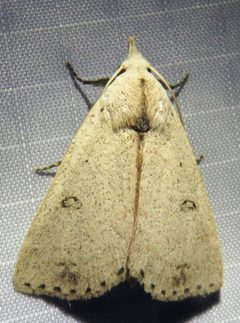
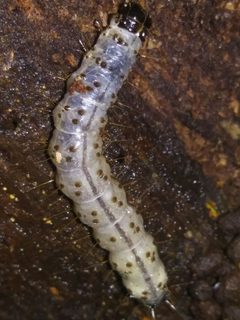
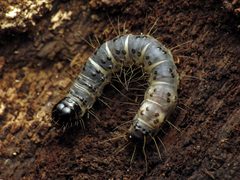
Pronunciation
How to pronounce Scolecocampa liburna: /skɒlɛkoʊˈkæmpə laɪˈbɜrnə/
These audio files are automatically generated. While they are not always 100% accurate, they are a good starting point.
Identification
The can be distinguished by its association with dead wood and its period. fly from late May to late July, with a partial second in late August in southern Ohio. The combination of size, timing, and geographic range helps separate it from similar erebid .
Images
Appearance
have a wingspan of 35–43 mm. No further morphological details are documented in available sources.
Habitat
Forested areas with fallen dead wood. Larvae tunnel in fallen branches and trunks of hardwood trees.
Distribution
Eastern and central United States, from southern Wisconsin and Michigan to central New England, south to Florida and Texas.
Seasonality
are active from late May to late July. A second occurs in late August in southern Ohio. One per year in northern parts of the range; multiple generations southward.
Diet
Larvae tunnel in fallen dead wood of chestnut, hickory, oak, sycamore, and tulip trees. diet is not documented.
Host Associations
- Castanea - larval fallen dead branches and trunks
- Carya - larval fallen dead branches and trunks
- Quercus - larval fallen dead branches and trunks
- Platanus - larval fallen dead branches and trunks
- Liriodendron - larval fallen dead tulip trees
Life Cycle
Larvae develop inside fallen dead wood of hardwood trees. occurs within the wood. emerge in late spring to mid-summer, with timing varying by latitude. One per year in northern range; multiple generations in southern range.
Behavior
Larvae are wood-borers, tunneling in fallen dead branches and trunks. No other documented .
Ecological Role
Decomposer of dead hardwood. Larvae break down fallen dead wood, contributing to nutrient cycling in forest .
Human Relevance
No documented economic or medical significance. Not considered a pest of living trees.
Similar Taxa
- Other Scolecocampa speciesSame , similar size and preferences; identification requires examination of genitalia or detailed wing pattern analysis
- Other Calpinae mothsSimilar body form and habits; distinguished by specific associations and geographic range
More Details
Original description
First described as Clytie liburna by Carl Geyer in 1837, later transferred to Scolecocampa.
Hodges number
8514 in the North American Photographers Group system.