
Melipotis
Hübner, 1818
Species Guides
14- Melipotis acontioides(Royal Poinciana Moth)
- Melipotis agrotoides
- Melipotis cellaris(Cellar Melipotis Moth)
- Melipotis contorta
- Melipotis famelica
- Melipotis fasciolaris(Fasciolated Melipotis)
- Melipotis florida
- Melipotis indomita(Indomitable Melipotis)
- Melipotis januaris(January melipotis moth)
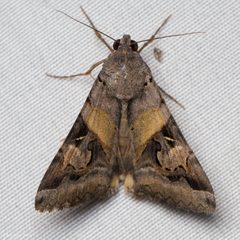
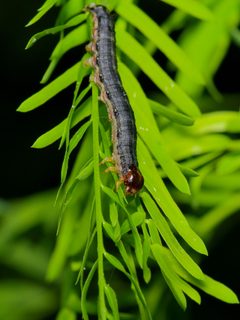
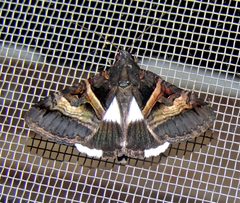
Melipotis is a of in the Erebidae, first described by Jacob Hübner in 1818. The genus contains approximately 50 recognized distributed primarily in the Americas. are and have been observed visiting flowers, including dandelions. The genus is characterized by distinctive morphological features including modified palps and leg structures.
Pronunciation
How to pronounce Melipotis: //mɛˈlɪpɔtɪs//
These audio files are automatically generated. While they are not always 100% accurate, they are a good starting point.
Identification
Distinguished from similar erebid by the combination of: palps with second joint obliquely upturned to vertex and long porrect third joint; forewings with quadrate apex; and presence of medial and terminal tufts of long spinous hairs on mid and hind tibia. Male with short fasciculated cilia provide additional diagnostic character. -level identification requires examination of genitalia and wing pattern details.
Images
Appearance
Medium-sized with forewings bearing a somewhat quadrate (square-shaped) apex. Palpi with second joint obliquely upturned, reaching vertex of , and long porrect (forward-projecting) third joint. of males with short fasciculated cilia. and smoothly scaled. Mid and hind tibia with medial and terminal tufts of long spinous hairs.
Distribution
Primarily distributed in the Americas, with ranging from North America through Central America to South America. Individual species have more restricted ranges; for example, Melipotis florida was described from Florida in 2020.
Seasonality
activity patterns vary by and latitude. In temperate regions, adults are active during warmer months. One species, Melipotis januaris, is named for January activity suggesting winter or early season in its range.
Behavior
are . Have been observed visiting flowers for nectar, including non-native plants such as dandelion (Taraxacum officinale).
Ecological Role
function as when visiting flowers. Larval poorly documented but larvae of related erebid are typically herbivorous.
Similar Taxa
- Other Erebinae generaMany erebid share general body plan; Melipotis distinguished by palp structure and tibial tufts
- Noctuidae (former classification)Previously placed in Noctuidae; now distinguished by Erebidae characters including larval and molecular data
More Details
Taxonomic History
The was originally described in 1818 by Jacob Hübner. have been described by numerous authors including Walker, Guenée, Hampson, and more recently Troubridge (2020). Several former species have been reassigned to other genera or synonymized.
Species Diversity
The includes over 50 recognized with highest diversity in tropical and subtropical regions. Melipotis florida represents a recently described species (2020) from the southeastern United States.