Catocala consors
Smith, J.E., 1797
Consort Underwing
Catocala consors, the consort underwing, is a North American in the Erebidae. It is one of approximately 250 in the Catocala, commonly known as underwing moths due to their brightly colored hindwings concealed beneath cryptic forewings. The species occurs in the eastern and central United States, with active in spring and early summer. Larvae feed on specific plants including Amorpha fructicosa and Carya species.
Pronunciation
How to pronounce Catocala consors: /kəˈtoʊkələ ˈkɒnsɔrz/
These audio files are automatically generated. While they are not always 100% accurate, they are a good starting point.
Identification
Distinguished from other Catocala by geographic range and period. fly from April to July, earlier than many . Specific hindwing pattern and detailed diagnostic features require examination of specimens. The Catocala consors sorsconi occurs in Maine and may show regional variation.
Images
Appearance
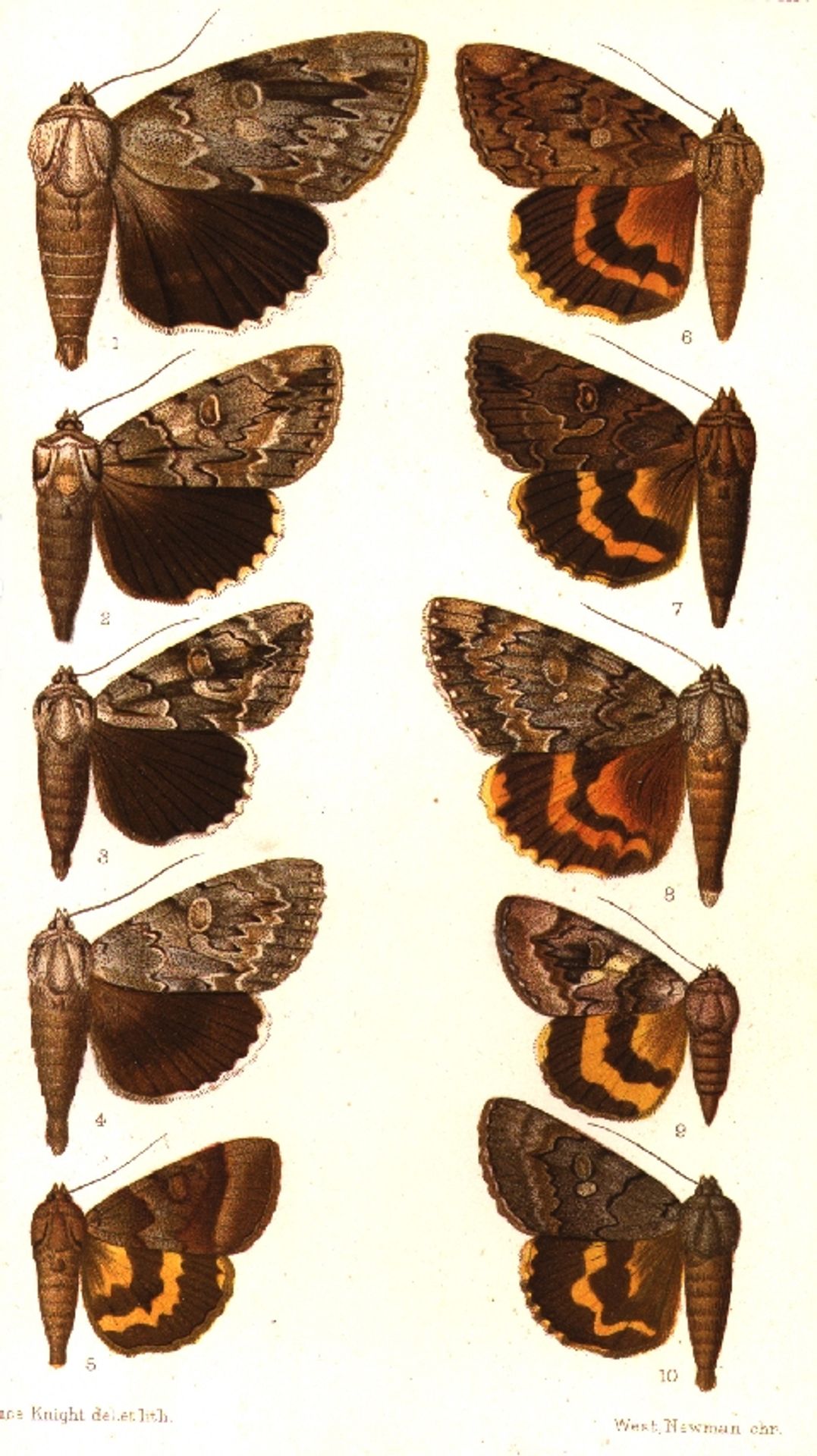
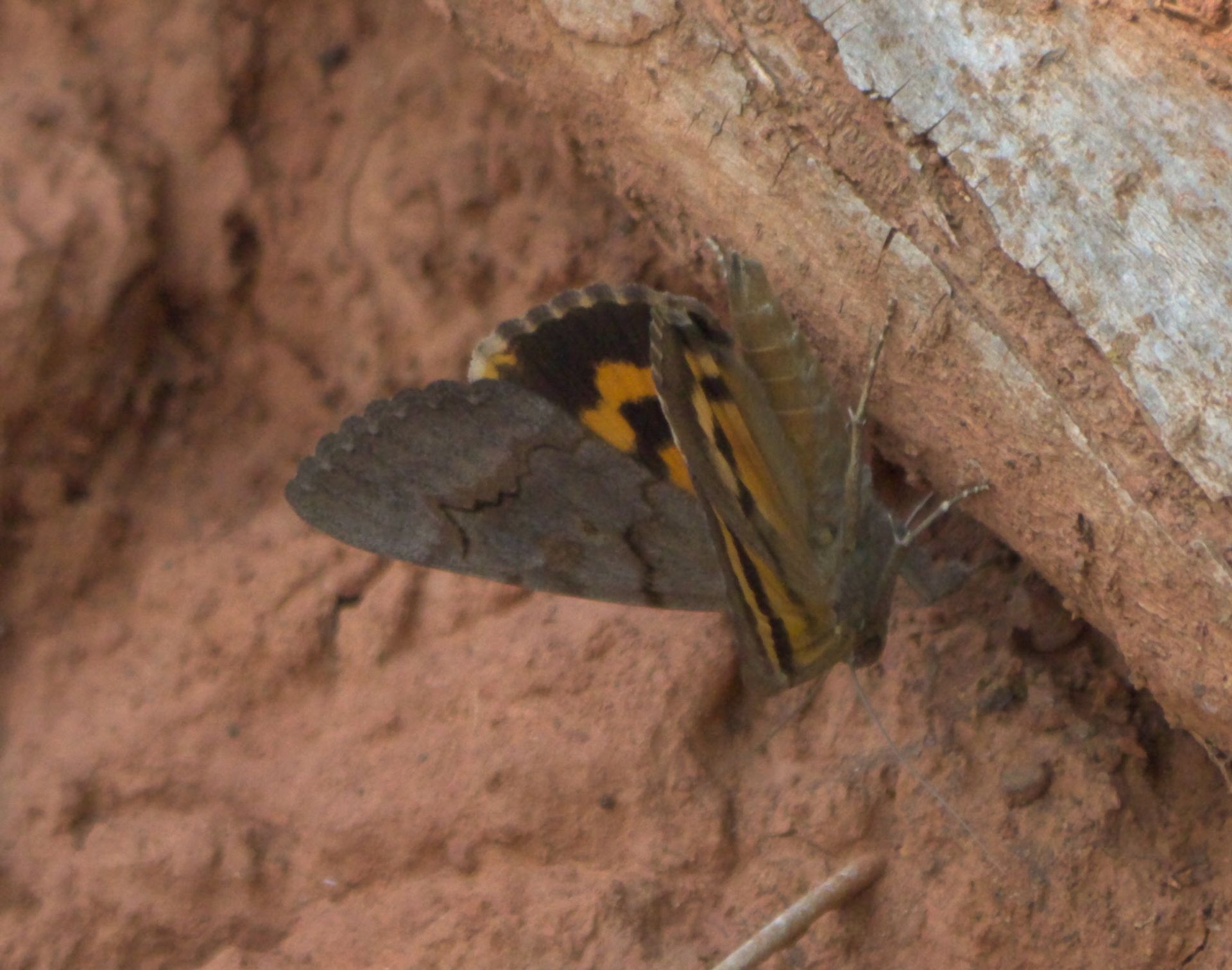
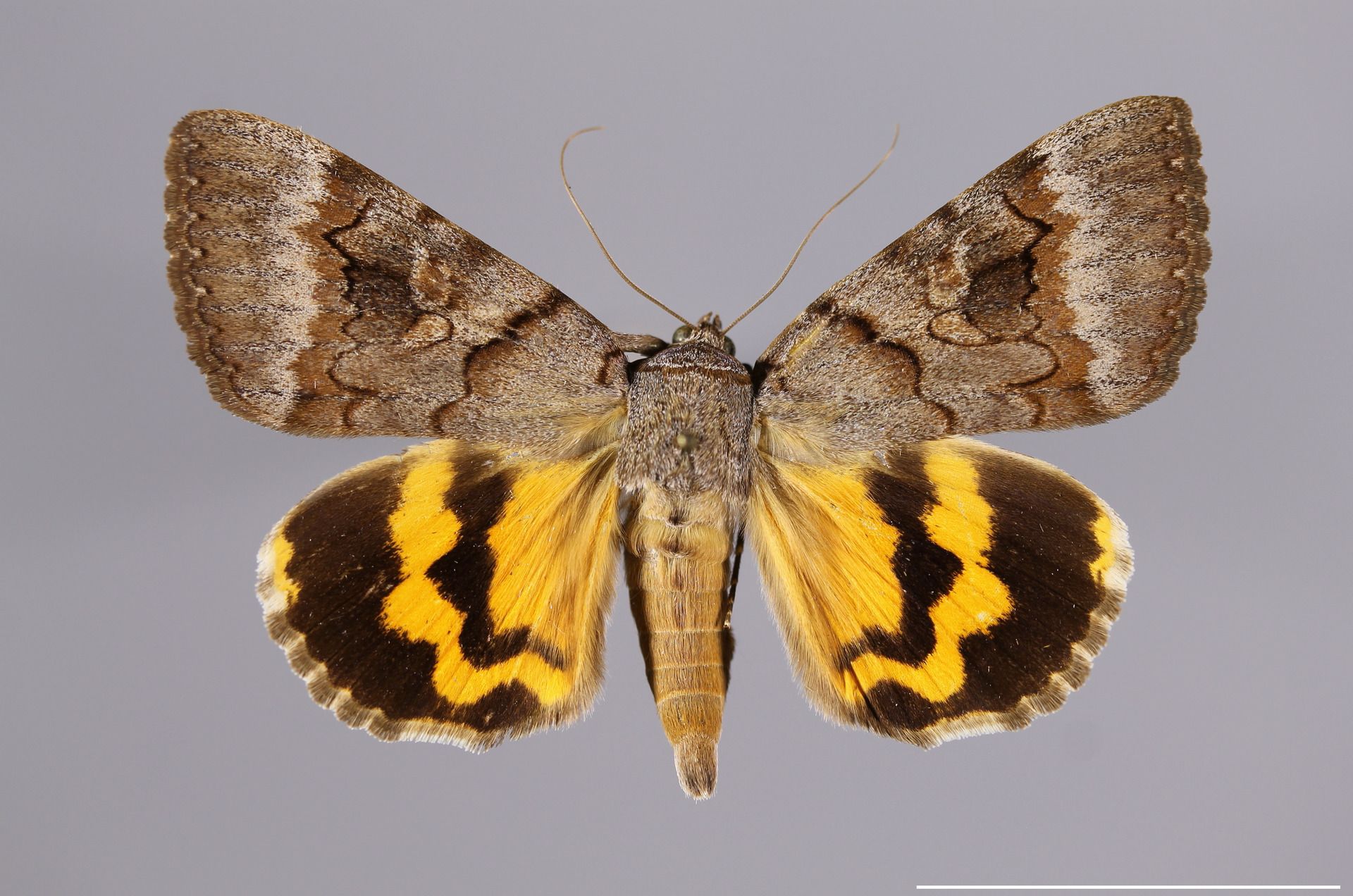
Wingspan exceeds 70 mm. Forewings are dull-colored, providing camouflage when at rest. Hindwings display the bright coloration characteristic of underwing moths, though specific pattern details for this are not documented in available sources. The is distinguished by the resting posture where forewings are held together over the back, concealing the hindwings beneath.
Habitat
Associated with supporting its larval plants. Occurs in areas where Amorpha fructicosa (false indigo) and Carya (hickories) are present, suggesting open woodlands, forest edges, and riparian zones in the eastern United States.
Distribution
Eastern and central North America: from Maine and Connecticut south to Florida, and west to Texas and eastern Oklahoma. The Catocala consors consors occurs throughout the range; C. c. sorsconi is restricted to Maine.
Seasonality
are on wing from April to July, with timing varying by location. One per year ().
Diet
Larvae feed on Amorpha fructicosa (false indigo) and Carya (hickories). feeding habits are not documented.
Host Associations
- Amorpha fructicosa - larval false indigo
- Carya - larval hickory
Life Cycle
One per year. emerge in spring and early summer (April–July). Larval stage feeds on plants. likely occurs in soil or leaf litter, though specific details are not documented. Overwinters as pupa or , with mode not confirmed.
Behavior
are . Like other Catocala , they typically do not come directly to lights or remain on the periphery of lighted areas. They may be flushed from daytime resting positions on tree trunks. When disturbed, they flash their brightly colored hindwings as a startle defense before taking .
Ecological Role
Larvae function as herbivores on their plants. likely serve as prey for including bats and birds. Their startle display using hindwing coloration is a documented anti-predator in the .
Human Relevance
Subject of interest to lepidopterists and citizen scientists participating in observation events. Featured in National Moth Week activities as part of the spotlighted Catocala. No documented economic importance or pest status.
Similar Taxa
- Catocala epioneAnother underwing with similar eastern North American distribution, but with different period and hindwing pattern
- Other Catocala speciesOver 100 in North America; identification requires examination of hindwing pattern, genitalia, and geographic range
More Details
Subspecies
Two recognized: Catocala consors consors (nominate, widespread) and Catocala consors sorsconi Barnes & Benjamin, 1924 (Maine). The latter may represent a localized with distinct characteristics.
Etymology
The specific epithet 'consors' is Latin meaning 'partner' or 'companion'. The 'consort underwing' reflects this. The name Catocala derives from Greek 'kato' (below) and 'kalos' (beautiful), referring to the concealed colorful hindwings.
Research needs
Basic information including oviposition site, larval , site, and stage requires documentation. Detailed descriptions of and genitalia for -level identification are available in technical literature but not summarized in general sources.
Sources and further reading
- BugGuide
- Wikipedia
- GBIF taxonomy match
- iNaturalist taxon
- NCBI Taxonomy
- Catalogue of Life
- A Gathering of Lepidopterists: Who's Who of the Butterfly, Moth Experts | Bug Squad
- Got Moths? Celebrate National Moth Week and Global Citizen Science
- Bug Eric: National Moth Week Recap, 2015
- Bug Eric: National Moth Week Recap for Colorado Springs
- Bug Eric: National Moth Week 2024 Recap from Kansas City
- Bug Eric: New Mexico Night Bugs