
Catocala alabamae
Grote, 1875
Alabama Underwing, Titan Underwing
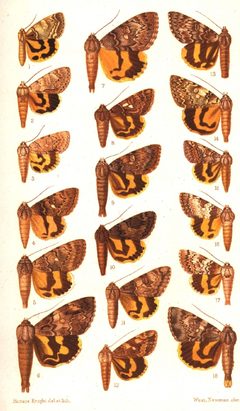
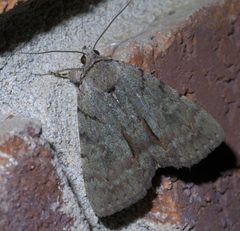
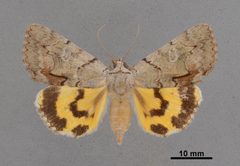
Catocala alabamae, commonly known as the Alabama Underwing or Titan Underwing, is a in the Erebidae. The is notable for its distinctive underwing pattern typical of the Catocala, where dull forewings conceal brightly colored hindwings. It occurs primarily in the southeastern and central United States, with active during spring and summer months. The species has been documented feeding on several plants in the rose family as larvae.
Pronunciation
How to pronounce Catocala alabamae: /kætoʊˈkeɪlə ˌælæˈbæmi/
These audio files are automatically generated. While they are not always 100% accurate, they are a good starting point.
Identification
Distinguished from other Catocala by specific wing pattern details, particularly the coloration and banding of the hindwings. Accurate identification typically requires examination of wing patterns and may reference genitalic characters for confirmation. The species name 'alabamae' refers to its association with Alabama, part of its core range.
Images
Habitat
Associated with wooded and areas where plants occur. The has been observed in mixed forest environments and areas containing hawthorn, crabapple, and plum trees.
Distribution
Southeastern and central United States: from Pennsylvania south to Florida, west to Texas, and north to Missouri, Wisconsin, and Illinois. Records also include Louisiana and Maryland.
Seasonality
are active from April to August, with timing varying by location. The likely has one per year.
Diet
Larvae feed on Crataegus (hawthorn), Crataegus calpodendron (pear haw), Malus coronaria (sweet crabapple), and Prunus angustifolia (chickasaw plum). feeding habits are not documented in available sources.
Host Associations
- Crataegus - larval planthawthorn
- Crataegus calpodendron - larval plantpear haw
- Malus coronaria - larval plantsweet crabapple
- Prunus angustifolia - larval plantchickasaw plum
Life Cycle
Probably (one per year). Larval stage feeds on plants in Rosaceae. details are not documented. emerge in spring and summer.
Behavior
are . Like other underwing moths, they typically rest with forewings covering the hindwings, using the dull forewing coloration for camouflage against tree bark. When disturbed, they may flash the brightly colored hindwings as a startle defense before taking . Underwing moths generally do not come readily to lights or remain on the periphery of lighted areas.
Ecological Role
Larvae function as herbivores on woody plants in the rose . likely serve as prey for including bats and birds. The contributes to local biodiversity as part of the underwing guild in eastern deciduous and mixed forests.
Human Relevance
Subject of interest to lepidopterists and enthusiasts. The is documented in citizen science platforms including iNaturalist. No significant economic impact or pest status has been reported.
Similar Taxa
- Catocala epioneAnother underwing with similar size range and preferences; distinguished by specific hindwing pattern
- Other Catocala speciesMany underwing moths share the -characteristic cryptic forewings and colorful hindwings; precise identification requires examination of wing pattern details and often genitalic characters
More Details
Taxonomic note
The was described by Grote in 1875. The Catocala, derived from Greek meaning 'beautiful below', contains over 250 species worldwide with approximately half occurring in North America. Underwing moths were formerly placed in Noctuidae but are now classified in Erebidae.
Observation frequency
As of available records, the has been documented in approximately 102 observations on iNaturalist, indicating it is encountered with moderate frequency by observers within its range.
Sources and further reading
- BugGuide
- Wikipedia
- GBIF taxonomy match
- iNaturalist taxon
- NCBI Taxonomy
- Catalogue of Life
- A Gathering of Lepidopterists: Who's Who of the Butterfly, Moth Experts | Bug Squad
- Got Moths? Celebrate National Moth Week and Global Citizen Science
- Bug Eric: National Moth Week Recap, 2015
- Bug Eric: National Moth Week Recap for Colorado Springs
- Bug Eric: National Moth Week 2024 Recap from Kansas City
- Bug Eric: New Mexico Night Bugs