
Eudocima
Billberg, 1820
Fruit-piercing Moths
Species Guides
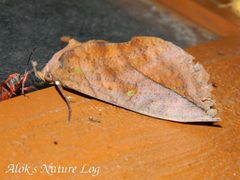
2- Eudocima apta(Adept Fruit-piercing Moth)
- Eudocima serpentifera
Eudocima is a of in the Erebidae, established by Gustaf Johan Billberg in 1820. The genus contains numerous tropical and is notable for the fruit-piercing of its , which use their specialized mouthparts to puncture fruit and feed on juices. This feeding habit has made several species significant agricultural pests. The genus has undergone taxonomic revisions, with species historically placed in various other genera.
Pronunciation
How to pronounce Eudocima: /juːˈdoʊsɪmə/
These audio files are automatically generated. While they are not always 100% accurate, they are a good starting point.
Identification
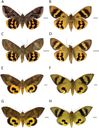
Distinguished from related by the combination of: palpi with second joint thickened and reaching vertex of ; forewings with arched , acute apex, and lobed inner margin with hair tufts; spineless tibia clothed with long hair. Larvae possess four pairs of abdominal with the first pair . The fruit-piercing of is a functional trait shared with related genera but not unique to Eudocima.
Images
Habitat
Tropical and subtropical regions. Specific microhabitat preferences vary by but generally associated with areas where plants for larvae and fruit sources for are available.
Distribution
Pantropical distribution, with occurring across tropical regions of Africa, Asia, Australia, and the Americas. Individual species have more restricted ranges within this broad distribution.
Diet
puncture and feed on fruit juices using a specialized . Larval plants vary by and include members of Menispermaceae and other plant .
Host Associations
- Menispermaceae - larval Larvae feed on various in this
- Pycnarrhena novoguineensis - larval for Eudocima iridescens
- Hypserpa laurina - larval for Eudocima iridescens
Life Cycle
Complete with four life stages: , larva, pupa, and . Larvae have four pairs of abdominal with the first pair . Specific developmental details vary by and are not well documented for the as a whole.
Behavior
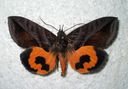
are and rest on tree trunks during daylight hours. Some , such as Eudocima materna, employ a startling display : drab forewings provide camouflage against bark, while brightly colored hindwings are concealed at rest. When disturbed, the flashes its hindwings to startle , then flies to another tree and
Ecological Role
Larvae function as herbivores on various plants. act as frugivores, potentially serving as minor during fruit feeding. The fruit-piercing can facilitate entry points for fungal and other spoilage organisms in fruits.
Human Relevance
Considered significant agricultural pests in many tropical regions due to fruit-piercing feeding . puncture developing and ripe fruits, causing direct damage and secondary . Affected crops include citrus, guava, mango, and other tropical and subtropical fruits. Control measures are often implemented in commercial orchards.
Similar Taxa
- OthreisAlso contains fruit-piercing moths with similar and ; distinguished by specific wing patterns and genitalic characters
- CatocalaShares the underwing habit of concealing brightly colored hindwings beneath drab forewings; distinguished by different wing shape and lack of fruit-piercing
More Details
Taxonomic History
currently placed in Eudocima have been assigned to numerous other in the past, reflecting the complex taxonomic history of the fruit-piercing moth group. The genus has been variously treated within Noctuidae, Calpinae, and now Erebidae depending on classification system employed.
Defensive Behavior
Eudocima materna exhibits a double line of defense: cryptic forewing coloration provides camouflage against tree bark, while sudden exposure of brightly colored hindwings serves as a deimatic display to startle .