
Arctia opulenta
(Edwards, 1881)
Opulent Tiger Moth
Arctia opulenta is a tiger moth in the Erebidae, first described by Henry Edwards in 1881. It is a small, restricted to high-latitude tundra across northern North America. The species is notable for its Arctic-alpine distribution and specialized larval diet on willow species.
Pronunciation
How to pronounce Arctia opulenta: //ˈɑːrk.ti.ə oʊˈpjuː.lɛn.tə//
These audio files are automatically generated. While they are not always 100% accurate, they are a good starting point.
Identification
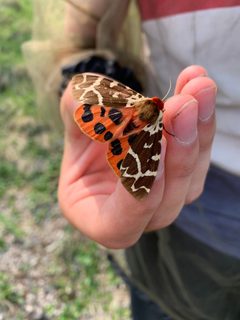
Differentiated from the visually similar garden tiger (Arctia caja) by its smaller body size and distinctive structure. The combination of small stature, activity, and high-latitude tundra provides additional distinguishing characteristics.
Images
Appearance
A small tiger moth with forewing length approximately 25 mm. The exhibits the typical tiger moth coloration pattern but is notably smaller than related species such as the garden tiger . have distinctive that aid in species identification.
Habitat
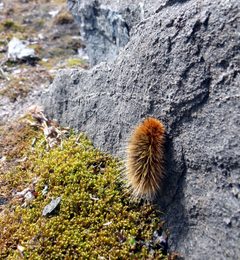
Arctic tundra, alpine tundra, and subalpine tundra environments. Occupies open, treeless landscapes at high latitudes and elevations where willow occur.
Distribution
Northern North America from Alaska eastward through northern British Columbia to Labrador. Records also include Manitoba. The distribution spans the North American Arctic and subarctic zones.
Diet
Larvae feed on Salix (willow) . feeding habits are not documented.
Host Associations
- Salix - larval foodplantspecific willow not identified
Behavior
are , an unusual trait among tiger moths which are typically . Active during daylight hours in tundra .
Similar Taxa
- Arctia cajaGarden tiger ; distinguished by larger size and different structure
More Details
Sources and further reading
- BugGuide
- Wikipedia
- GBIF taxonomy match
- iNaturalist taxon
- NCBI Taxonomy
- Catalogue of Life
- Rick Karban and the Wooly Bear Caterpillars of Bodega Bay | Bug Squad
- Let’s make a deal! | Beetles In The Bush
- Nota Lepidopterologica | Blog - Part 2
- Nota Lepidopterologica welcomes new Editor-in-Chief Marcin Wiorek
- Pollen Bath | Beetles In The Bush