
Leucanthiza
Clemens, 1859
Species Guides
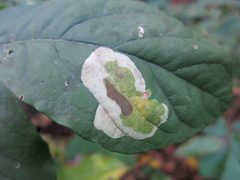
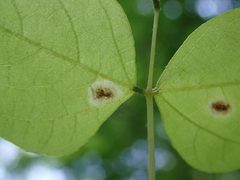
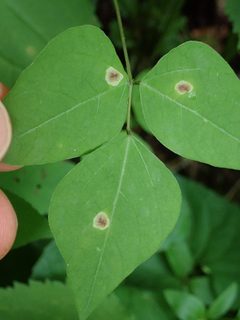
2Leucanthiza is a of small in the Gracillariidae, established by Clemens in 1859. The genus contains three described : L. amphicarpeaefoliella, L. dircella, and L. forbesi. These moths are leaf miners, with larvae that feed internally within plant tissues. The genus is classified within the Lithocolletinae, a group known for their distinctive mining patterns on leaves.
Pronunciation
How to pronounce Leucanthiza: //luːˈkænθɪzə//
These audio files are automatically generated. While they are not always 100% accurate, they are a good starting point.
Images
Distribution
Records exist from Vermont and elsewhere in the United States. Specific range details for individual remain limited.
Host Associations
- Amphicarpaea - L. amphicarpeaefoliella larvae mine leaves of hog-peanut (Amphicarpaea bracteata)
- Dirca - L. dircella larvae mine leaves of leatherwood (Dirca palustris)
Similar Taxa
- PhyllonorycterBoth are in Lithocolletinae and produce blotch mines on leaves; Leucanthiza generally have more restricted ranges on specific understory plants
- CamerariaSimilar leaf-mining habits and small size; Cameraria often create more elongated mines on woody plants, while Leucanthiza mines have been noted on herbaceous and shrub
More Details
Etymology
The name derives from Greek 'leukos' (white) and 'anthiza' (flower), likely referencing the appearance of the or their association with flowering plants.
Taxonomic History
Originally described by James Brackenridge Clemens in 1859 with L. amphicarpeaefoliella as the type . The has remained small and stable, with only three species described over more than a century.