Pleuroprucha insulsaria
(Guenée, 1857)
Common Tan Wave, common tan wave moth
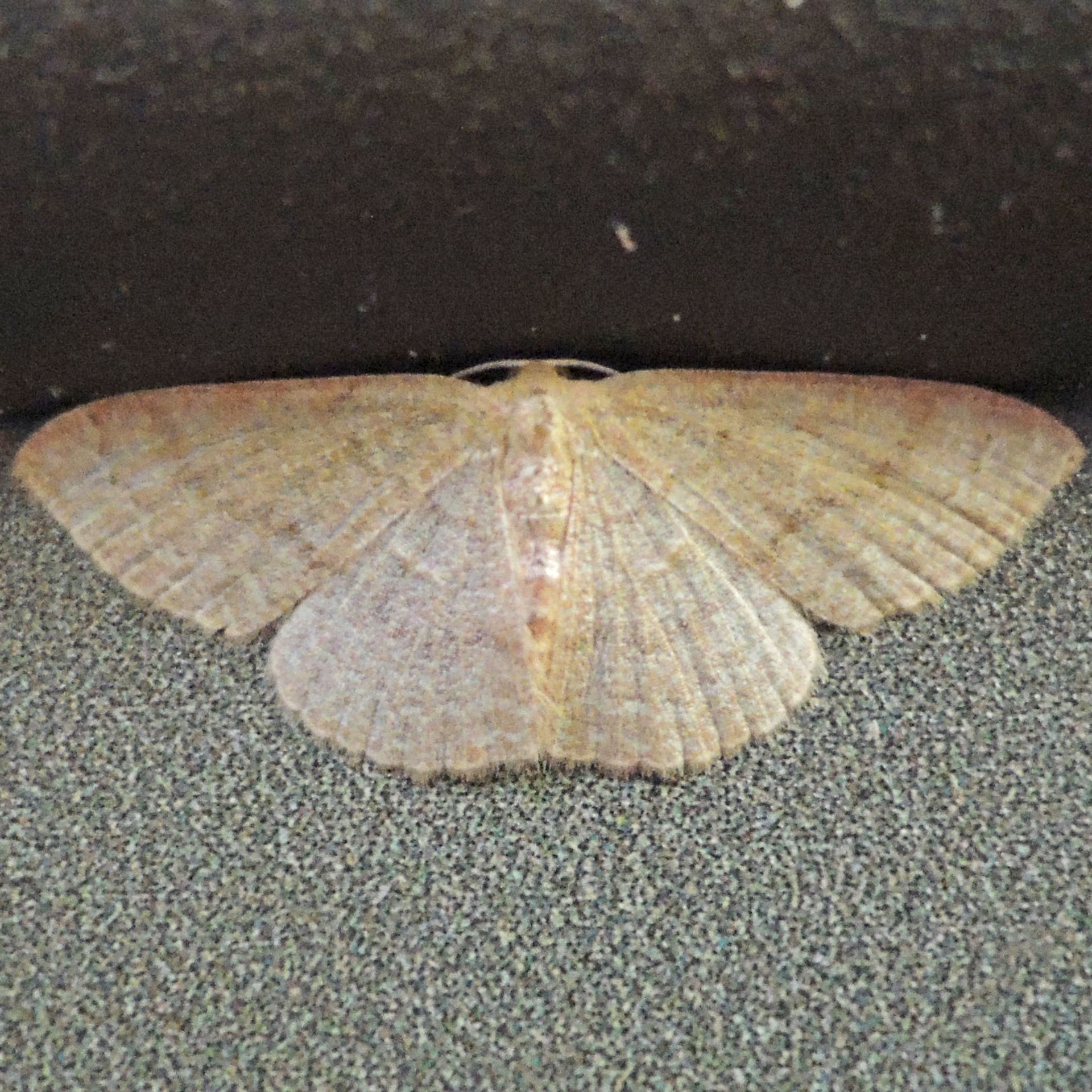
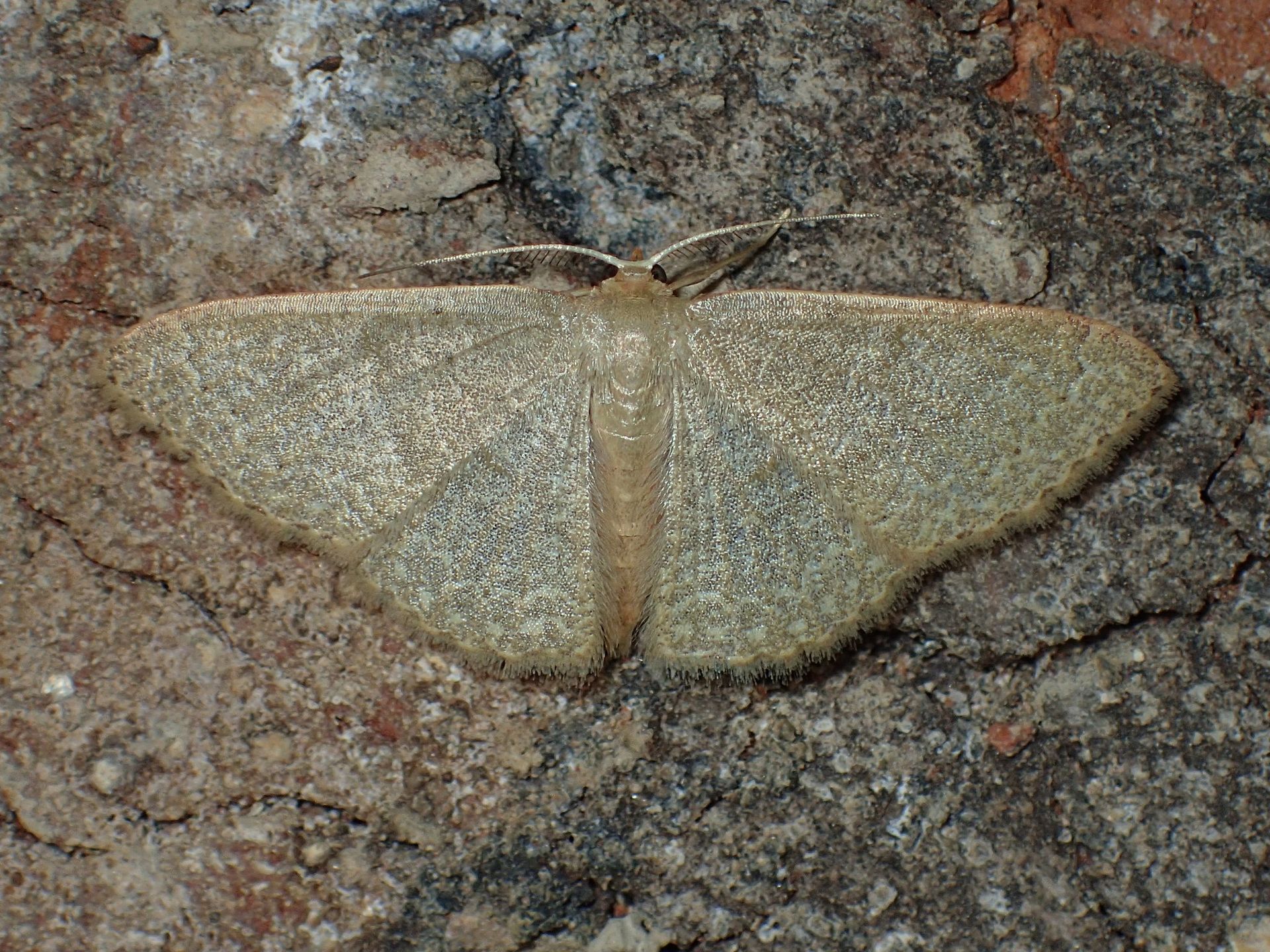
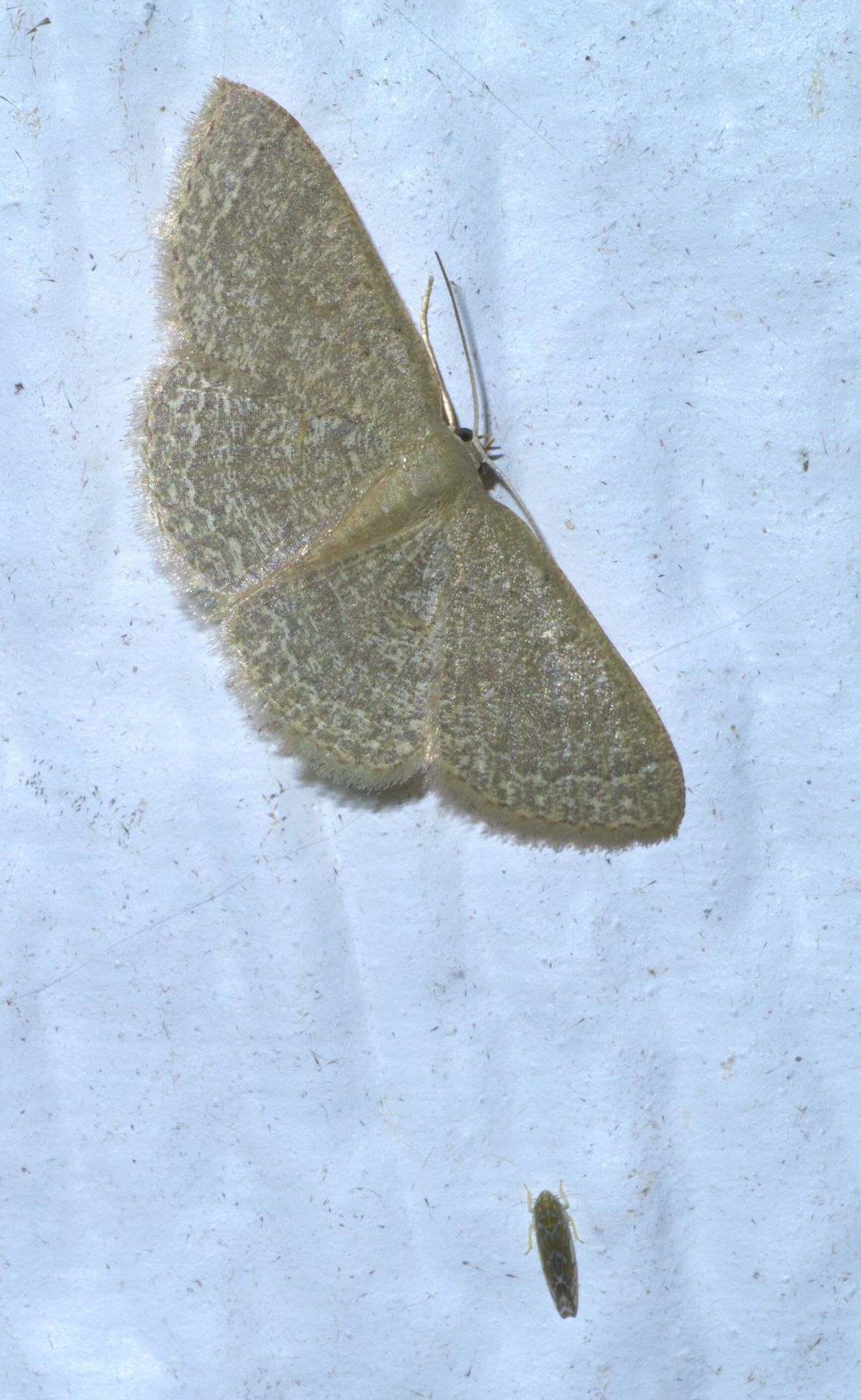
Pleuroprucha insulsaria, known as the Common Tan Wave, is a small geometrid with a broad distribution spanning eastern North America through Central and South America to the Galápagos Islands. are active from spring through fall, with timing varying by latitude. The is notable for its larval feeding habits across multiple plant .
Pronunciation
How to pronounce Pleuroprucha insulsaria: /ˌplʊəroʊˈpruːkə ˌɪnsəlˈsɛərɪə/
These audio files are automatically generated. While they are not always 100% accurate, they are a good starting point.
Identification
Distinguished from similar wave moths (Sterrhinae) by its small size, uniform tan coloration without strong contrasting markings, and the specific pattern of wavy lines. The combination of small wingspan (under 21 mm) and plain tan appearance separates it from larger or more patterned geometrids in the same range.
Images
Appearance
Small with wingspan of 14–21 mm. Forewings tan to light brown with subtle wavy transverse lines. Hindwings paler, often with faint discal spot. Overall coloration provides camouflage against bark and dried leaves.
Habitat
Occurs in varied environments including woodlands, forest edges, shrublands, and agricultural areas. Larval plant diversity suggests adaptability to disturbed and natural alike.
Distribution
Eastern North America from Nova Scotia to Florida, west to Texas and Colorado, north to Ontario. Extends south through Mexico, Central America, and South America to Venezuela and the Galápagos Islands. Present in West Indies including Jamaica.
Seasonality
active March or April through October in southern range; June through October in northern range. Multivoltine with overlapping in warmer regions.
Diet
Larvae feed on diverse plants including Solanum dulcamara (bittersweet nightshade), Galium (bedstraws), Zea mays (corn), Solidago species (goldenrods), Castanea (chestnut), Quercus (oaks), and Salix (willows).
Host Associations
- Solanum dulcamara - larval food plantbittersweet nightshade
- Galium - larval food plantbedstraws
- Zea mays - larval food plantcorn; agricultural pest association
- Solidago - larval food plantgoldenrods
- Castanea - larval food plantchestnuts
- Quercus - larval food plantoaks
- Salix - larval food plantwillows
Life Cycle
Complete with , larva, pupa, and stages. Multiple per year in warmer climates; fewer in northern range. stage not explicitly documented in sources.
Behavior
are and attracted to light. Larvae are feeders, moving among plants. No specialized such as mimicry or aposematism reported.
Ecological Role
Larvae function as herbivores, potentially contributing to nutrient cycling through leaf consumption. serve as prey for including bats and birds. Pollination role minimal given small size and nocturnal activity.
Human Relevance
Occasional minor pest of corn (Zea mays). Otherwise of limited economic significance. Frequently encountered in light-trap surveys and citizen science observations due to broad distribution and abundance.
Similar Taxa
- Other Sterrhinae wave mothsSimilar wavy wing patterns, but distinguished by size, color uniformity, and specific line patterns
- Scopula speciesSmall geometrids with similar habits, but typically show more distinct spotting or different wing shape
More Details
Taxonomic Note
Originally described as Acidalia insulsaria by Guenée in 1857 (sometimes cited as 1858). Basionym reflects former placement in Acidalia.
Observation Frequency
Highly documented with over 23,000 iNaturalist observations, indicating commonness and broad .