
Pleuroprucha
Möschler, 1890
Species Guides
2- Pleuroprucha asthenaria(Asthene Wave)
- Pleuroprucha insulsaria(Common Tan Wave)
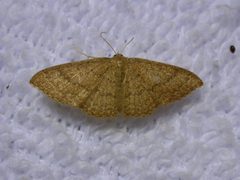
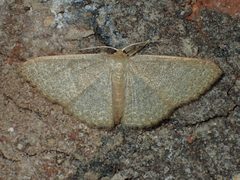
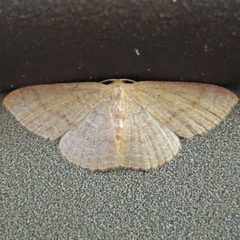
Pleuroprucha is a of in the Geometridae, Sterrhinae, first described by Möschler in 1890. The genus contains at least two recognized : P. asthenaria and P. insulsaria. It is classified within the geometer moths, a large and diverse group characterized by slender bodies and broad wings. The genus has accumulated substantial observation records, suggesting it is relatively common or widespread in its range.
Pronunciation
How to pronounce Pleuroprucha: /ˌplʊəroʊˈpruːkə/
These audio files are automatically generated. While they are not always 100% accurate, they are a good starting point.
Identification
Distinguished from other Sterrhinae by genitalic characters; -level identification requires examination of male genitalia and wing pattern details. P. asthenaria and P. insulsaria differ in forewing pattern and size, though precise field separation is challenging without close examination.
Images
Distribution
New World distribution; occur in the Americas. P. insulsaria ranges from the southern United States through Central America and into South America. P. asthenaria has been recorded in the Caribbean and Central and South America.
Similar Taxa
- Other Sterrhinae genera (e.g., Idaea, Scopula)Similar wing shape and resting posture; Pleuroprucha distinguished by genitalic and specific wing pattern elements
- Pleuroprucha asthenaria vs. P. insulsariaCongeneric requiring careful examination of forewing pattern, size, and male genitalia for reliable separation
More Details
Taxonomic history
Established by Heinrich Benno Möschler in 1890 based on South American material. The has remained relatively small, with only two widely recognized , though some sources suggest additional undescribed or synonymized may exist.