Eupithecia gelidata
Möschler, 1860
Frosted Pug
Eupithecia gelidata is a small geometrid with a wingspan of 17–22 mm, distributed across northern and arctic regions. are active from June to mid-July, with one per year. Larval plant associations vary geographically: South Bohemian are obligatorily associated with Ledum palustre, while subarctic and boreal populations use Salix spp. as alternative hosts. The has been documented visiting apple flowers, contributing to pollination services.
Pronunciation
How to pronounce Eupithecia gelidata: /juːˈpɪθiə ˈdʒɛlɪˌdeɪtə/
These audio files are automatically generated. While they are not always 100% accurate, they are a good starting point.
Identification
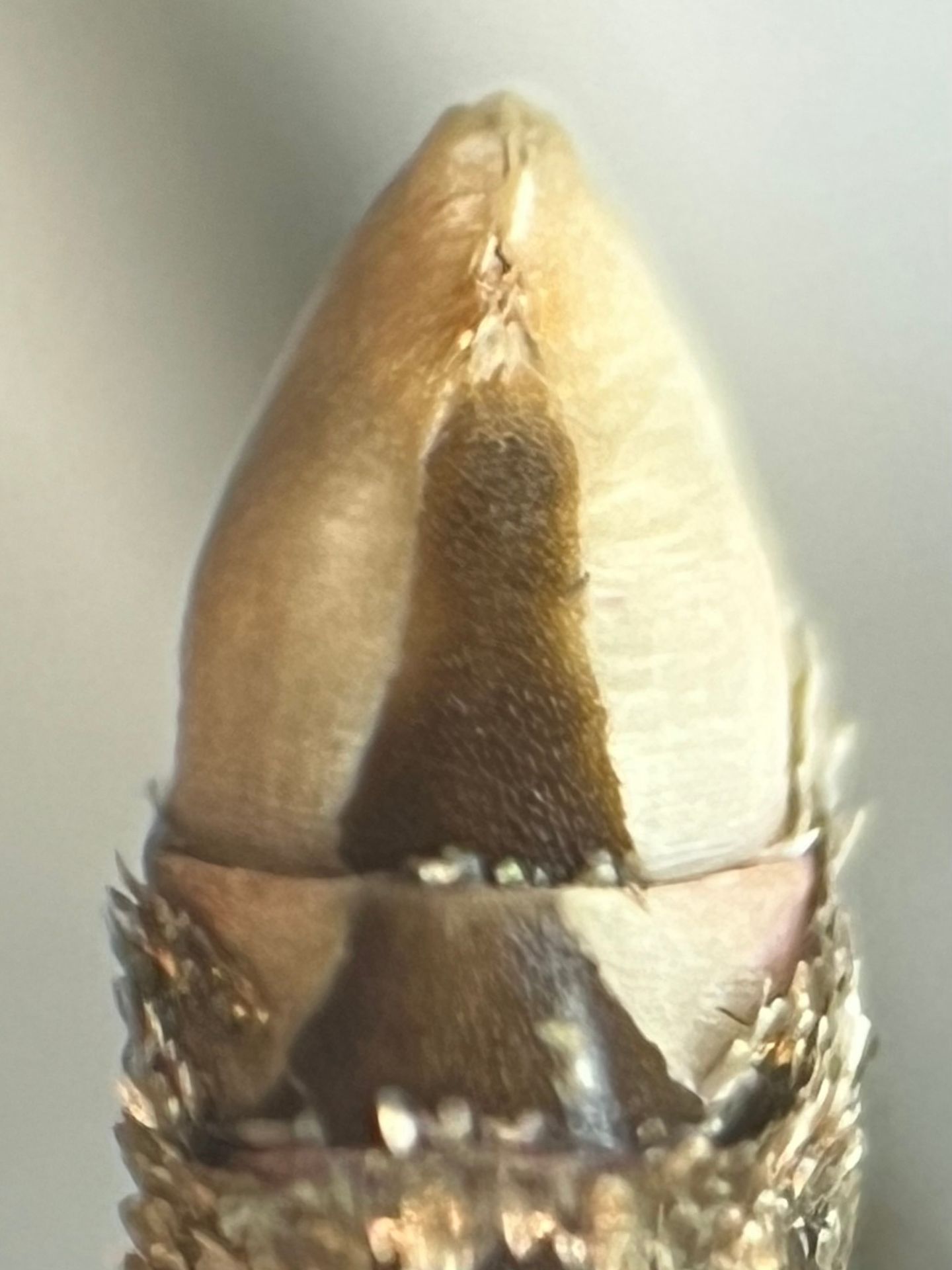
Recognizable as a 'pug' by narrow forewings and characteristic resting posture with wings held flat or slightly folded. Distinguished from similar Eupithecia by geographic range (northern /arctic) and (June–July period). Genitalia dissection typically required for definitive species-level identification within the . E. g. hyperboreata occurs in Europe, northern Russia, and Greenland.
Images
Appearance
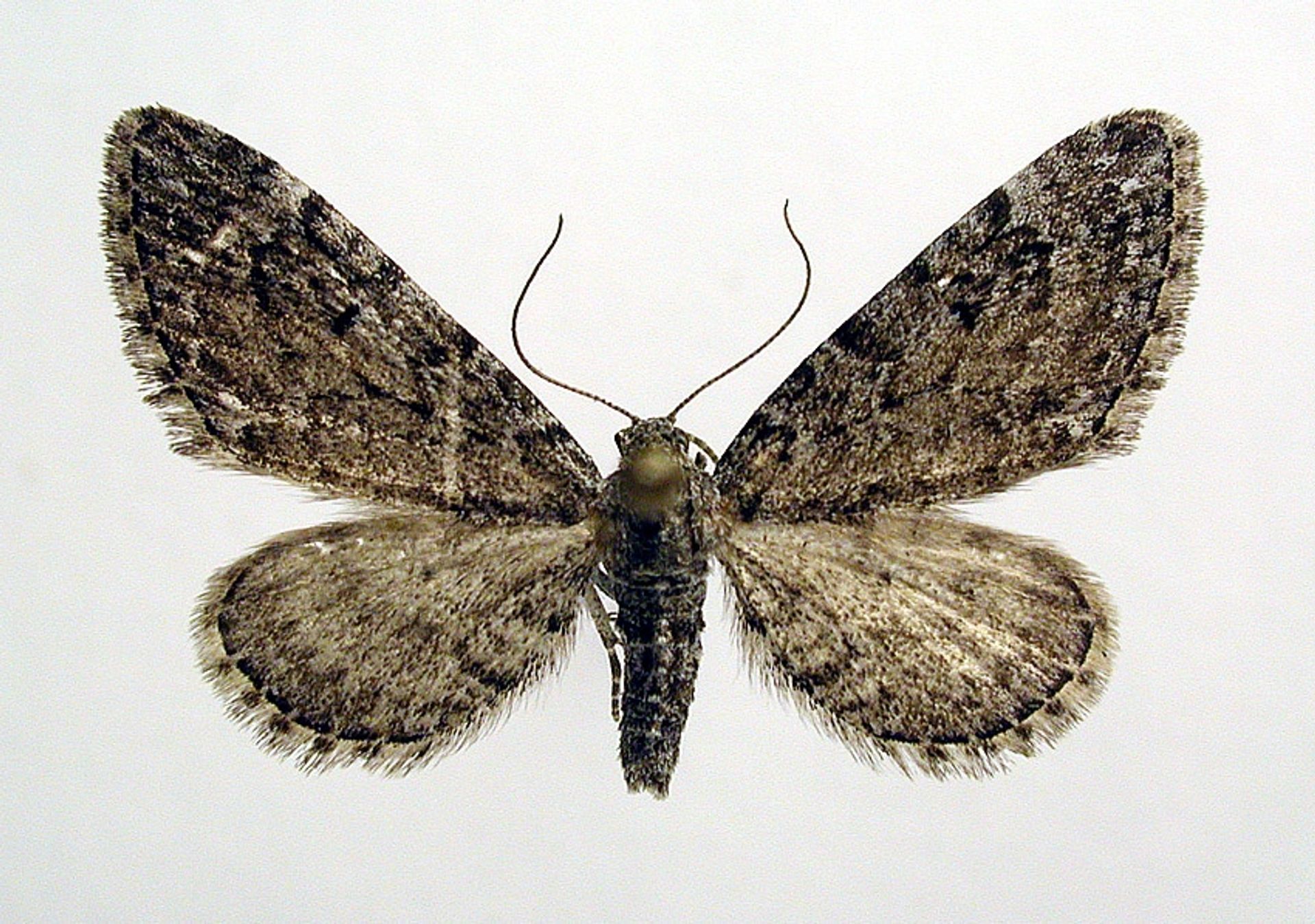
Small with wingspan 17–22 mm. Forewings narrow, typical of Eupithecia 'pug' moths. exhibit cryptic coloration consistent with . Larval coloration varies depending on plant: larvae feeding on Ledum palustre differ in color from those feeding on Salix spp.
Habitat
and subarctic including bogs, fens, and moist heathlands. South Bohemian occur in relict bog habitats where Ledum palustre dominates. Found in areas with suitable plants: Ledum palustre in Central European relict populations, various Salix in more northerly regions.
Distribution
Northern North America (Alberta, Manitoba, Saskatchewan), Greenland, northern Russia, Scandinavia, and northern central Europe. Includes relict bog in South Bohemia.
Seasonality
. on wing from June to mid-July. Larvae present from mid-July to August. Overwinters as pupa.
Diet
Larvae feed on Ledum palustre (marsh tea, obligatory in South Bohemian ) and Salix spp. (willows, alternative host in subarctic and regions). Laboratory studies confirm larvae can complete development on either host but strongly prefer Ledum palustre when available.
Host Associations
- Ledum palustre - larval plantObligatory for South Bohemian relict ; preferred host in laboratory conditions
- Salix spp. - larval plantAlternative in subarctic and regions where willows are present
Life Cycle
Complete . One per year. laid on plants. Larval development from mid-July through August. occurs in late summer; overwinters as pupa. emerge following spring/summer.
Behavior
are and have been observed visiting apple flowers, indicating nectar-feeding and potential role in nocturnal pollination. Larvae exhibit plant fidelity in natural , with clear feeding preference for Ledum palustre demonstrated in laboratory experiments.
Ecological Role
Herbivore as larva; contributes to nutrient cycling in bog and . Documented as visitor to apple flowers, suggesting role in pollination services for crops and wild plants. Serves as for including braconids in Agathidinae.
Human Relevance
Potential of agricultural crops including apple. Larvae not considered economically significant pests. Subject of ecological research regarding plant specialization and geographic variation in food plant use.
Similar Taxa
- Other Eupithecia speciesMany 'pug' share narrow wing and small size; genitalia examination typically required for definitive identification
- Eupithecia gelidata hyperboreataRecognized occurring in Europe, northern Russia, and Greenland; distinguished by geographic range
More Details
Geographic variation in host use
show striking geographic variation in plant . South Bohemian relict populations are isolated in bogs and depend entirely on Ledum palustre, while northern populations retain flexibility to use Salix. This represents one of the better-documented cases of host race formation or incipient ecological speciation in the .
Taxonomic homogeneity
Despite differences in plant use and larval coloration between , the appears taxonomically homogeneous. No have been erected based on host plant differences.
Sources and further reading
- BugGuide
- Wikipedia
- GBIF taxonomy match
- iNaturalist taxon
- NCBI Taxonomy
- Catalogue of Life
- Eupithecia sp. moth on apple flower - Entomology Today
- P.M. Pollinators: Study Shines Light on Nocturnal Insects' Role in Apple Production
- Bug Eric: New Mexico Night Bugs
- Bug Eric: Wasp Wednesday: Agathidinae
- Geographical variation in food plant selection of <i>Eupithecia gelidata</i> Möschler, 1860 (Lepidoptera, Geometridae)