
Eupitheciini
Tutt, 1896
Pug Moths, Pugs
Genus Guides
5- Eupithecia(pug moths)
- Horisme
- Nasusina
- Pasiphila
- Prorella
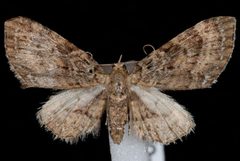
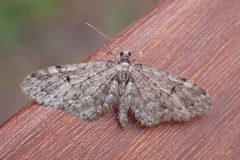
Eupitheciini is a tribe of geometer moths in the Larentiinae, commonly known as pugs. With approximately 1,900 described distributed across 47 , it is the most species-rich tribe in the Geometridae. The genus Eupithecia alone contains roughly 1,400 species and is one of the largest insect genera globally. Members are typically small with narrow wings and cryptic coloration. Identification relies heavily on genitalia dissection due to morphological homogeneity among species.
Pronunciation
How to pronounce Eupitheciini: //juːˌpɪˈθiːsɪˌaɪnaɪ//
These audio files are automatically generated. While they are not always 100% accurate, they are a good starting point.
Identification
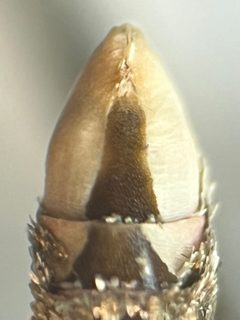
Identification to requires examination of male and female genitalia due to extreme morphological similarity; external characters alone are unreliable for most species. Wing pattern elements (presence/absence of discal spot, strength of transverse lines, wing shape) provide preliminary sorting. Genitalia structure—particularly shape of valva, , and signum—provides definitive characters. Reference to regional monographs and genitalia plates essential. Some species groups defined by larval plant associations.
Images
Habitat
Diverse including temperate and forests, woodlands, scrublands, grasslands, alpine meadows, coastal dunes, and urban gardens. Many associated with specific plants: coniferous forests (juniper, pine, spruce), deciduous woodlands (various trees and shrubs), heathlands, and wetlands. Elevation range from sea level to high mountains.
Distribution
Global distribution across all major biogeographic regions. : Palaearctic (487 ), Oriental (397 species, especially Himalayan region), Neotropical (346 species), Australian (251 species), Afrotropical (198 species), Nearctic (166 species). Generic diversity peaks in Australian (38 , 11 ) and Oriental (32 genera, 4 endemic) regions; Neotropical region possibly contains only one genus. Eupithecia dominates numerically in Palaearctic (95% of tribe species) but represents only ~2% in Australian region.
Seasonality
activity varies by and latitude. Temperate species typically fly from spring through autumn, with peak diversity in summer months. Some species with discrete periods; others or multivoltine. Tropical species may fly year-round. Larval feeding period generally synchronized with plant .
Diet
Larvae feed on diverse vascular plants including conifers (Juniperus, Pinaceae), flowering trees and shrubs (Rosaceae, Salicaceae, Betulaceae, Ericaceae), and herbaceous plants. Many are monophagous or oligophagous on specific . feeding habits poorly documented; some species visit flowers for nectar, others may not feed.
Host Associations
- Juniperus - larval plantMultiple Eupithecia associated with juniper, including E. iberica and E. sardoa species group
- Pinaceae - larval plantVarious conifer-feeding pug
- Rosaceae - larval plantNumerous on roses, hawthorns, and related
- Salicaceae - larval plantWillow and poplar feeders common in northern regions
- Ericaceae - larval plantHeathland and moorland
Life Cycle
Complete with , larva, pupa, and stages. Eggs laid singly or in small groups on plant. Larvae typically slender, twig-mimicking inchworms (loopers) with reduced , moving with characteristic looping gait. usually in soil or leaf litter, sometimes in silken cocoon. Some overwinter as eggs, others as larvae or pupae. Voltinism varies: , , or multivoltine depending on species and climate.
Behavior
generally , attracted to light. Some . Resting posture with wings held flat, often pressed tightly against substrate for camouflage. Larvae cryptic, resembling twigs or stems; when disturbed, may freeze in extended posture or drop from plant on silken thread. typically weak and fluttering, with rapid wing beats.
Ecological Role
Larvae function as primary consumers, defoliating plants; generally not economically significant pests due to low densities. Some may reach levels locally. Serve as prey for insectivorous birds, bats, and . contribute to pollination where nectar-feeding occurs.
Human Relevance
Of minor economic importance; some occasionally damage ornamental conifers or fruit trees. Primary significance is taxonomic and ecological: the group serves as a model for studying cryptic , speciation, and molecular due to its enormous and morphological conservatism. Attracted to artificial light, contributing to survey and monitoring programs. Some species used as indicators of quality or climate change effects.
Similar Taxa
- MelanthiiniFormerly included now placed here; share Larentiinae features but differ in genitalia structure and larval
- AstheniniFormer Eupitheciini (Eois, Parasthena, Poecilasthena, Polynesia) now placed here; generally more delicate build with different wing venation
More Details
Taxonomic challenges
High synonymy rates (64% in Europe, 39% in North America) reflect historical difficulty in delimitation based on external alone. Equatorial regions show lower synonymy (Neotropical 9%, Afrotropical 8%) due to less intensive study. Molecular methods increasingly reveal cryptic species, as demonstrated by Eupithecia iberica described from Spain based on genetic differentiation from E. sardoa despite minimal morphological divergence.
Generic composition
Tribe comprises approximately 47 , including 15 genera. Eupithecia is overwhelmingly with ~1,400 . Other notable genera include Chloroclystis, Gymnoscelis, Pasiphila, and Microdes. Nearctic fauna includes genera Nasusina and Prorella absent from other regions.
Sources and further reading
- BugGuide
- Wikipedia
- iNaturalist taxon
- British and Irish Pug Moths (Lepidoptera: Geometridae, Larentiinae, Eupitheciini): A Guide to Their Identification and Biology
- Pugs of the tribe Eupitheciini (Lepidoptera, Geometridae): the history of study and distribution over biogeographic regions
- A cryptic species of Eupithecia sardoa Dietze, 1910, in Spain: Eupithecia iberica Lévêque, Skou, Tautel & Ranki, sp. nov. (Lepidoptera: Geometridae, Larentiinae, Eupitheciini)