
Tornos
Morrison, 1875
Species Guides
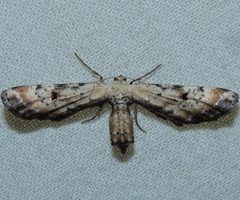
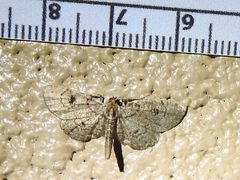
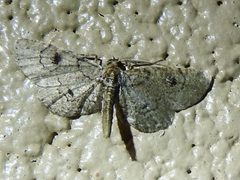
6Tornos is a of geometer moths in the Geometridae, Ennominae. The genus was established by Morrison in 1875. in this genus are characterized by relatively small size and cryptic wing patterns that provide camouflage against bark and leaf litter. The genus occurs primarily in North America, with species inhabiting forested and shrubland environments. are and attracted to light.
Pronunciation
How to pronounce Tornos: /ˈtɔr.nɔs/
These audio files are automatically generated. While they are not always 100% accurate, they are a good starting point.
Identification
Tornos are distinguished from similar small Ennominae (such as Digrammia or Isturgia) by the combination of broad, somewhat triangular forewings with fine, parallel transverse lines and a usually present but not strongly pronounced discal spot. The wing pattern lacks the bold geometric markings seen in many Digrammia species. Genitalia examination is often required for definitive species identification. Tornos can be separated from the related genus Pero by the less falcate (hooked) forewing apex and more uniform wing scaling.
Images
Habitat
Deciduous and mixed forests, woodland edges, scrublands, and riparian corridors. Larval plants include various woody shrubs and trees. are found resting on tree trunks or among leaf litter during the day.
Distribution
Primarily North America, with ranging from southern Canada through the United States and into Mexico. Individual species show varying regional distributions, with some restricted to the eastern deciduous forest biome and others to western montane or arid regions.
Seasonality
are active primarily from late spring through early autumn, with peak periods varying by and latitude. Most species are or , with earlier flight periods in southern portions of the range.
Behavior
are and readily attracted to artificial light sources. Daytime resting posture involves wings held flat or slightly tented over the body, pressed closely against bark or substrate for camouflage. Larvae are thought to be external feeders on foliage, though specific behavioral details are poorly documented for most .
Ecological Role
Larvae function as primary consumers of woody plant foliage, contributing to nutrient cycling in forest . serve as prey for including bats and night-foraging birds.
Human Relevance
No significant economic importance. Occasionally encountered by enthusiasts at light traps. Not known to be a pest of ornamental or agricultural plants.
Similar Taxa
- DigrammiaSimilar small size and cryptic coloration, but Digrammia typically display bolder, more contrasting geometric wing patterns with stronger angulation of transverse lines.
- PeroRelated in Ennominae with similar preferences, but Pero have more distinctly falcate (hooked) forewing apices and often more pronounced wing markings.
- IsturgiaOverlaps in size and general appearance; Isturgia often have more elongate forewings and reduced pattern complexity, with some species showing plainer, more uniform coloration.
More Details
Taxonomic note
The Tornos has undergone periodic revision, with some historically placed in related genera such as Pero or Macaria. Current circumscription follows Ferguson (2008) and subsequent molecular phylogenetic studies of Ennominae.
Research needs
details, including larval plant associations and stage descriptions, remain undocumented or poorly known for many Tornos . Field observations and rearing records are needed to clarify these aspects.