
Digrammia
Gumppenberg, 1887
granite moths, angle moths
Species Guides
45- Digrammia aliciata
- Digrammia atrofasciata(Broad-lined Angle)
- Digrammia burneyata
- Digrammia californiaria(California granite moth)
- Digrammia cinereola
- Digrammia colorata(creosote moth)
- Digrammia continuata(curve-lined angle)
- Digrammia curvata(Shaded Granite Moth)
- Digrammia decorata(Decorated Granite Moth)
Digrammia is a of in the Geometridae, erected by Carl Freiherr von Gumppenberg in 1887. The genus is now frequently treated as a synonym of Semiothisa, though many continue to be referenced under the Digrammia name. It includes approximately 50 described species, many of which bear referencing their angular wing patterns or granitic coloration. Species such as Digrammia californiaria (California granite moth), D. colorata (creosote moth), and D. continuata (curve-lined angle moth) are among the better documented members.
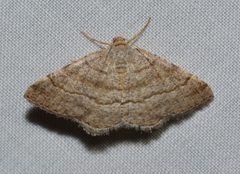
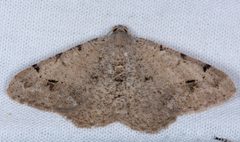
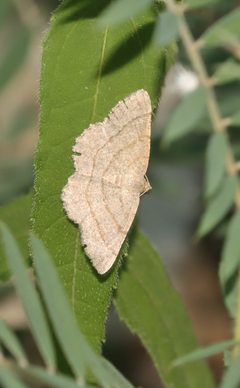
Pronunciation
How to pronounce Digrammia: /dɪˈɡræmiə/
These audio files are automatically generated. While they are not always 100% accurate, they are a good starting point.
Identification
in this are characterized by relatively broad, triangular forewings with wavy or angled transverse lines. Many species exhibit muted gray, brown, or whitish coloration with fine dark speckling, contributing to their 'granite moth' . Wing patterns typically include one or more distinct transverse lines that may be straight, curved, or angled. The genus is distinguished from related geometrids by genitalic characters, though this requires dissection and microscopic examination. Specific identification to species level often relies on the configuration of wing lines, presence or absence of discal spots, and precise coloration patterns.
Images
Habitat
occupy diverse across North America, with many associated with arid and semi-arid regions of the western United States and Mexico. Digrammia californiaria has been recorded in record numbers at backyard blacklighting stations in Davis, California, suggesting adaptability to urban and suburban environments. Several species are associated with specific plants, including creosote bush (Larrea tridentata) for D. colorata and Lotus species for D. californiaria.
Distribution
The is distributed primarily across North America, with concentration in the western United States, particularly California, Arizona, Nevada, and adjacent states. Records extend from western Canada through the United States to Mexico. Distribution records include Vermont in the eastern United States, though the genus is predominantly western in occurrence.
Seasonality
activity varies by and latitude. Digrammia californiaria has been recorded in peak numbers during summer months (July) in California's Central Valley. Blacklighting records from the Bohart Museum's Night events indicate July as a primary activity period for multiple species. Specific phenological data for most species remains poorly documented.
Diet
Larval feeding habits are documented for only a few . Digrammia californiaria is known to feed on Lotus species. Digrammia colorata (creosote ) feeds on creosote bush (Larrea tridentata). Digrammia eremiata (three-lined angle moth) and D. gnophosaria (hollow-spotted angle moth) likely feed on various woody and herbaceous plants based on related species, though specific records are sparse. The larval diet of most species remains unknown.
Host Associations
- Lotus - larval foodplantRecorded for Digrammia californiaria
- Larrea tridentata - larval foodplantCreosote bush; recorded for Digrammia colorata
Behavior
are and strongly attracted to ultraviolet light sources, as documented by repeated blacklighting observations at the Bohart Museum of Entomology. Digrammia californiaria has shown dramatic fluctuations in abundance at blacklighting stations, with 9-15 individuals recorded on single nights in some years. Adults are active during evening and night hours.
Ecological Role
As larvae, in this function as herbivores, with documented associations suggesting specialization on legumes (Fabaceae) and Zygophyllaceae. Their role in as prey for birds, bats, and insectivorous arthropods is presumed but not quantified. No species are considered major agricultural or forestry pests.
Human Relevance
Digrammia are frequently encountered by amateur entomologists and citizen scientists participating in blacklighting and National Week events. The California granite moth (D. californiaria) has been featured in public outreach by the Bohart Museum of Entomology. No species are known to cause significant economic damage, though D. colorata's association with creosote bush places it in subject to land use change.
Similar Taxa
- SemiothisaDigrammia is frequently synonymized with Semiothisa based on morphological and molecular evidence; the two share similar wing patterns and genitalic structures, requiring expert examination to distinguish.
- MacariaBoth contain 'angle ' with similar wing shapes and transverse line patterns; Macaria often show more pronounced angulation of wing margins and different genitalic .
- IsturgiaRelated geometrid with similar broad-winged appearance and muted coloration; differs in details of wing venation and male genitalia.
More Details
Taxonomic Status
The Digrammia remains in active use despite frequent synonymization with Semiothisa. Ferguson (2008) described numerous new Digrammia , indicating continued recognition of the genus by some . The relationship between Digrammia and Semiothisa requires further phylogenetic study.
Research Opportunities
data, including larval associations and stages, are unknown for the majority of . The extensive species descriptions by Ferguson (2008) were based primarily on , leaving substantial gaps in biological knowledge.
Sources and further reading
- BugGuide
- Wikipedia
- GBIF taxonomy match
- iNaturalist taxon
- NCBI Taxonomy
- Catalogue of Life
- What Will You See at Bohart Museum Open House | Bug Squad
- Blacklighting at the Bohart: They Saw the Light | Bug Squad
- Oh, What a (Moth) Night! | Bug Squad
- Bohart Open House: Like a Moth to a Flame | Bug Squad
- Mark Your Calendar for 'Moth Night' at Bohart Museum: July 30 | Bug Squad
- A Night at the Bohart Museum: Moth Night on Saturday, July 22 | Bug Squad