
Neoalcis californiaria
(Packard, 1871)
Brown-lined Looper, California Granite Moth
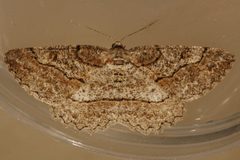
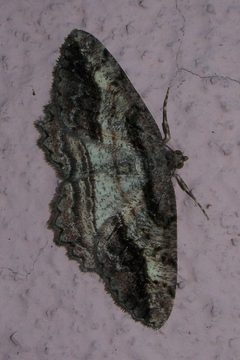
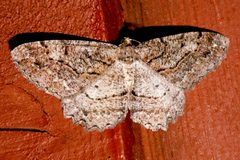
Neoalcis californiaria, commonly known as the Brown-lined Looper or California Granite , is a geometrid moth found along the west coast of North America. The was originally described as Boarmia californiaria and has been treated under the Digrammia in some sources. It is attracted to ultraviolet light and has been observed in elevated numbers during certain years. The larval plant Lotus has been documented, though complete information remains limited.
Pronunciation
How to pronounce Neoalcis californiaria: /niːoʊˈælsɪs ˌkælɪˌfɔːrniˈeɪriə/
These audio files are automatically generated. While they are not always 100% accurate, they are a good starting point.
Identification
Formerly classified under Digrammia, from which it can be distinguished by genitalic and wing pattern characteristics. The "Brown-lined Looper" refers to pattern elements on the wings. It is similar in appearance to Digrammia muscariata, with which it has been confused at blacklight surveys.
Images
Distribution
West coast of North America, from California north to British Columbia. Documented from the UC Davis area in California.
Diet
Larvae have been documented feeding on Lotus . Additional plants may exist but have not been confirmed.
Host Associations
- Lotus - larval food plantdocumented ; other plants possibly used
Behavior
are attracted to ultraviolet light at night. Has been observed in -level numbers at backyard blacklight stations, with one observer recording 15 individuals on a single night.
Human Relevance
Subject of public engagement events during National Week. Attracted to residential blacklight setups, making it accessible for citizen science observation.
Similar Taxa
- Digrammia muscariataSimilar appearance and shared former classification; both attracted to blacklights and occur in same region