Hulstina xera
Rindge, 1970
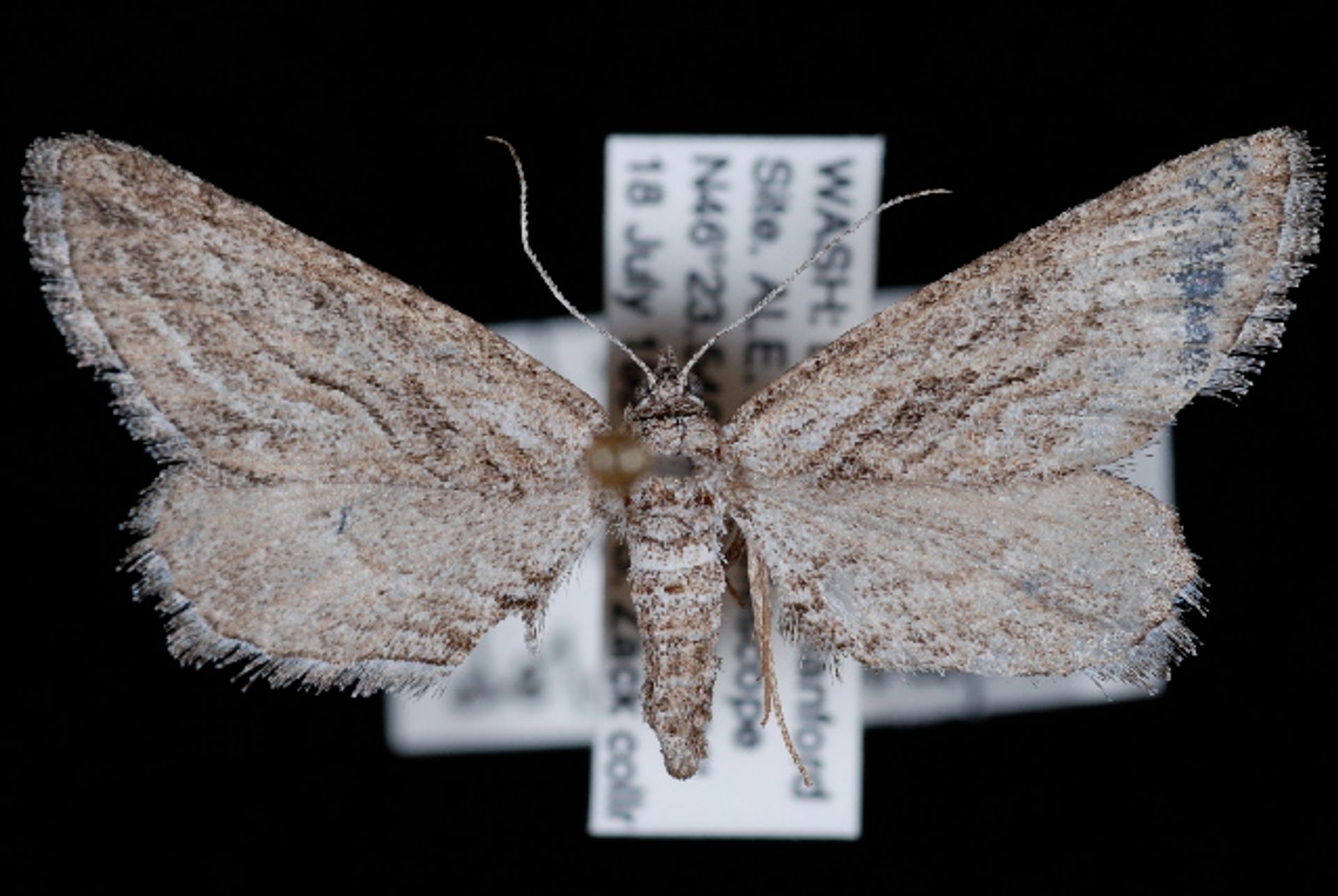
Hulstina xera is a of geometrid in the Geometridae, Ennominae. It was described by Rindge in 1970. The species is known from North America. Like other geometrid moths, likely have the characteristic slender bodies and broad wings typical of the family. Very little specific biological information has been published for this species.
Pronunciation
How to pronounce Hulstina xera: /hʌlˈstiːnə ˈzɪrə/
These audio files are automatically generated. While they are not always 100% accurate, they are a good starting point.
Identification
Hulstina xera can be distinguished from other Hulstina by genitalia and specific wing pattern characteristics established in the original description by Rindge (1970). The Hulstina belongs to the tribe Boarmiini within Ennominae, and species identification typically requires examination of male genitalia and forewing pattern elements. No field identification guides specifically covering this species are known.
Images
Distribution
North America. Specific locality data from the original description and subsequent records are sparse. The epithet 'xera' (from Greek 'xeros', meaning dry) may suggest an association with arid or xeric environments, though this has not been explicitly confirmed in published sources.
Similar Taxa
- Hulstina formosataHulstina formosata is the type of the and occurs in western North America; H. xera was described later and distinguished from it by Rindge based on differences in male genitalia and wing pattern.
- Other Boarmiini genera such as Iridopsis and Anavitrinella contain superficially similar brown geometrid moths with mottled forewings; definitive separation requires examination of genitalia and detailed wing venation.
More Details
Taxonomic history
Hulstina xera was described by Rindge in 1970 as part of his revisionary work on North American geometrid moths. The Hulstina was established by Rindge in 1968, replacing the preoccupied name Hulstia. The epithet 'xera' derives from Greek 'xeros' (dry), though Rindge did not explicitly state the etymological reference in the original description.
Data limitations
This is represented by very few specimens in collections and has been recorded in only 3 observations on iNaturalist as of the knowledge cutoff. No published studies have examined its , , or . Most information about the comes from Rindge's original taxonomic descriptions.