
Plagodis phlogosaria
(Guenée, [1858])
scorched wing, straight-lined plagodis, Straight-lined Plagodis Moth
Plagodis phlogosaria is a geometrid widely distributed across North America. have a wingspan of 28–38 mm and are active from April to August. Larvae feed on the foliage of several deciduous trees and shrubs. The is recognized by six described with varying geographic ranges.
Pronunciation
How to pronounce Plagodis phlogosaria: /ˈplæɡoʊdɪs ˌfloʊɡoʊˈsɛəriə/
These audio files are automatically generated. While they are not always 100% accurate, they are a good starting point.
Identification
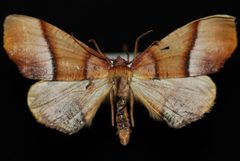
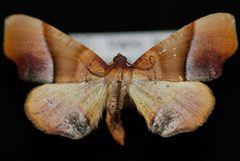
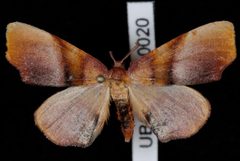
Distinguished from similar Plagodis by the straight, unbroken transverse line on the forewing (not angled or wavy). The 'scorched' appearance refers to the dark, somewhat burned-looking wing margins in some individuals. identification requires examination of genitalia or geographic provenance.
Images
Appearance
wingspan 28–38 mm. Forewings typically brown or grayish with a straight, dark transverse line that gives the its . Hindwings paler, often with similar but fainter markings. Overall coloration variable, ranging from light tan to dark brown. Body relatively slender, typical of Geometridae.
Habitat
Deciduous and mixed woodlands, forest edges, riparian corridors, and suburban areas with tree presence. Associated with supporting alder, birch, cherry, and willow.
Distribution
Present across North America except the far southern United States, Yukon, and Alaska. Documented in Canadian provinces including Alberta, Manitoba, and Saskatchewan, and U.S. states including Vermont. Six occupy different regions: P. p. iris, P. p. bowmanaria, P. p. approximaria, P. p. keutzingaria, P. p. purpuraria, and P. p. illinoiaria.
Seasonality
fly from April to August; exact timing varies by latitude and elevation. Single or possibly double brooded depending on location.
Diet
Larvae feed on leaves of alder (Alnus), basswood (Tilia), birch (Betula), black cherry (Prunus serotina), chokecherry (Prunus virginiana), hazel (Corylus), and willow (Salix). feeding habits unknown.
Host Associations
- Alnus - larval alder
- Tilia - larval basswood
- Betula - larval birch
- Prunus serotina - larval black cherry
- Prunus virginiana - larval chokecherry
- Corylus - larval hazel
- Salix - larval willow
Life Cycle
Complete with , larva, pupa, and stages. Larvae are foliage feeders on deciduous trees. likely occurs in soil or leaf litter, though specific details are not well documented. stage uncertain.
Behavior
are and attracted to light. Larvae are external leaf feeders, consuming foliage of plants.
Ecological Role
Larvae function as primary consumers, converting tree and shrub foliage into . may serve as prey for bats, birds, and other . Contribution to nutrient cycling through herbivory and subsequent decomposition.
Human Relevance
Occasional minor defoliator of ornamental and forest trees; not considered economically significant. frequently encountered at light traps and in surveys. Subject of citizen science documentation through platforms such as iNaturalist.
Similar Taxa
- Plagodis alcoolariaSimilar size and coloration, but forewing transverse line is more angled or curved rather than straight
- Plagodis pulverariaDistinguished by more diffuse wing patterning and lack of prominent straight transverse line
More Details
Subspecies
Six have been described, reflecting geographic variation across the ' broad range: P. p. iris, P. p. bowmanaria, P. p. approximaria, P. p. keutzingaria, P. p. purpuraria Pearsall, and P. p. illinoiaria. The validity and diagnostic characters of some subspecies may require further study.
Observation Records
Well-documented with over 4,800 observations on iNaturalist, indicating it is frequently encountered and relatively common within its range.