Scythris fuscicomella
(Clemens, 1860)
flower moth
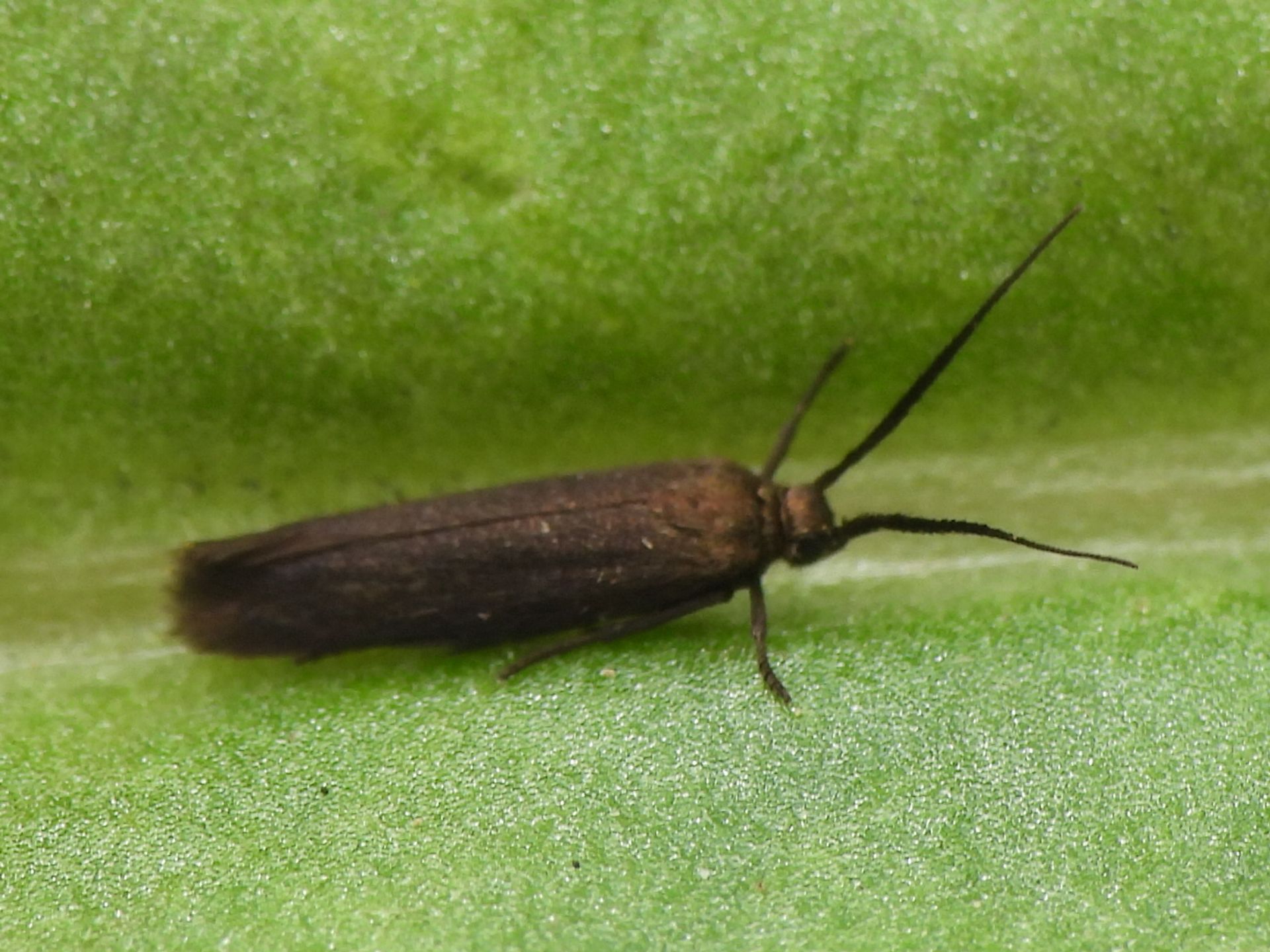
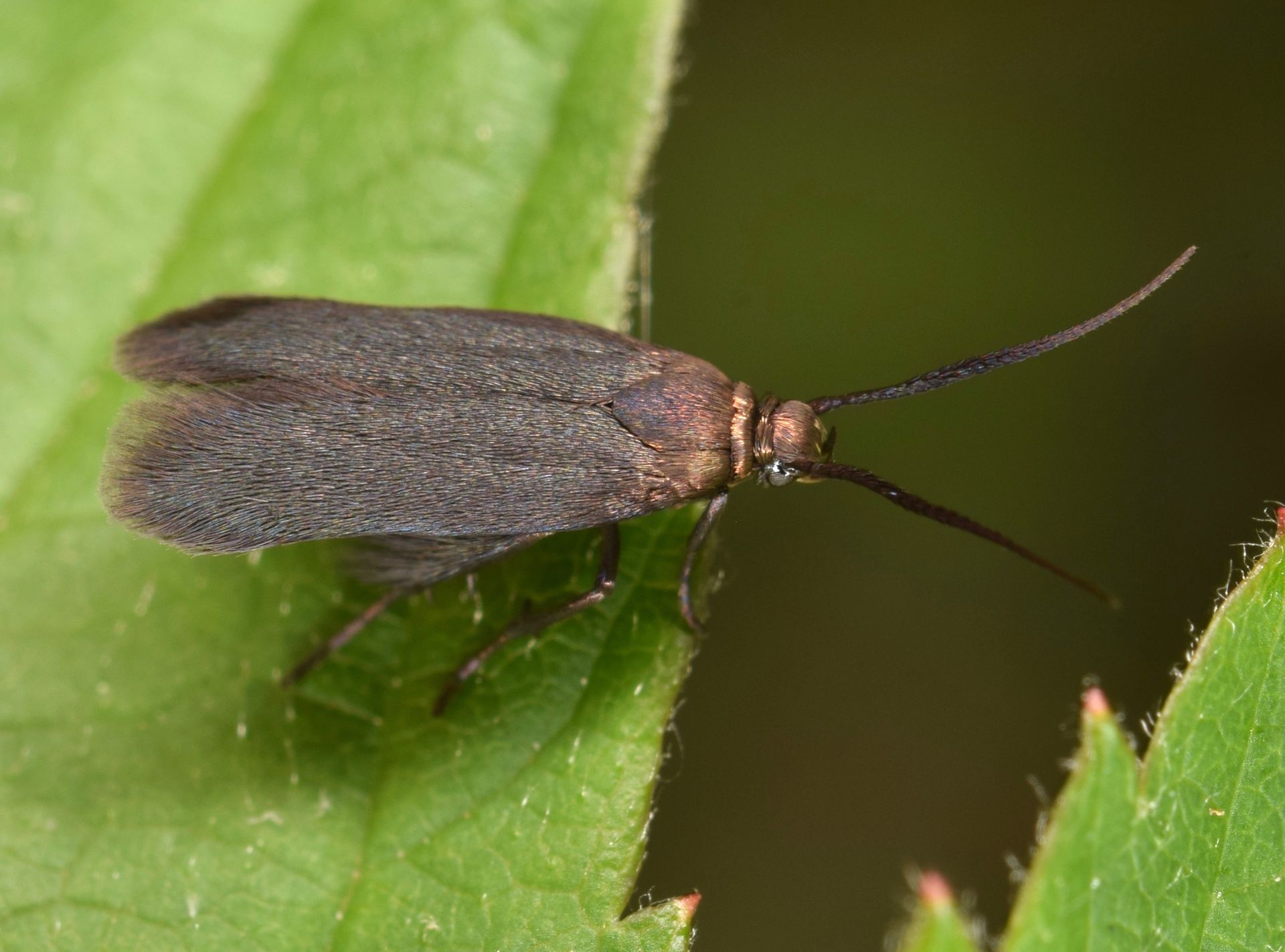
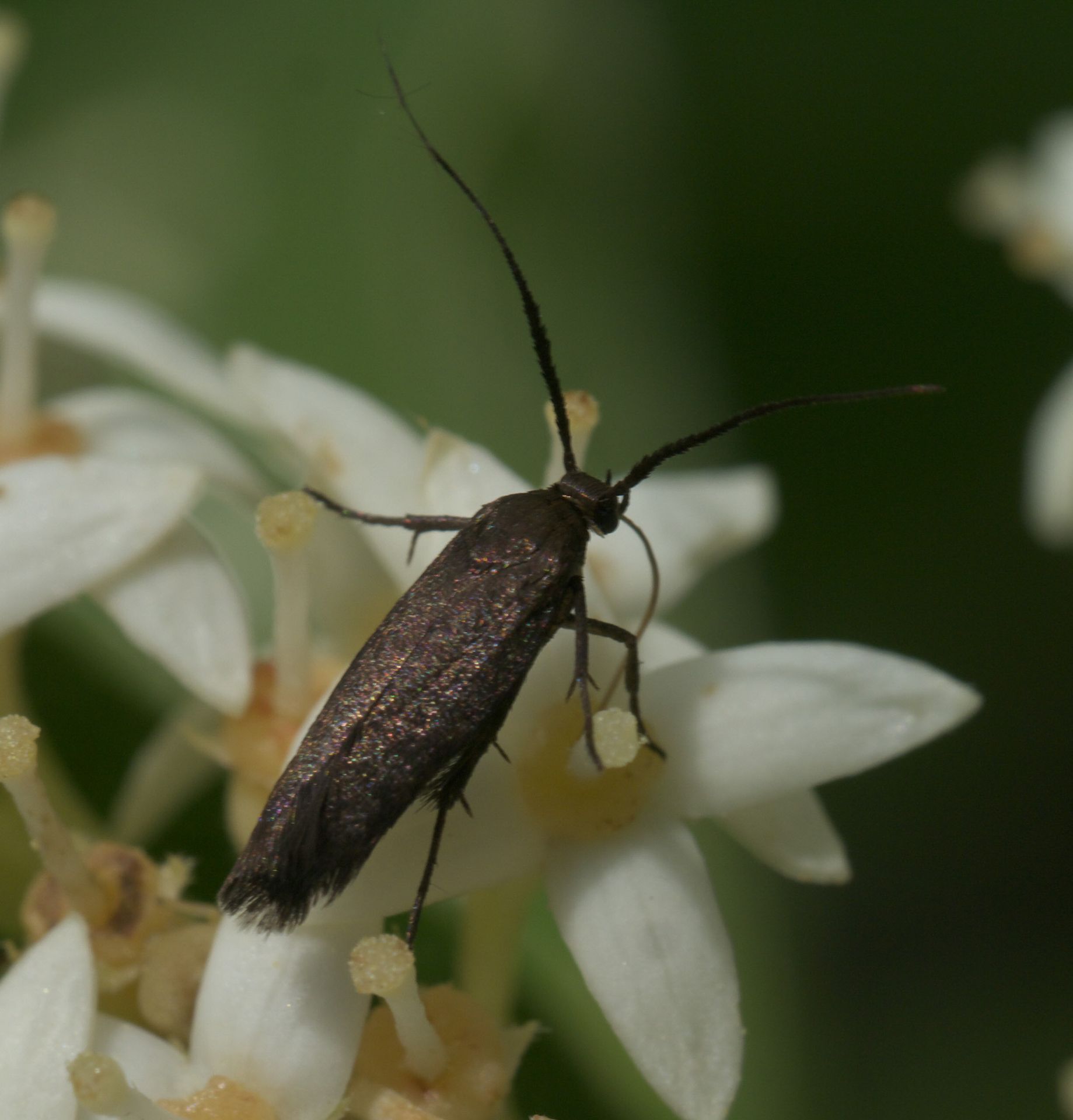
Scythris fuscicomella is a of flower moth in the Scythrididae, described by Clemens in 1860. It is a microlepidopteran with typically measuring 4–5 mm in length. The species has been recorded from Manitoba, Canada, and is associated with composite flowers in prairie . Adults are active in late summer and early fall.
Pronunciation
How to pronounce Scythris fuscicomella: /ˈsɪθrɪs ˌfʊsɪkəˈmɛlə/
These audio files are automatically generated. While they are not always 100% accurate, they are a good starting point.
Identification
Extremely small size (4–5 mm) distinguishes Scythris fuscicomella from most other . Within Scythrididae, -level identification requires examination of genitalia; the Scythris contains many undescribed or poorly documented species. Scythris mixaula, abundant in western states, feeds on cactus and is not known from the Great Basin region. Accurate identification of S. fuscicomella likely requires reference to original description or examination.
Images
Appearance
are extremely small , approximately 4–5 mm in total body length. Members of the Scythris have narrow, elongated wings and a slender body form. The specific epithet "fuscicomella" (dark-haired) suggests dark scaling on the or , though detailed coloration patterns for this are not well documented in available sources.
Habitat
Prairie and grassland environments, particularly areas with composite shrubs bearing small yellow flowers. Has been observed on broom snakeweed (Gutierrezia sarothrae) and other Asteraceae. Clay banks and dry embankments in mixed-grass prairie regions appear to provide suitable conditions.
Distribution
Recorded from Manitoba, Canada. The broader North American distribution is poorly documented; related in the occur across western and central United States.
Seasonality
have been observed in late August and early September. Activity coincides with flowering period of composite plants in prairie .
Host Associations
- Gutierrezia sarothrae - flower visitor observed on flowers
- Asteraceae - associated-level association based on -level patterns
Behavior
are or flower visitors, actively moving among small yellow composite flowers. They exhibit a nervous disposition and are easily disturbed. The occurs in dense on flowering shrubs when conditions are suitable.
Ecological Role
likely function as of composite flowers during late summer flowering periods. The ecological role of larval stages is unknown for this ; related Scythris species are internal feeders (leaf miners) on Asteraceae.
Human Relevance
No documented economic or medical significance. Of interest to entomologists and naturalists studying prairie microlepidopteran diversity. The MONA/Hodges number 1659 facilitates cataloging in North American collections.
Similar Taxa
- Scythris mixaulaSimilar size and appearance; distinguished by geographic range (western states, associated with cactus) and genitalia
- Neoscythris spp.Overlaps in size, , and ; requires genital dissection for separation
- Landryia spp.Similar microlepidopteran flower moths; Landryia have strikingly asymmetrical genitalia
More Details
Taxonomic uncertainty
The Scythris contains dozens of known to , many of which remain undescribed. Powell (2009) noted that most genera in this group have 4–6 described species but dozens known from collections. Scythris fuscicomella may be part of this larger undescribed diversity, and accurate identification requires specialist knowledge.
Photographic documentation
The has been documented photographically in situ on flowers, though the small size and active make field photography challenging. Wind conditions in prairie further complicate image acquisition.