Exoteleia
Wallengren, 1881
Species Guides
6- Exoteleia anomala(ponderosa pine needle miner)
- Exoteleia californica
- Exoteleia chillcotti
- Exoteleia dodecella(pine bud moth)
- Exoteleia graphicella
- Exoteleia pinifoliella(pine needleminer)
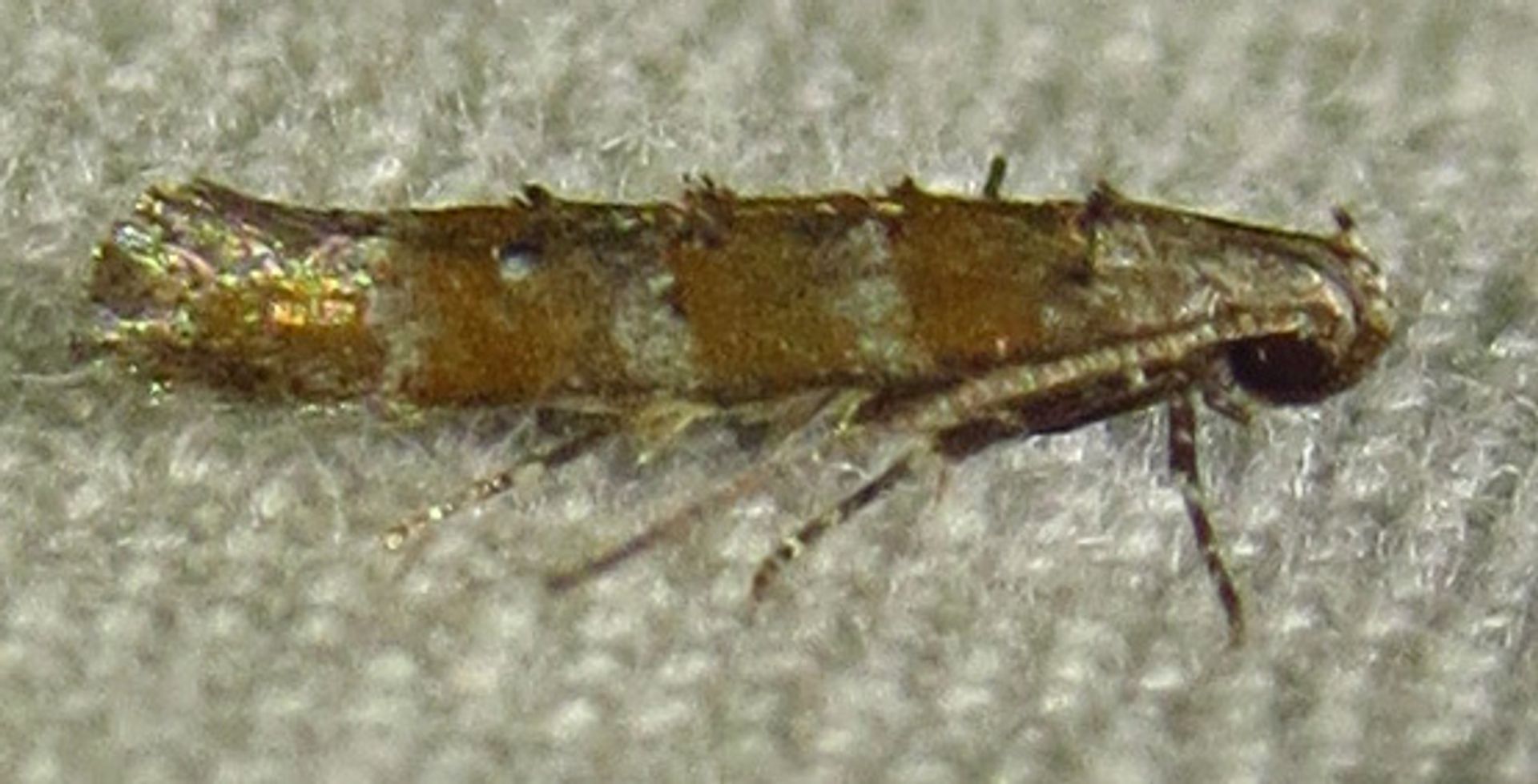
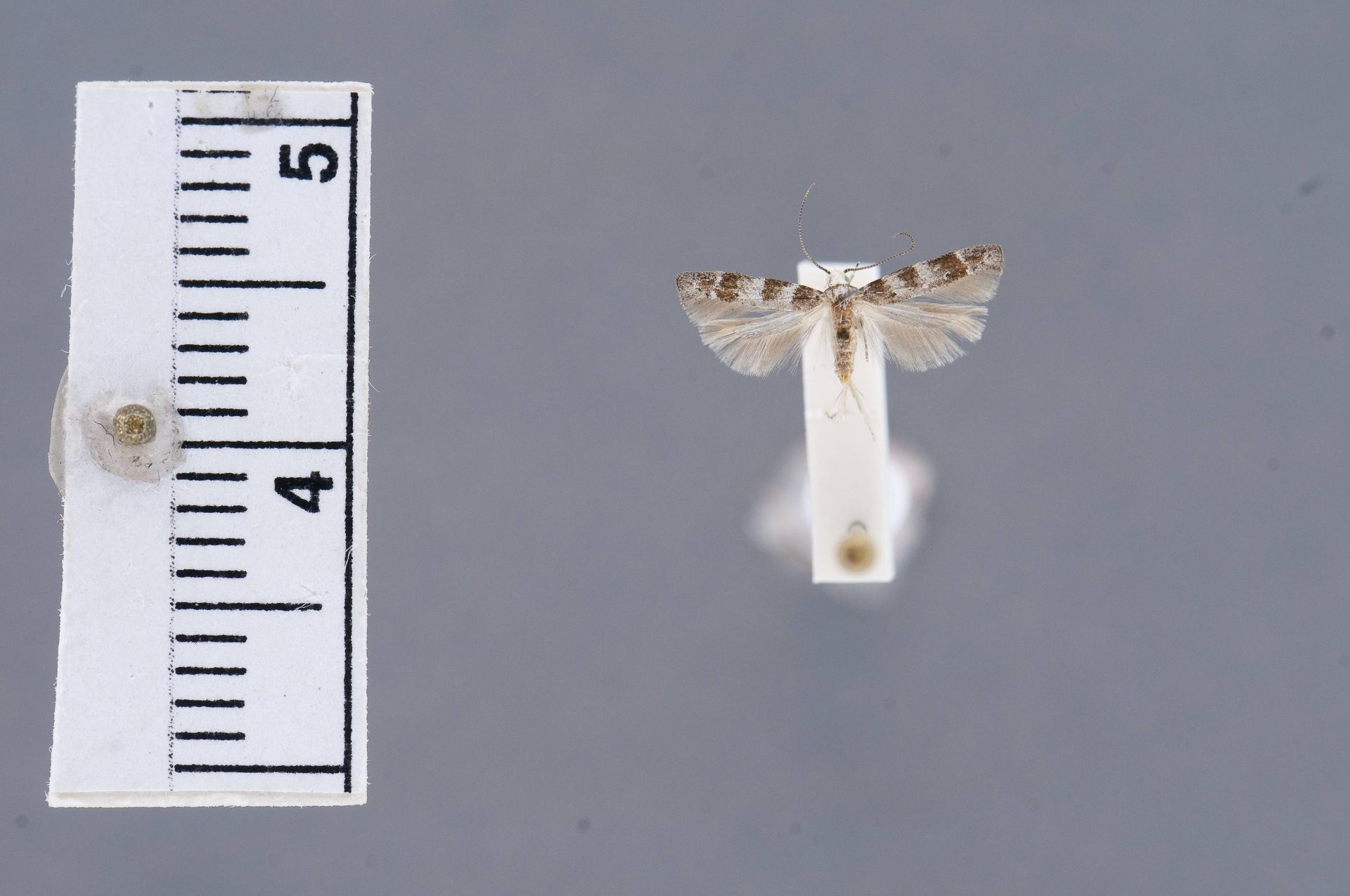
Exoteleia is a of small in the Gelechiidae, established by Wallengren in 1881. in this genus are associated with coniferous , particularly pines (Pinus), where larvae function as needle miners and bud feeders. Several species are recognized as economic pests of plantation, ornamental, and Christmas tree pines in North America and Europe. The genus includes at least nine described species distributed across the Holarctic region.
Pronunciation
How to pronounce Exoteleia: /ɛksoʊˈtiːliə/
These audio files are automatically generated. While they are not always 100% accurate, they are a good starting point.
Identification
Exoteleia are distinguished from other gelechiid by genital and larval associations with Pinus. are small, narrow-winged typical of the . Species-level identification requires examination of genitalia and often larval host data; has been applied to clarify within the genus.
Images
Habitat
Coniferous forests and pine plantations; larvae develop within needles and buds of pine trees.
Distribution
Holarctic distribution: North America (including southern Ontario, Atlantic states to Georgia, Michigan), Europe (Denmark, Norway, Sweden), and introduced in North America from European origin.
Seasonality
of E. nepheos active mid-June to mid-August; peak at 1060 ± 32 degree days above 52°F threshold. Other likely have similar summer periods.
Diet
Larvae feed on pine needles (Pinus ), mining within needles during early instars and entering buds during spring growth flush.
Host Associations
- Pinus sylvestris - larval Scotch pine; primary of E. nepheos
- Pinus - larval Multiple pine utilized by various Exoteleia species
- Copidosoma deceptor - Encyrtid parasitizing E. nepheos larvae; major agent
Life Cycle
deposited in needle or along twigs; hatch in approximately 10 days. Larvae mine pine needles, overwinter within needles, and experience high winter mortality. occurs in spring; emerge in summer. Developmental timing is dependent.
Behavior
Larvae are endophytic feeders, mining within pine needles and entering buds during the first flush of spring growth. exhibit localized oviposition patterns, returning to same trees year after year and creating patchy distributions within stands.
Ecological Role
Defoliator and bud feeder of pine trees; acts as pest in plantation and ornamental settings. Subject to by , particularly Copidosoma deceptor.
Human Relevance
Economic pest of Christmas tree plantations, ornamental pines, and forest nurseries. Heavy cause stunted growth, tree deformation, and mortality. Target of applications; management must balance control with preservation of .
Similar Taxa
- GnorimoschemaFormerly included some Exoteleia (e.g., E. graphicella as Gnorimoschema graphicella); distinguished by genital and larval
- ParalechiaFormerly included E. californica; separated based on and larval characters
- GelechiaHistorical placement of some ; Exoteleia distinguished by pine-feeding specialization and associated morphological traits
More Details
Systematic history
The has undergone taxonomic revision with several transferred from Gelechia, Gnorimoschema, and Paralechia based on integrated studies of , stages, bionomics, and barcodes.
Pest management considerations
control of E. nepheos can negatively impact ; approaches that preserve Copidosoma deceptor may be preferable for long-term suppression.
Sources and further reading
- BugGuide
- Wikipedia
- GBIF taxonomy match
- iNaturalist taxon
- NCBI Taxonomy
- Catalogue of Life
- Control of Exoteleia nepheos with Insecticides and Their Effect Upon Its Parasitoids12
- History, Distribution, and Identification ofExoteleia dodecella(L.) (Lepidoptera: Gelechiidae) in North America, with Insights into the Systematics ofExoteleiaWallengren using Characters of the Adult, Immatures, Bionomics, and DNA Barcodes
- THE LIFE HISTORY, BIOLOGY, AND PARASITES OF THE PINE CANDLE MOTH, EXOTELEIA NEPHEOS (LEPIDOPTERA: GELECHIIDAE), ON SCOTCH PINE IN MICHIGAN
- The Effect of Needle Structure upon the Susceptibility of Hosts to the Pine Needle Miner (Exoteleia pinifoliella (Chamb.)) (Lepidoptera: Gelechiidae)