
Sphinx luscitiosa
Clemens, 1859
Clemens' Sphinx, Clemens' hawkmoth
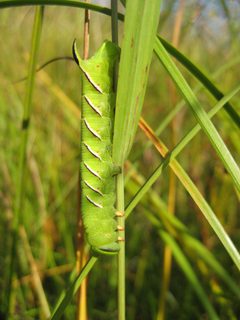
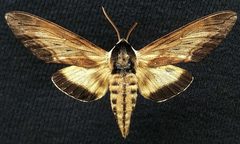
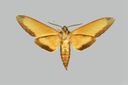
Sphinx luscitiosa, commonly known as Clemens' Sphinx or Clemens' hawkmoth, is a North American sphinx moth in the Sphingidae. It was first described by James Brackenridge Clemens in 1859. The has a single per year, with active in early summer. Larvae feed on a variety of woody plants including willow, poplar, apple, ash, bayberry, and birch.
Pronunciation
How to pronounce Sphinx luscitiosa: /ˈsfɪŋks lʌsɪtiˈoʊsə/
These audio files are automatically generated. While they are not always 100% accurate, they are a good starting point.
Identification
Distinguished from similar sphinx moths by geographic range and . The single per year with flying June–July differs from multi-generational relatives. Larval plant range (Salix, Populus, Malus, Fraxinus, Morella, Betula) may aid identification where these plants occur. Specific wing pattern differences from like Sphinx drupiferarum or Sphinx chersis are not detailed in available sources.
Images
Habitat
Associated with riparian and woodland where larval plants grow. Found in areas supporting willow, poplar, apple, ash, bayberry, and birch. Specific habitat preferences beyond host plant association are not documented.
Distribution
North America: Nova Scotia south to New Jersey, west through Michigan, Wisconsin and northern plains to Alberta, Saskatchewan and Montana, south to Utah. Northernmost records from Yukon.
Seasonality
One per year. on wing from June to July. No autumn period reported.
Diet
Larvae feed on Salix (willow), Populus (poplar), Malus (apple), Fraxinus (ash), Morella (bayberry), and Betula (birch) . feeding habits not explicitly documented; presumed to take nectar like other sphinx moths.
Host Associations
- Salix - larval food plantwillow
- Populus - larval food plantpoplar, aspen
- Malus - larval food plantapple
- Fraxinus - larval food plantash
- Morella - larval food plantbayberry
- Betula - larval food plantbirch
Life Cycle
(one per year). Overwinters as pupa. emerge in June–July. Larval development occurs spring through early summer. Specific details of site and not documented in available sources.
Behavior
are and attracted to light. Specific , mating, or oviposition not documented for this .
Ecological Role
Larva functions as a folivore on woody plants. Role as or prey item not explicitly documented. Part of the ash-feeding affected by emerald ash borer decline of Fraxinus .
Human Relevance
Not a significant agricultural or forest pest. Occasionally reared by lepidopterists. Not known to cause economic damage. plant range includes some cultivated (apple, ornamental birch), but damage levels not reported as problematic.
Similar Taxa
- Sphinx chersisGreat ash sphinx; also feeds on Fraxinus but has different distribution and
- Sphinx drupiferarumWild cherry sphinx; similar size and appearance but associated with Prunus plants
- Sphinx kalmiaeLaurel sphinx; overlapping range but different plant preferences
More Details
Ash decline impact
As a Fraxinus-feeding , this may be affected by emerald ash borer (Agrilus planipennis) declines of ash trees, though less studied than like Sphinx chersis and Sphinx kalmiae.
Taxonomic history
Named by James Brackenridge Clemens in 1859; the specific epithet and honor the original describer.
Sources and further reading
- BugGuide
- Wikipedia
- GBIF taxonomy match
- iNaturalist taxon
- NCBI Taxonomy
- Catalogue of Life
- The Hornworms Are Not Your Friends | Bug Squad
- Don't Miss Bohart Museum Open House on Nov. 2 | Bug Squad
- Bug Eric: White-lined Sphinx ("Hummingbird Moth")
- For Ash-Dependent Insects, Some Plants Make Good Alternatives—But Others Don't
- Bug Eric: Moth Week and "Mothapalooza"
- Bug Eric: National Moth Week Recap, 2015