
Rhyssa ponderosae
Townes, 1960
Rhyssa ponderosae is a of ichneumonid in the Rhyssinae, described by Townes in 1960. Members of the Rhyssa are among the largest ichneumonid wasps and are known for their exceptionally long ovipositors used to parasitize wood-boring larvae. The specific epithet "ponderosae" suggests an association with ponderosa pine (Pinus ponderosa), though this relationship requires confirmation. The species is rarely encountered and poorly documented in the scientific literature.
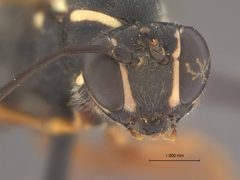
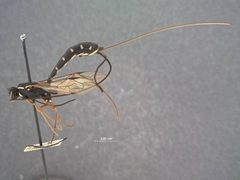
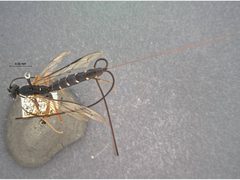
Pronunciation
How to pronounce Rhyssa ponderosae: /ˈrɪsə pɒndəˈroʊsiː/
These audio files are automatically generated. While they are not always 100% accurate, they are a good starting point.
Identification
Rhyssa are among the largest ichneumonid wasps, with females possessing extremely elongated ovipositors that can exceed body length. Rhyssa ponderosae can be distinguished from the more commonly encountered Rhyssa persuasoria by subtle morphological differences in thoracic and coloration patterns, though precise diagnostic features require examination of type material. Identification to species level typically requires detailed examination of wing venation, structure, and abdominal tergite patterns.
Images
Habitat
Inferred from -level and epithet: associated with coniferous forests, particularly those containing ponderosa pine (Pinus ponderosa). The species likely inhabits mature forest stands where wood-boring are present in dead or dying timber.
Distribution
Documented distribution is sparse. The has been recorded in North America, with specimens known from western regions where ponderosa pine occurs. Specific locality records are limited and require verification from museum collections.
Host Associations
- Coleoptera larvae - Ectoparasitoid of wood-boring larvae, inferred from -level
- Pinus ponderosa - Inferred from epithet; actual tree association requires confirmation
Behavior
Females use their elongated ovipositors to drill through wood to reach larvae boring in tree trunks and branches, inferred from well-documented -level . This wood-drilling behavior is characteristic of the Rhyssinae.
Ecological Role
Similar Taxa
- Rhyssa persuasoriaSimilar large size, elongated ovipositor, and overall appearance; distinguished by subtle differences in coloration and thoracic
- Megarhyssa speciesAlso large rhyssine with very long ovipositors; Megarhyssa typically have more striking color patterns and different wing venation
- Podoschistus vittifronsSimilar of climbing tree trunks and parasitizing wood-boring beetles, but Podoschistus is smaller, in Poemeniinae, and has different abdominal coloration with distinct pale bands
More Details
Taxonomic History
Described by Townes in 1960, with limited subsequent taxonomic study. The remains poorly known compared to the more widespread Rhyssa persuasoria.
Research Needs
Critical knowledge gaps include verified records, precise geographic distribution, and diagnostic morphological features distinguishing this from . Fresh material and would significantly advance understanding of this species.