Brachyponera chinensis
(Emery, 1895)
Asian needle ant
Brachyponera chinensis, the Asian needle , is a ponerine ant native to Japan and mainland Asia that has established in the eastern United States since the 1930s. The exhibits unique pre-adapted traits for invasion success, including to inbreeding through sib-mating that maintains genetic diversity despite founder effects. It is a that competes aggressively with native ant species, causing significant biodiversity reductions in invaded areas. The ant poses medical risks to humans through venomous stings that can induce anaphylaxis.
Pronunciation
How to pronounce Brachyponera chinensis: /brækˈaɪpəˌnɪərə kəˈnɛnsɪs/
These audio files are automatically generated. While they are not always 100% accurate, they are a good starting point.
Identification
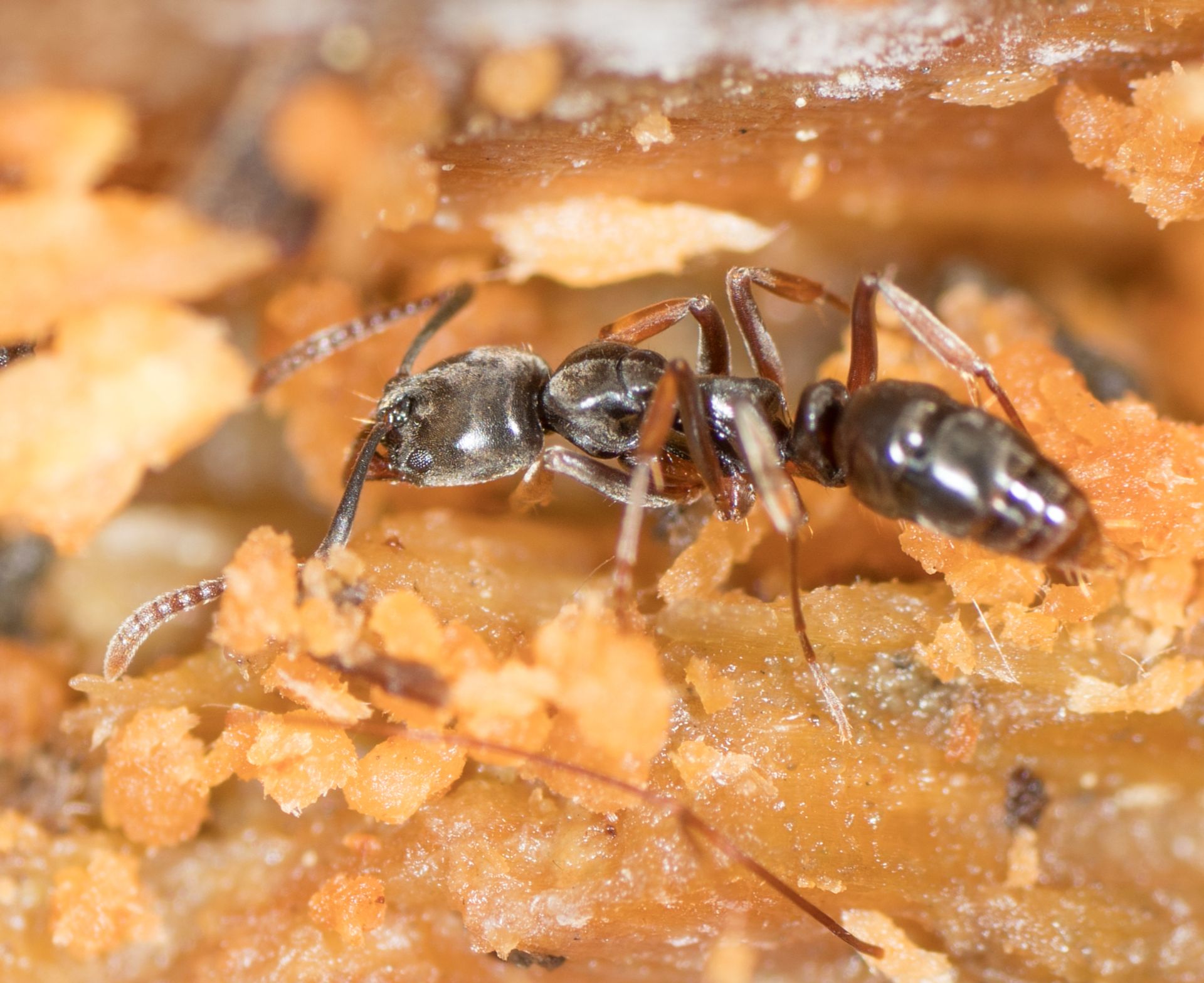
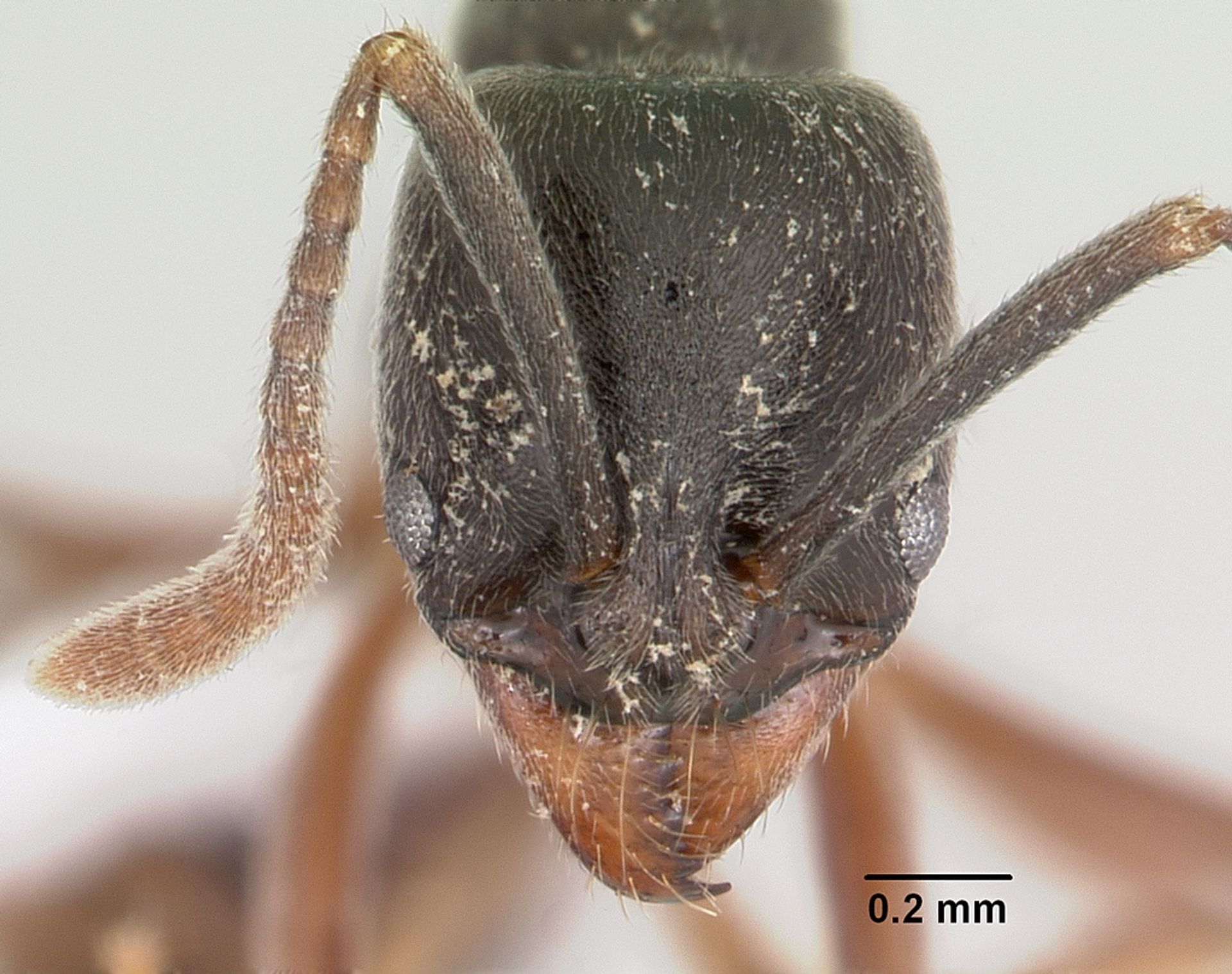
Small to medium-sized ponerine ant with a distinctive stinger; lack reproductive organs. Morphologically similar to Brachyponera luteipes, Brachyponera nigrita, and Brachyponera obscurans, requiring careful examination for accurate identification. Previously classified under Pachycondyla until 2014, so older literature uses that name.
Images
Habitat
Moist and shaded environments; in native range commonly found in agricultural land such as rice-paddy dykes. In invaded areas, nests primarily beneath or near hardwood trees in natural forests, under stones, logs, or debris. Also inhabits urban areas including backyards and sidewalks. Utilizes both natural cavities and artificial substrates for nesting.
Distribution
Native to Japan, China, North and South Korea, Taiwan, Thailand, Vietnam, and Nepal. Introduced to the United States, established throughout the American South and along the East Coast from Florida to Massachusetts, westward to Kentucky, Tennessee, and Arkansas. Outlier confirmed in Washington, Wisconsin, and Rhode Island. Also detected in Germany (2025).
Diet
; preys on subterranean termites as a primary nutritional resource.
Life Cycle
Colonies exhibit overlapping with division of labor. Queens possess a sperm storage pouch allowing single mating event followed by continuous throughout lifespan. are sterile and lack reproductive organs.
Behavior
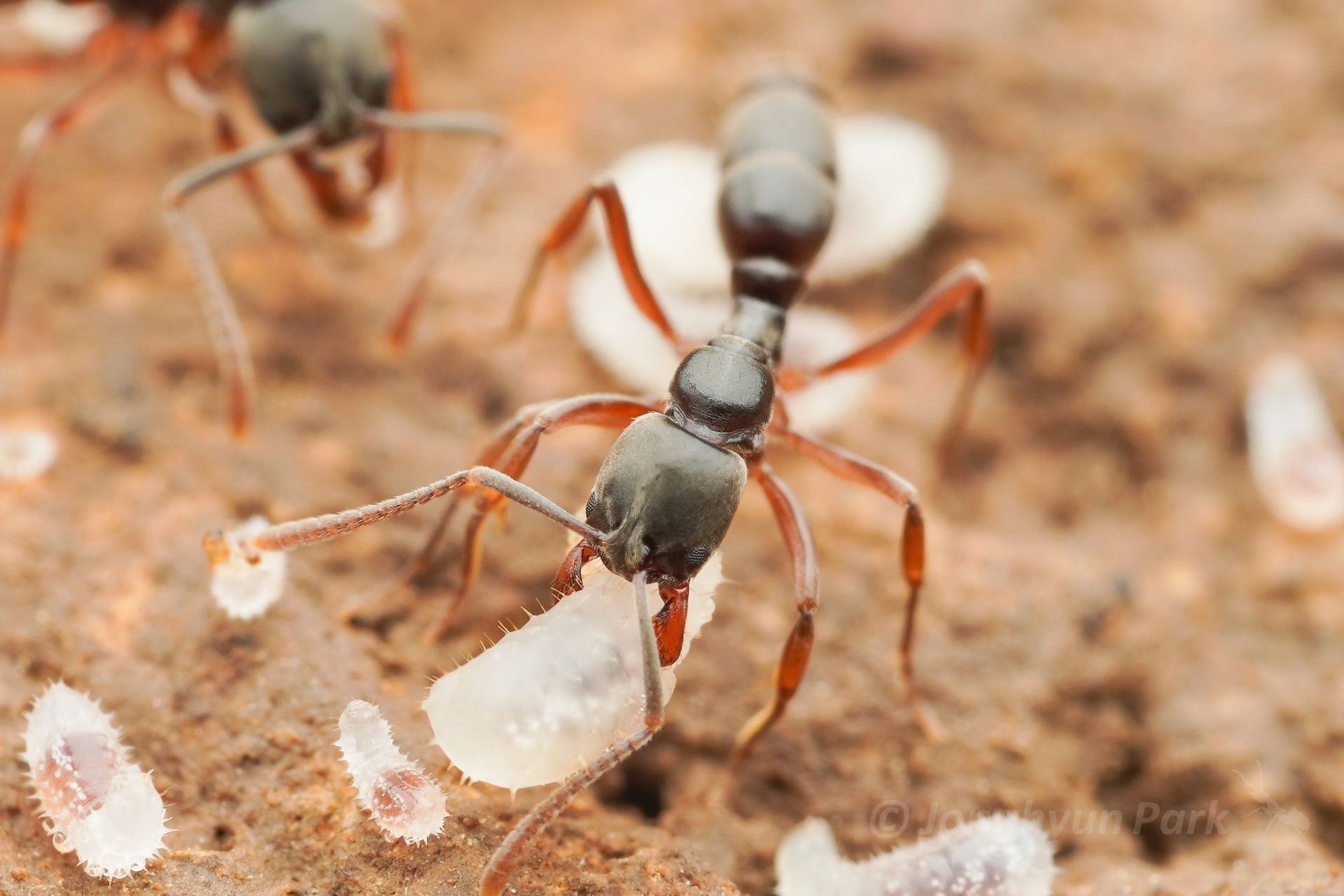
Exhibits eusociality with division of labor: queens reproduce while forage. During nest , colonies organize into three functional groups—-tending, -tending, and scouting—followed by transport where workers carry nestmates to new locations. Unlike many , does not rely on trails for tandem carrying; likely uses visual cues instead. Shows frequent and rapid nest relocation triggered by disturbance, flooding, or resource depletion. Workers demonstrate site fidelity to new nest locations.
Ecological Role
specializing on ; significant negative impact on native biodiversity in invaded areas. In North Carolina, found to outnumber all native ant in most areas; correlated with 96% reduction in native ant species Aphaenogaster rudis in invaded areas. Disrupts native structure with cascading effects on processes.
Human Relevance
Medical risk: venomous sting can cause painful reactions and anaphylaxis in susceptible individuals, with potential for . Increasing urban presence raises likelihood of human encounters. Subject of control efforts using cuticular extract-augmented baits, which increase acceptance and provide rapid reduction (98% decline within 14 days in field trials). Listed as of Union concern by the European Union, prohibiting import, breeding, transport, commercialization, or intentional release in EU member states.
Similar Taxa
- Brachyponera luteipes with similar ; B. chinensis can be distinguished by differences in reaction toward other social insects and hunting specialization
- Brachyponera nigrita with similar requiring careful examination for separation
- Brachyponera obscurans with similar ; misidentification common and can delay proper medical treatment for stings
- Linepithema humile competitor in United States; B. chinensis has been observed competing directly for territory, particularly in the American South
Sources and further reading
- BugGuide
- Wikipedia
- GBIF taxonomy match
- iNaturalist taxon
- NCBI Taxonomy
- Catalogue of Life
- Rookies use Cookies in Science Alliance to Track Ants' Advance
- What Puts the Blister Into Blister Beetles?
- Next Time You Eat a Kiwifruit, Don't Thank a Bee
- Big, Bold and Beautiful—Redux | Beetles In The Bush
- Trichinorhipis knulli | Beetles In The Bush
- A Fast, Frassy Way to Detect the Asian Longhorned Beetle
- Nest Emigration Behavior of the Asian Needle Ant, Brachyponera (=Pachycondyla) chinensis Emery (Hymenoptera: Formicidae)
- Termite cuticular extracts improve acceptance of bait for controlling invasive Asian needle ants, Brachyponera chinensis
- Inbreeding tolerance as a pre‐adapted trait for invasion success in the invasive ant Brachyponera chinensis
- Survey of ants (Hymenoptera, Formicidae) in the city of Providence (Rhode Island, United States) and a new northern-most record for Brachyponera chinensis (Emery, 1895)
- Reactions Of Brachyponera Luteipes to Contacts with Different Social Insects