
Dryocosmus
Giraud, 1859
Species Guides
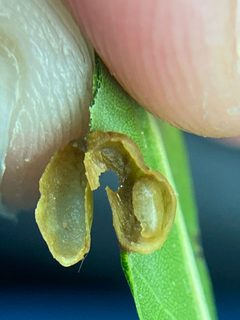
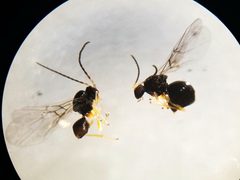
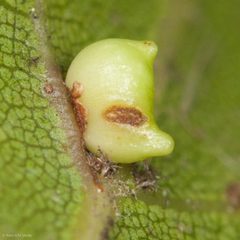
11Dryocosmus is a of gall wasps in the Cynipidae, characterized by cyclical and the induction of galls on Fagaceae plants. The genus was established by Giraud in 1859 and has undergone recent taxonomic revision, with some transferred from the related genus Chilaspis. The genus includes approximately 40 described species distributed across multiple continents, with notable economic and ecological significance due to such as Dryocosmus kuriphilus.
Pronunciation
How to pronounce Dryocosmus: //ˌdraɪ.oʊˈkɒz.məs//
These audio files are automatically generated. While they are not always 100% accurate, they are a good starting point.
Identification
Dryocosmus are distinguished from related oak gall wasp (Aphelonyx, Plagiotrochus, Pseudoneuroterus, Trichagalma, and some Neuroterus species) by morphological features and gall characteristics. Species-level identification requires examination of , particularly details of the , mesosoma, and metasoma, as well as the structure and location of the induced galls on plants. The genus is closely related to Chilaspis, with which it has historically shared species.
Images
Habitat
in this are associated with woody plants in the Fagaceae, primarily oaks (Quercus) and chestnuts (Castanea). include temperate and subtropical forests, woodlands, and urban areas where trees occur. Specific microhabitat preferences vary by species and relate to the particular host plant tissues utilized for gall induction.
Distribution
The has a broad distribution spanning Asia, Europe, North America, and parts of the Middle East. Individual ranges vary considerably: Dryocosmus kuriphilus is native to Asia and has been introduced to Europe and North America; other species such as Dryocosmus okajimai occur in the Indochina region (Vietnam); D. caspiensis is known from the Caspian region; and multiple species are described from Taiwan and mainland China.
Seasonality
Activity patterns follow the typical cynipid with distinct sexual and agamic . The timing of and gall development is synchronized with plant , particularly bud break and leaf expansion in spring. Specific seasonality varies by and geographic location.
Host Associations
- Fagaceae - gall inductionAll induce galls on plants in this , including oaks (Quercus) and chestnuts (Castanea)
Life Cycle
Dryocosmus exhibit cyclical , alternating between sexual and parthenogenetic (agamic) . The sexual generation typically produces males and females that mate, with females then laying that develop into the agamic generation. Agamic females reproduce parthenogenetically, producing only female offspring. Each generation induces distinct gall morphologies on different plant tissues.
Behavior
females use their ovipositor to insert into plant tissues, triggering gall formation. The developing larvae reside within plant-induced structures that provide nutrition and protection. Gall location and structure are -specific and consistent within .
Ecological Role
As gall inducers, these act as engineers, modifying plant tissue and creating microhabitats that may be utilized by other organisms (, , hyperparasitoids). They contribute to local biodiversity through complex interactions centered on their galls.
Human Relevance
Dryocosmus kuriphilus, the chestnut gall wasp, is a significant pest that threatens chestnut (Castanea) and native in Europe and North America. The causes substantial damage to chestnut trees through gall formation, reducing nut production and tree vigor. Other species have minimal direct economic impact.
Similar Taxa
- ChilaspisHistorically contained now placed in Dryocosmus; closely related and morphologically similar, requiring careful examination for separation
- AndricusAnother large of oak gall wasps with similar and associations; distinguished by gall and structural features
- FeronRelated cynipine ; some Dryocosmus (e.g., D. gigas) have uncertain placement between these genera
More Details
Taxonomic instability
The has experienced recent taxonomic revision. Dryocosmus favus has been excluded from the genus, and some previously assigned to Chilaspis have been transferred to Dryocosmus. The placement of D. gigas remains uncertain, with possible assignment to Andricus or Feron.
Research activity
Numerous have been described since 2006, particularly from Taiwan and mainland China, indicating active taxonomic work and likely incomplete species inventory for the .