
Callirhytis carmelensis
Weld, 1922
Mottled Acorn Gall Wasp
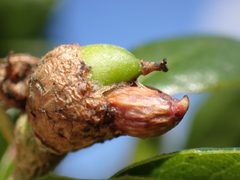
A cynipid gall wasp to California that induces distinctive galls on acorns of coast live oak (Quercus agrifolia) and interior live oak (Quercus wislizeni). The galls form at the acorn attachment point, often preventing normal nut development. The produces a honeydew secretion that attracts other insects. Despite being described in 1922, it remains uncommon and poorly studied relative to other California oak gall wasps.
Pronunciation
How to pronounce Callirhytis carmelensis: /ˌkæləˈraɪtɪs ˌkɑːrˈmɛlɛnsɪs/
These audio files are automatically generated. While they are not always 100% accurate, they are a good starting point.
Identification
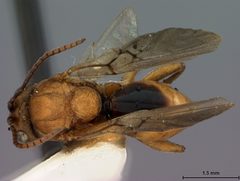
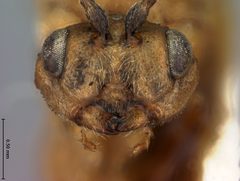
Galls are diagnostic: purple or spotted green, forming directly on acorns at the cupule attachment point. Galls are relatively soft and fleshy when young, becoming more woody with age. The mottled coloration (purple with green spots or irregular green with purple markings) distinguishes it from other California acorn galls. are small hymenopterans typical of the Callirhytis, but specific morphological characters separating C. carmelensis from require examination.
Images
Habitat
Restricted to oak woodlands and savannas in California where oaks (coast live oak and interior live oak) occur. Found in both coastal and interior regions of the state, from sea level to moderate elevations where host trees are present.
Distribution
to California, North America. Documented from coastal regions (associated with Quercus agrifolia) and interior valleys and foothills (associated with Quercus wislizeni).
Host Associations
- Quercus agrifolia - gall inductioncoast live oak; primary
- Quercus wislizeni - gall inductioninterior live oak; primary
Behavior
Induces galls on developing acorns, with the gall tissue replacing or enveloping the nut. The gall produces honeydew, an unusual trait among cynipid galls that attracts ants, , and other insects.
Ecological Role
Acts as a gall inducer that manipulates oak reproductive tissue, reducing acorn production. The honeydew secretion creates a microhabitat for other insects, potentially facilitating indirect interactions with ants and .
Human Relevance
Of minor economic concern due to acorn reduction; may affect oak in localized areas. Occasionally noted by naturalists and gall enthusiasts. Generally considered too uncommon to warrant management intervention.
Similar Taxa
- Callirhytis quercuspunctataAlso forms galls on California oaks, but produces woody 'gouty' twig galls rather than acorn galls; galls are structurally distinct and on different plant parts.
- Andricus spp.Many Andricus form acorn galls in California, but C. carmelensis is distinguished by its purple-spotted coloration and specific association with live oaks rather than deciduous oaks.
- Disholcaspis spp.Other cynipids form acorn galls in the region, but typically produce different gall morphologies (e.g., spiny, disc-shaped, or irregularly lobed) and on different Quercus .