
Andricus quercusfoliatus
(Ashmead, 1881)
leafy oak gall wasp
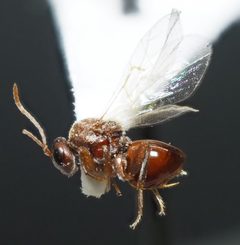
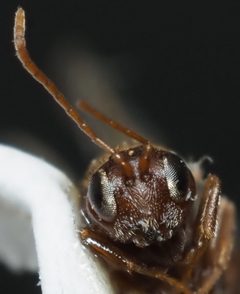
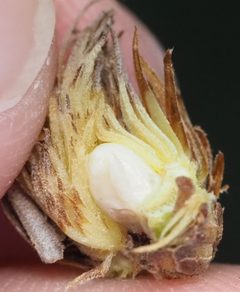
Andricus quercusfoliatus, commonly known as the leafy oak gall wasp, is a of cynipid gall wasp that induces distinctive galls on oak leaves. Like other members of the Cynipidae, this manipulates plant tissue development through chemical secretions, causing the oak to form a specialized structure that provides shelter and nutrition for the developing larva. The species is part of the highly diverse Andricus , which contains numerous oak-associated gall wasps, each typically specialized to specific host species or oak groups. The 'leafy' refers to the gall's location on leaves rather than twigs or other plant parts.
Pronunciation
How to pronounce Andricus quercusfoliatus: //ˈændrɪkəs ˌkwɜrkəsˌfoʊliˈeɪtəs//
These audio files are automatically generated. While they are not always 100% accurate, they are a good starting point.
Identification
Andricus quercusfoliatus can be distinguished from other cynipid gall wasps by the specific and location of its galls on oak leaves. The name 'quercusfoliatus' (oak-leaved) indicates leaf-based gall formation, differentiating it from twig-galling relatives such as Disholcaspis species. Positive identification typically requires examination of gall characteristics combined with oak species identification, as many Andricus species are host-specific. The is minute and difficult to identify without specialized examination; gall morphology and host association are the primary field identification tools.
Images
Habitat
Found in supporting oak (Quercus), including deciduous forests, woodlands, and urban areas with oak plantings. The 's presence is entirely dependent on suitable oak .
Distribution
Reported from North America based on GBIF and iNaturalist records. Specific range details beyond continental occurrence are not well-documented in available sources.
Host Associations
- Quercus - gall Oak ; specific associations not documented in available sources
Behavior
The female uses her ovipositor to inject into developing oak leaf tissue. Larval development occurs within the gall, which the wasp induces through chemical secretions that manipulate plant growth . The larva feeds on specialized gall tissue rather than directly consuming leaf material. occurs through chewing an exit hole in the gall wall.
Ecological Role
As a gall inducer, the creates microhabitats that may be utilized by other organisms. Galls can provide food and shelter for (organisms that inhabit galls without inducing them) and . The contributes to the complex of organisms associated with oak .
Human Relevance
The galls are primarily of ecological and scientific interest rather than economic importance. They do not cause significant harm to healthy oak trees and require no management intervention. The may be encountered by naturalists, entomologists, and botanists studying plant-insect interactions or gall biodiversity.
Similar Taxa
- Andricus pattoniAnother leaf-galling Andricus on oaks; distinguished by specific gall and associations
- Andricus dimorphusLeaf-galling cynipid on chinquapin oak; forms clustered midrib galls with distinct
- Disholcaspis quercusglobulusForms round bullet galls on oak twigs rather than leaves, representing different gall location and structure
More Details
Gall formation mechanism
The precise mechanism by which cynipid induce gall formation remains incompletely understood. Evidence suggests that wasp secretions influence plant , altering to redirect normal plant development into gall tissue formation.
Sources and further reading
- BugGuide
- Wikipedia
- GBIF taxonomy match
- iNaturalist taxon
- NCBI Taxonomy
- Gall darn it! Gall insects on hickory, oak, and elm, Phylloxera caryaecaulis, Andricus palustris, Colopha ulmicola — Bug of the Week
- Cynipidae | Beetles In The Bush
- The Insects Behind the Weird Growths on Plants
- Ted C. MacRae | Beetles In The Bush | Page 8