
Antistrophus pisum
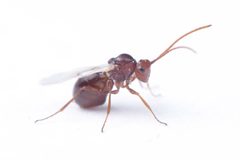
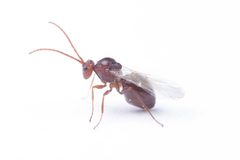
Antistrophus pisum is a of gall wasp in the Cynipidae. It is a synonym of Antistrophus lygodesmiaepisum, a monophagous cynipid that induces pea-like stem galls on the rush skeletonplant (Lygodesmia juncea). The species occurs in the Loess Hills region of western Iowa and extreme northwestern Missouri, where its plant persists as a hypsithermal relict in hilltop prairie remnants. The galls are solid, succulent structures that exude latex-like sap when damaged.

Pronunciation
How to pronounce Antistrophus pisum: //ænˈtɪstrəfəs ˈpaɪsəm//
These audio files are automatically generated. While they are not always 100% accurate, they are a good starting point.
Images
Habitat
Loess hilltop prairie remnants on steep, dry, south- and west-facing slopes of the Loess Hills landform. Associated exclusively with its plant Lygodesmia juncea in these grassland relicts.
Distribution
Western Iowa and extreme northwestern Missouri, USA. Restricted to the Loess Hills landform where the plant occurs.
Host Associations
- Lygodesmia juncea - gall-inducing Monophagous association; induces pea-like stem galls. plant is a hypsithermal relict in the Loess Hills.
Life Cycle
Larvae develop within solid, succulent stem galls on the plant. The galls exude latex-like sap when cut open.
Ecological Role
As a monophagous gall inducer, this contributes to the unique of plants and animals associated with loess hilltop prairie remnants. The galls may provide microhabitats for other organisms, though specific or are not documented in the available sources.
Human Relevance
The has been proposed as deserving conservation consideration equal to its plant and other restricted species in the critically imperiled loess hilltop prairie . In Missouri, only about 50 acres of this remain, with half in conservation ownership.
Similar Taxa
- Antistrophus silphiiSame , also induces stem galls but on Silphium integrifolium (wholeleaf rosinweed) rather than Lygodesmia juncea. Distinguished by plant association and geographic distribution.
- Antistrophus lygodesmiaepisumJunior synonym; the same under a different name. A. pisum was introduced as a synonym by Ashmead in the late 19th century shortly after the original description.
Misconceptions
The has been variously misspelled as 'Anistrophus' (without the first 't') or 'pisum' alone, and confused with A. lygodesmiaepisum due to synonymy issues. Some sources have erroneously referred to the plant as 'skeletonweed' (Chondrilla juncea) rather than the correct rush skeletonplant (Lygodesmia juncea), which are different species.