
Antistrophus laciniatus
Gillette, 1891
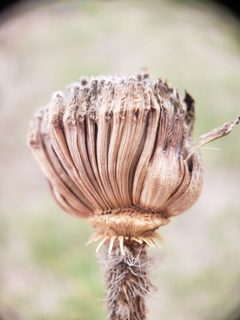
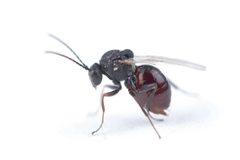
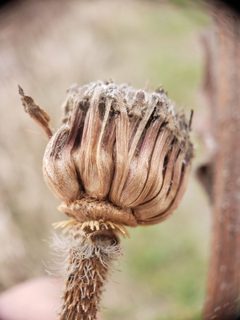
Antistrophus laciniatus is a gall wasp in the Cynipidae that induces stem galls on Silphium integrifolium (wholeleaf rosinweed), a prairie plant in the Asteraceae. The was described by Gillette in 1891 and is one of several Antistrophus species associated with Silphium . New host plant and distribution records have been documented in recent years.
Pronunciation
How to pronounce Antistrophus laciniatus: //ænˈtɪstrəfəs ləˌsɪniˈeɪtəs//
These audio files are automatically generated. While they are not always 100% accurate, they are a good starting point.
Identification
Distinguished from by its association with Silphium integrifolium as the plant; galls appear on stems of this host. Separated from A. lygodesmiaepisum (which forms pea-like galls on Lygodesmia juncea) by host plant and gall . Distinguished from A. silphii by specific host and gall characteristics, though detailed morphological differences between these require examination.
Images
Habitat
Associated with prairie where the plant Silphium integrifolium occurs. The host plant is characteristic of tallgrass prairie and prairie remnant .
Distribution
Distribution records have been expanded through recent documentation; occurs in regions where Silphium integrifolium is present, including parts of the central United States. Specific range boundaries are incompletely documented.
Host Associations
- Silphium integrifolium Michx. - gall induction on stemsPrimary plant; new host records documented in recent literature
Behavior
Induces gall formation on stems of the plant. The larva develops within the gall tissue.
Ecological Role
As a gall-former, modifies plant tissue to create a protected microhabitat for larval development. Contributes to the diversity of plant-insect interactions in prairie .
Human Relevance
Of potential conservation interest due to association with prairie and specific plants that have experienced loss. The host plant Silphium integrifolium and its associated gall wasps may serve as indicators of prairie ecosystem integrity.
Similar Taxa
- Antistrophus lygodesmiaepisumAlso in Antistrophus but associated exclusively with Lygodesmia juncea (rush skeletonplant), forming distinctive pea-like galls; plant and gall differ
- Antistrophus silphiiAlso gall-former on Silphium ; requires examination to distinguish, with differences in association and gall characteristics
Sources and further reading
- BugGuide
- iNaturalist taxon
- NCBI Taxonomy
- Rush skeletonplant pea gall wasp | Beetles In The Bush
- ID Challenge #3 | Beetles In The Bush
- New Host Plant and Distribution Records for Antistrophus laciniatus Gillette, 1891 (Hymenoptera: Cynipidae), an Herb Gall Wasp on Silphium integrifolium Michx. (Asteraceae), with Notes on Other S. integrifolium-Associated Wasps