Tachinaephagus
Ashmead, 1904
Species Guides
1A of gregarious larval–pupal in the Encyrtidae. in this genus, particularly T. zealandicus, are known to attack Diptera including muscoid flies and calliphorid carrion flies. They have been studied for applications and due to their predictable development on decomposing remains.
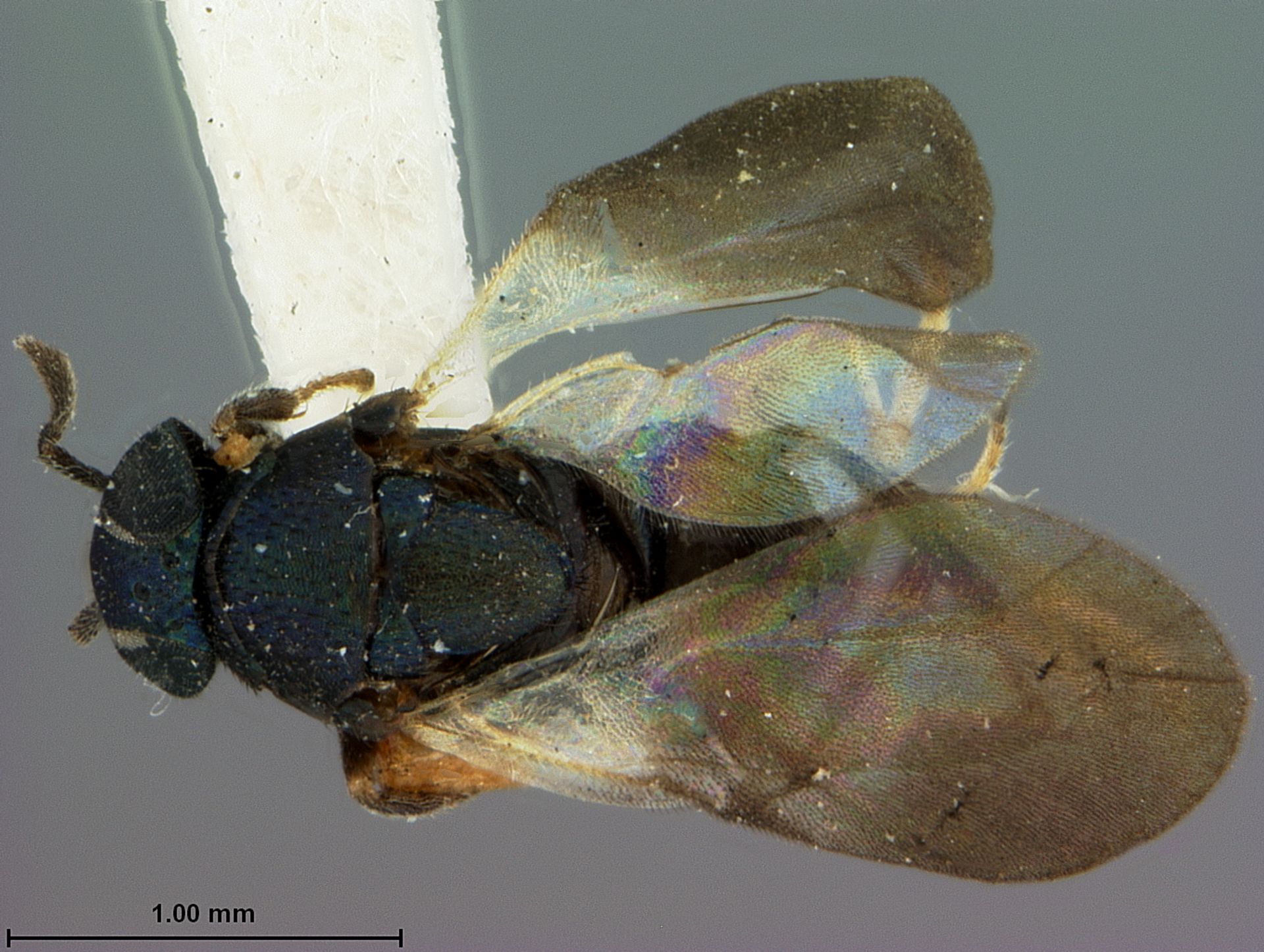
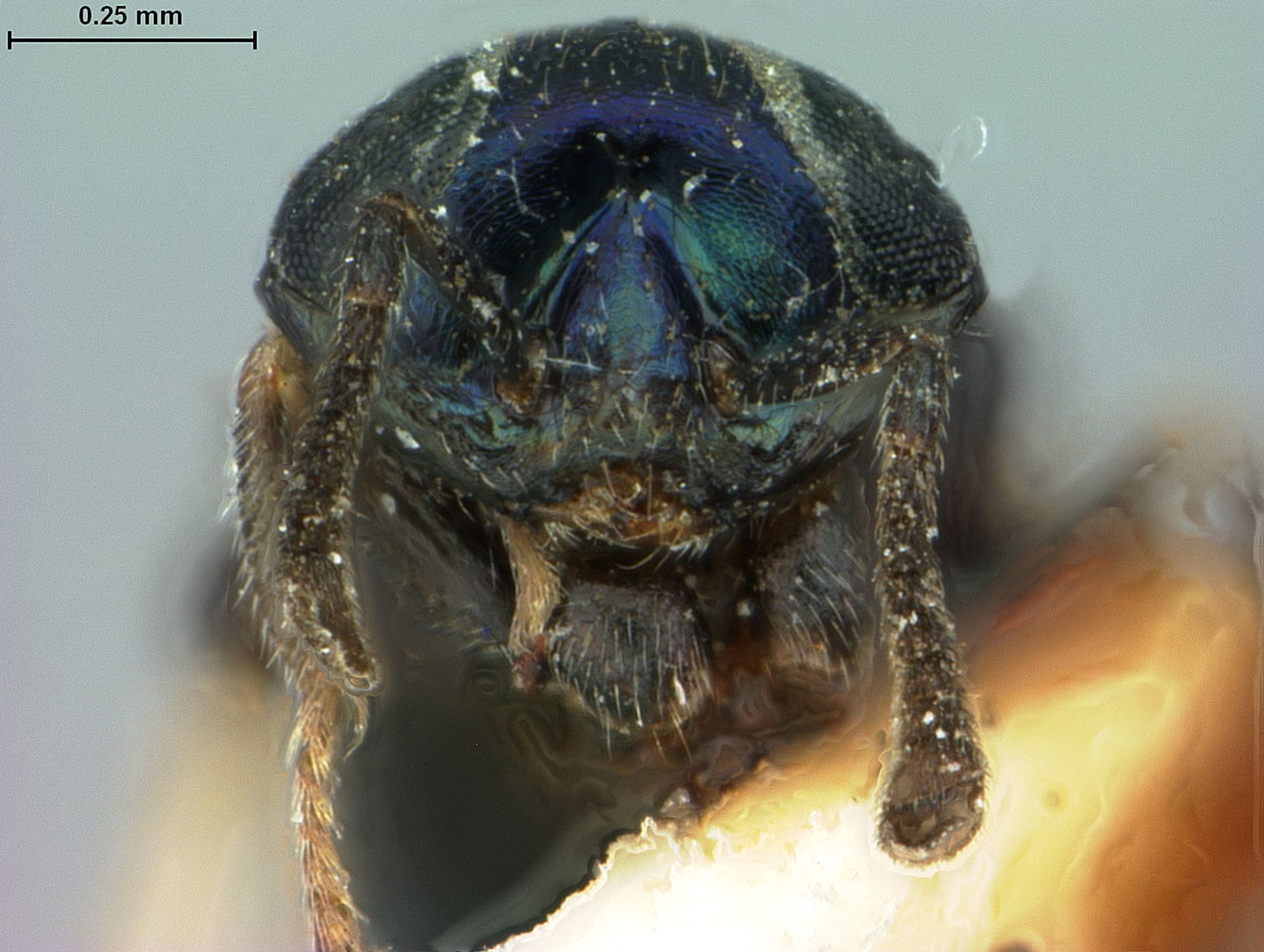
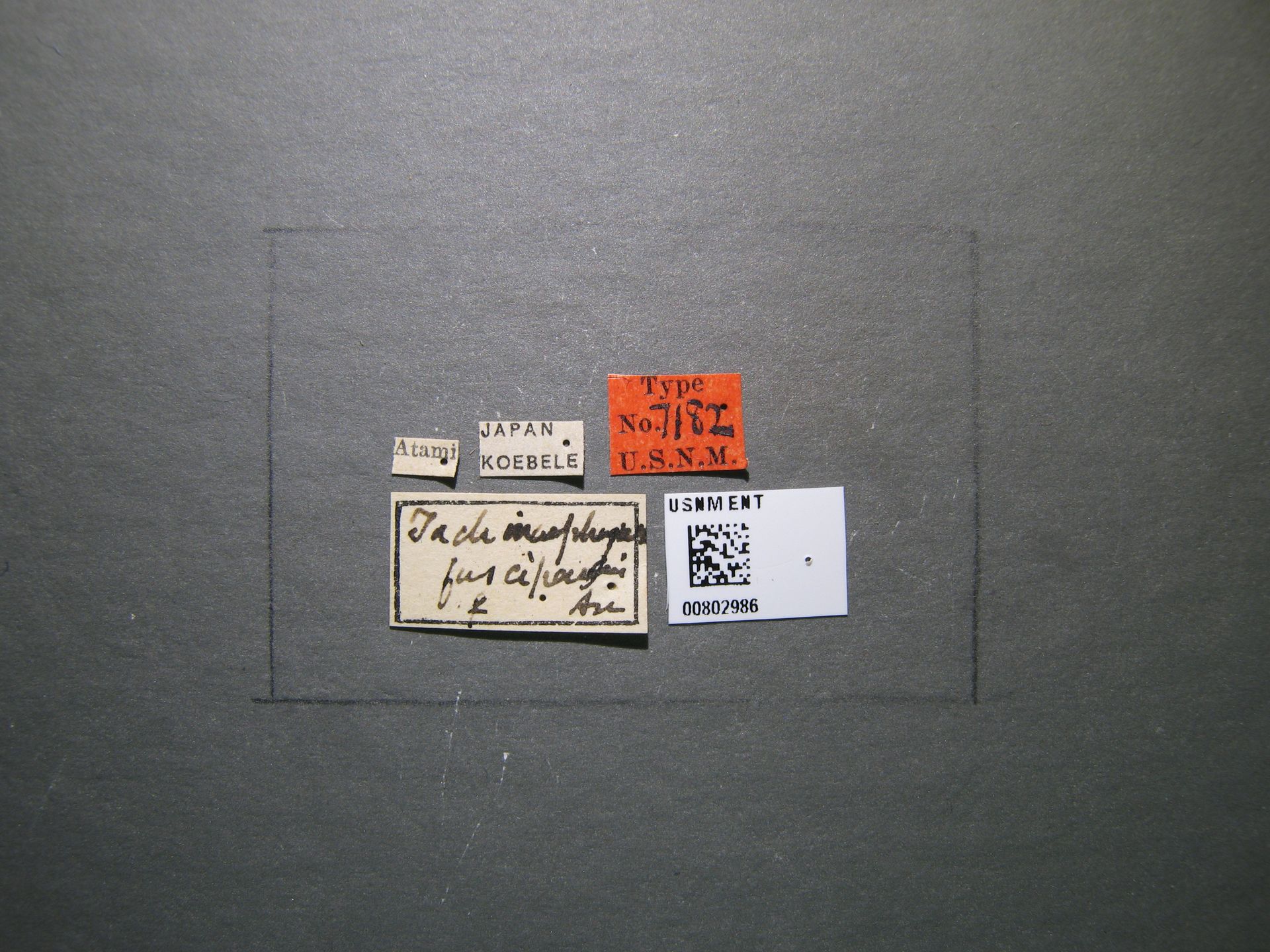
Pronunciation
How to pronounce Tachinaephagus: /tɑːˈkɪn.eɪˌfæɡəs/
These audio files are automatically generated. While they are not always 100% accurate, they are a good starting point.
Images
Habitat
environments associated with human habitation and decomposing organic matter, including carrion and burnt remains.
Distribution
Recorded from Hawaii, Australia, Congo, the United States, Denmark, and Britain.
Host Associations
- Musca domestica - larval–pupal laboratory
- Calliphora albifrontalis - larval–pupal forensically important carrion fly
- Calliphora dubia - larval–pupal forensically important carrion fly
- Lucilia sericata - larval–pupal forensically important carrion fly
- Chrysomya rufifacies - larval–pupal forensically important carrion fly
- Chrysomya megacephala - larval–pupal forensically important carrion fly
- synanthropic Diptera - larval–pupal general group
Life Cycle
For T. zealandicus: 23–27 days at 25°C under laboratory conditions; development accelerates with higher densities per ; single hosts produce 3–18 parasitoids; upper developmental threshold approximately 29.9–31.7°C, lower threshold approximately 9.7–10.1°C, optimum temperature 25.8–27.1°C.
Behavior
Females demonstrate innate response to - odours, particularly liver substrates following host contact; attraction depends on stage of meat decay. displays circadian rhythmicity independent of over 3+ days. In trials, females show heightened investigation response when presented with two odour options, moving across all regions of the apparatus.
Ecological Role
of Diptera; potential agent for muscoid fly .
Human Relevance
Significant for : presence on decomposing remains can be used to estimate time since death. Studied for of muscoid flies in environments.
Similar Taxa
- Muscidifurax raptorellusAlso a gregarious of muscoid flies; distinguished by -level placement (Pteromalidae vs. Encyrtidae) and morphological characters of the and wing venation.
- Trichopria nigraAnother gregarious muscoid fly ; belongs to Diapriidae and differs in body form and antennal structure.
Sources and further reading
- BugGuide
- GBIF taxonomy match
- iNaturalist taxon
- NCBI Taxonomy
- Catalogue of Life
- Encyrtid Holdings | Entomology Research Museum
- BIOLOGY OFTACHINAEPHAGUS ZEALANDICUS(HYMENOPTERA: ENCYRTIDAE), PARASITOID OF SYNANTHROPIC DIPTERA
- Aspectos da Biologia de Tachinaephagus Zealandicus Ashmead (Hymenoptera:Encyrtidae), parasitoide de larvas de dipteros sinantropicos
- The status of the parasitoid wasp Tachinaephagus zealandicus Ashmead, 1904, (Chalcidoidea: Encyrtidae) in Britain
- Status of Tachinaephagus zealandicus (Hymenoptera: Encyrtidae), a Larval Parasitoid of Muscoid Flies, in the U.S. and Denmark
- Temperature‐dependent development of the parasitoid Tachinaephagus zealandicus on five forensically important carrion fly species
- Influence of Feeding Treatment, Host Density, Temperature, and Cool Storage on Attack Rates ofTachinaephagus zealandicus(Hymenoptera: Encyrtidae)
- Status of Tachinaephagus zealandicus (Hymenoptera: Encyrtidae), a larval parasitoid of muscoid flies, in the U.S. and Denmark
- First Record of the Larval EndoparasitoidTachinaephagus zealandicus(Hymenoptera: Encyrtidae) From Fly Hosts Developing on Burnt Remains and in Pennsylvania
- Host Ranges of Gregarious Muscoid Fly Parasitoids:Muscidifurax raptorellus(Hymenoptera: Pteromalidae),Tachinaephagus zealandicus(Hymenoptera: Encyrtidae), andTrichopria nigra(Hymenoptera: Diapriidae)
- Effects of <I>Nosema</I> Disease on Fitness of the Parasitoid <I>Tachinaephagus zealandicus</I> (Hymenoptera: Encyrtidae)
- Host location and behavioural response patterns of the parasitoid, Tachinaephagus zealandicus Ashmead (Hymenoptera: Encyrtidae), to host and host‐habitat odours