
Encyrtus
Latreille, 1809
Species Guides
3Encyrtus is a of in the Encyrtidae, containing approximately 96 described . These small chalcidoid wasps are specialized parasitoids of soft scale insects (Coccidae), playing important roles in regulating in both natural and urban . Several species have been studied for their potential use in of scale insect pests.


Pronunciation
How to pronounce Encyrtus: /ɛnˈkɜːrtəs/
These audio files are automatically generated. While they are not always 100% accurate, they are a good starting point.
Images
Distribution
of Encyrtus have been recorded from multiple continents including North America (California, Hawaii), Asia (India: Karnataka, Manipur), and other regions. The has a broad geographic distribution corresponding to the range of its insect .
Host Associations
- Parthenolecanium quercifex - oak lecanium scale; of Encyrtus fuscus
- Pulvinariella mesembryanthemi - of Encyrtus saliens
- Pulvinaria delottoi - of Encyrtus saliens; less suitable host than P. mesembryanthemi
- Lecanium kunoensis - of Encyrtus infidus
Ecological Role
Encyrtus function as primary of soft scale insects ( Coccidae), contributing to natural of these plant pests. By parasitizing , they help regulate and may prevent that could damage trees and shrubs. Their presence in urban landscapes has been shown to support broader natural enemy , including spiders, predatory hemipterans, and ants in vegetation beneath infested trees.
Human Relevance
Several Encyrtus have potential value as agents for insect pests in urban landscapes and agricultural systems. Encyrtus fuscus has been documented emerging from oak lecanium scale in urban willow oak trees. The exemplifies how maintaining moderate scale can conserve that provide services. applications targeting scales in trees may inadvertently reduce these beneficial parasitoids and lead to pest in nearby plants.
Similar Taxa
- MetaphycusBoth are Encyrtidae parasitizing Coccoidea, but Metaphycus typically have different antennal structures and may attack different
- CoccophagusAnother encyrtid with , but Coccophagus often show different wing venation patterns and host preferences
More Details
Cryptic species complex
The Encyrtus sasakii complex has been demonstrated to contain three cryptic (E. sasakii, E. eulecaniumiae, and E. rhodococcusiae) that are nearly indistinguishable morphologically but well-delimited by data. Ovipositor shape differences may have played a role in shifts and speciation within this complex.
Host suitability variation
Studies of Encyrtus saliens show that differ significantly in suitability for development. Pulvinariella mesembryanthemi supports larger, more fecund parasitoids than Pulvinaria delottoi, which grows less during parasitoid development and yields smaller, less fecund .
Sources and further reading
- BugGuide
- Wikipedia
- GBIF taxonomy match
- iNaturalist taxon
- NCBI Taxonomy
- Catalogue of Life
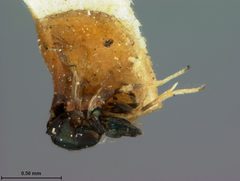
- encyrtus_cancinoi_trjapitzin_myartseva_holotype_female_ucrc_ent_72424_lateral.jpg | Entomology Research Museum
- Encyrtid Holdings | Entomology Research Museum
- Primary Type List | Entomology Research Museum
- Encyrtus fuscus - Entomology Today
- Why a Little Bit of This Tree Pest is a Good Thing in Urban Landscapes
- The Biology of Encyrtus Infidus Rossi, a Parasite of Lecanium Kunoensis Kuw. (Hymen.)
- Host/parasitoid interactions and relative suitabilities of two host species for the soft scale parasitoid Encyrtus saliens
- Integrative taxonomy based on morphometric and molecular data supports recognition of the three cryptic species within the Encyrtus sasakii complex (Hymenoptera, Encyrtidae)