Encyrtus fuscus
(Howard, 1881)
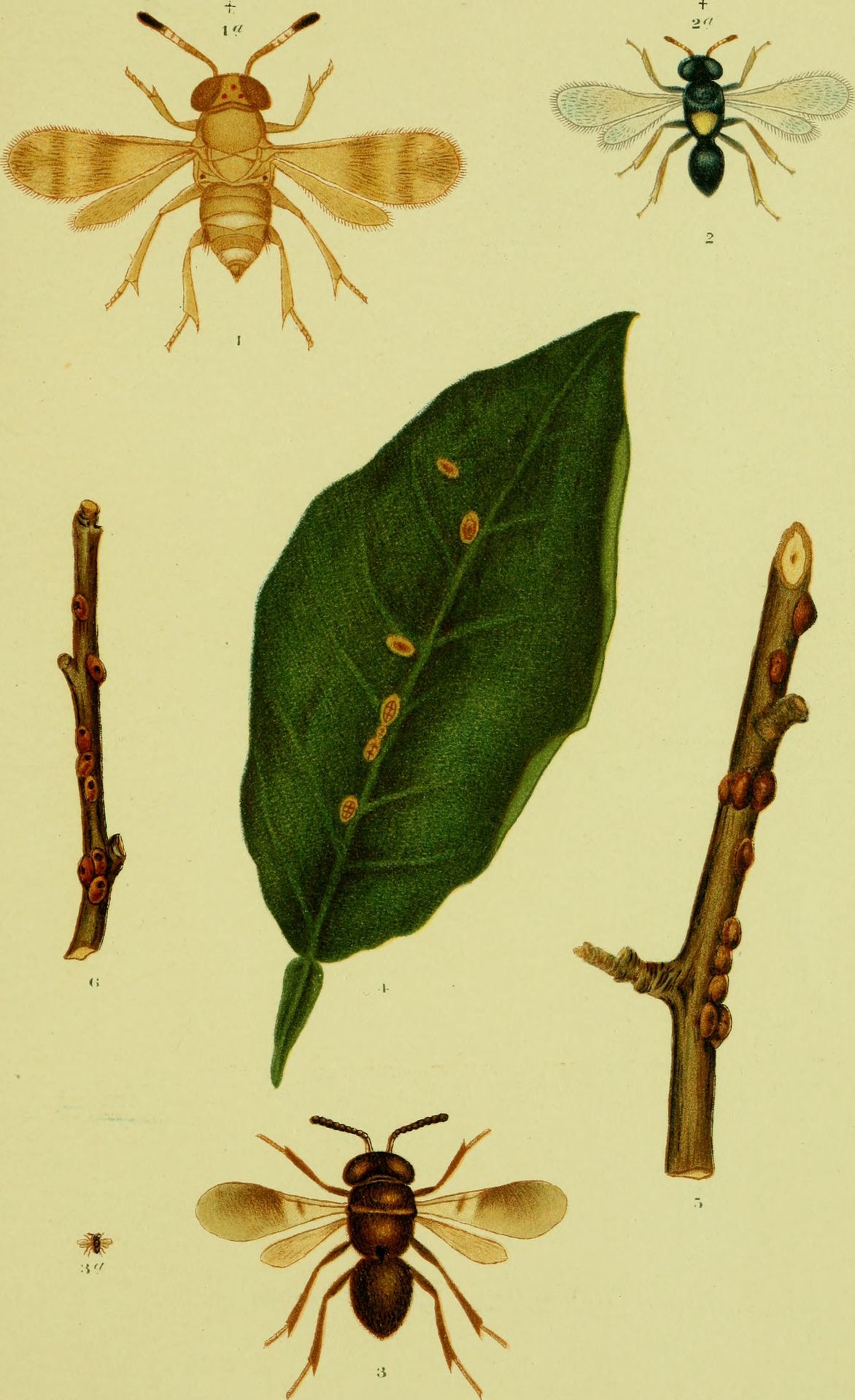
Encyrtus fuscus is a of in the Encyrtidae, first described by Howard in 1881. The species has been documented emerging from oak lecanium scale (Parthenolecanium quercifex) in urban environments, indicating its role as a agent of scale insects. It is recorded from multiple localities in North America including Wisconsin, British Columbia, and Nova Scotia. Like other encyrtid wasps, it is likely a small-bodied, short-lived insect with reduced wing venation typical of the family.
Pronunciation
How to pronounce Encyrtus fuscus: /ɛnˈsɪrtəs ˈfʌskəs/
These audio files are automatically generated. While they are not always 100% accurate, they are a good starting point.
Images
Distribution
Recorded from Wisconsin, USA; British Columbia, Canada; and Nova Scotia, Canada. Additional records may exist in the UCR Encyrtidae collection holdings.
Host Associations
- Parthenolecanium quercifex - Emerges from oak lecanium scale; documented in urban willow oak trees in North Carolina
Ecological Role
Serves as a natural enemy of scale insects in urban tree . Contributes to of oak lecanium scale , potentially preventing in urban landscapes.
Human Relevance
Provides services in urban landscapes by contributing to natural pest suppression of scale insects on ornamental trees. Management decisions affecting this , such as broad-spectrum applications, may have cascading effects on natural enemy in associated vegetation.
Similar Taxa
- Other Encyrtus speciesGeneric-level identification requires examination of antennal structure, wing venation, and other microscopic characters not documented in available sources for E. fuscus specifically
More Details
Collection holdings
Specimens of Encyrtus fuscus are present in the University of California, Riverside (UCR) Encyrtidae collection, one of the largest encyrtid collections globally, curated by S. Triapitsyn.
Research context
Documented in a 2023 study on insect in urban landscapes, demonstrating that scale-infested trees support higher densities of including E. fuscus compared to uninfested trees.
Sources and further reading
- BugGuide
- GBIF taxonomy match
- Encyrtid Holdings | Entomology Research Museum
- What a Micro Moth! | Bug Squad
- A Mural Like No Other | Bug Squad
- This Is NOT an Asian Giant Hornet | Bug Squad
- Sol Wantz Sheds Light on Jerusalem Crickets and Other Insects | Bug Squad
- Why a Little Bit of This Tree Pest is a Good Thing in Urban Landscapes