
Eucalyptolyma
Froggatt, 1901
Species Guides
1- Eucalyptolyma maideni(Spotted Gum Lerp Psyllid)
Eucalyptolyma is a of psyllids (jumping plant-lice) in the Aphalaridae, first described by Froggatt in 1901. in this genus are associated with Eucalyptus trees, their namesake plants. The genus contains multiple described species native to Australia. These insects are small, sap-feeding hemipterans with jumping hind legs characteristic of psyllids.
Pronunciation
How to pronounce Eucalyptolyma: /juːkəˌlɪptəˈlaɪmə/
These audio files are automatically generated. While they are not always 100% accurate, they are a good starting point.
Identification
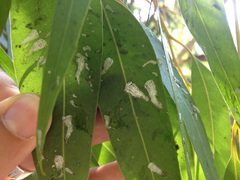
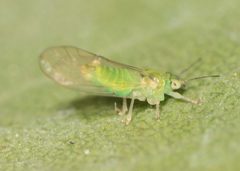
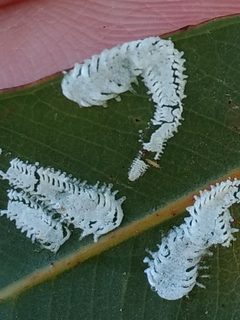
Eucalyptolyma can be distinguished from other Aphalaridae by their association with Eucalyptus and specific genitalic characters used in species-level identification. are small (2-4 mm), with membranous wings held roof-like over the body. Nymphs produce characteristic —protective coverings—on Eucalyptus leaves, which can aid in genus-level detection.
Images
Habitat
Found exclusively on Eucalyptus , in forests, woodlands, and plantations where these trees occur. Occupies the leaf surfaces of host plants, with nymphs feeding on phloem sap.
Distribution
Native to Australia; distribution corresponds to that of Eucalyptus across the continent.
Diet
Phloem sap of Eucalyptus ; nymphs and feed on plant vascular fluids.
Host Associations
- Eucalyptus - name reflects this association; all known feed on Eucalyptus
Life Cycle
Hemimetabolous development with , nymph, and stages. Nymphs produce —crystalline or filamentous protective coverings secreted from anal . Multiple per year likely, though specific timing varies by and climate.
Behavior
Nymphs are , remaining under their while feeding. are active jumpers, using their enlarged hind to escape . Both stages feed on phloem sap by piercing leaf vascular tissue with stylets.
Ecological Role
Herbivore on Australian tree ; serves as food source for and . production contributes to availability in . Some may reach pest status in plantations.
Human Relevance
Some are minor pests in Eucalyptus plantations, causing leaf damage and honeydew production. can be aesthetically noticeable on ornamental Eucalyptus. Used as bioindicators of Eucalyptus health and in studies of plant-insect .
Similar Taxa
- CtenarytainaAlso Aphalaridae psyllids on Myrtaceae; distinguished by different wing venation and genitalic
- PsyllaDifferent (Psyllidae); Eucalyptolyma has three-segmented and different antennal structure
More Details
Taxonomic history
Originally placed in Psyllidae, now classified in Aphalaridae based on morphological and molecular data. The name combines 'Eucalypt-' ( plant) with '-olyma' (Greek for cover/protection), referencing the coverings produced by nymphs.