
Aphalara persicaria
(Caldwell, 1937)
Aphalara persicaria is a of (jumping plant louse) in the Aphalaridae, first described by Caldwell in 1937. The species epithet "persicaria" suggests a possible association with plants in the Persicaria (knotweeds), though specific relationships remain undocumented. It belongs to a genus of small, sap-feeding insects that are poorly studied in North America. Records indicate presence in Cuba and Ohio, USA.
Pronunciation
How to pronounce Aphalara persicaria: //əˈfælərə pəˌsɪˈkɛəriə//
These audio files are automatically generated. While they are not always 100% accurate, they are a good starting point.
Identification
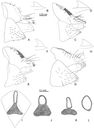
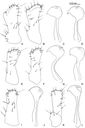
No diagnostic features have been published to distinguish Aphalara persicaria from . Members of Aphalara generally require examination of genitalia and wing venation for -level identification. The "persicaria" may hint at association, but this has not been verified as a reliable field character.
Images
Distribution
Recorded from Cuba and Ohio, USA. The disjunct distribution pattern suggests either limited sampling effort or potential misidentification in historical records.
Similar Taxa
More Details
Taxonomic note
The epithet "persicaria" implies association with Persicaria (Polygonaceae), but no published records confirm this. The original description by Caldwell (1937) should be consulted for type locality and any stated host information.
Data deficiency
Zero iNaturalist observations and sparse GBIF records (Cuba, Ohio only) indicate this is rarely encountered or underreported. No subsequent taxonomic revisions or biological studies have been traced.