
Macrosiphum willamettense
Jensen, 2000
Macrosiphum willamettense is an in the Aphididae, described by Jensen in 2000. As a member of the Macrosiphum, it belongs to a group of aphids commonly known as 'large aphids' or 'macrosiphum aphids,' many of which are significant agricultural pests. The specific epithet 'willamettense' refers to the Willamette region, likely indicating its type locality in the Willamette Valley of Oregon, USA. Like other Macrosiphum species, it possesses the characteristic long siphunculi (cornicles) that distinguish this genus from many other aphid genera.
Pronunciation
How to pronounce Macrosiphum willamettense: //ˌmæk.roʊˈsɪfəm ˌwɪ.ləˈmɛt.ɛn.seɪ//
These audio files are automatically generated. While they are not always 100% accurate, they are a good starting point.
Identification
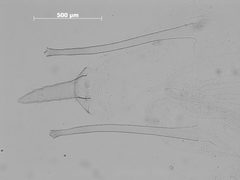
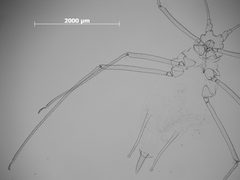
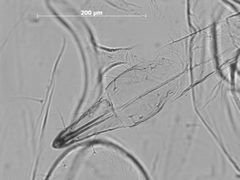
Macrosiphum willamettense can be distinguished from other Macrosiphum by features described in the original description by Jensen (2000). As with other members of the Macrosiphum, it likely possesses relatively long siphunculi compared to body length, a key diagnostic trait for the genus. Accurate identification to species level requires examination of morphological details such as antennal segment lengths, cauda shape, and body coloration patterns, which are documented in the original species description.
Images
Distribution
The epithet 'willamettense' indicates association with the Willamette region, most likely the Willamette Valley in Oregon, USA, which would represent its type locality. Beyond this initial description, comprehensive distribution records are not widely documented in available sources.
Similar Taxa
- Macrosiphum euphorbiaeClosely related congeneric in the same , commonly known as the potato aphid; both share the genus-level characteristics of long siphunculi and similar body plan, requiring careful morphological examination to distinguish
- Other Macrosiphum speciesNumerous share the diagnostic long siphunculi and general body form; -level identification depends on subtle morphological differences in antennal , siphunculus length relative to body, and cauda
More Details
Taxonomic Status
According to GBIF, Macrosiphum willamettense is listed as ACCEPTED, while Catalogue of Life lists it as a synonym. This discrepancy in taxonomic status indicates potential ongoing taxonomic evaluation or differing interpretations among databases.
Research Context
The Macrosiphum has been subject to cytogenetic research, particularly regarding inheritance. Studies on the related Macrosiphum euphorbiae have revealed non-Mendelian inheritance patterns of X in aphids, where X chromosomes with fewer ribosomal genes are preferentially lost during male determination. These findings may have implications for understanding genetic mechanisms in including M. willamettense.